
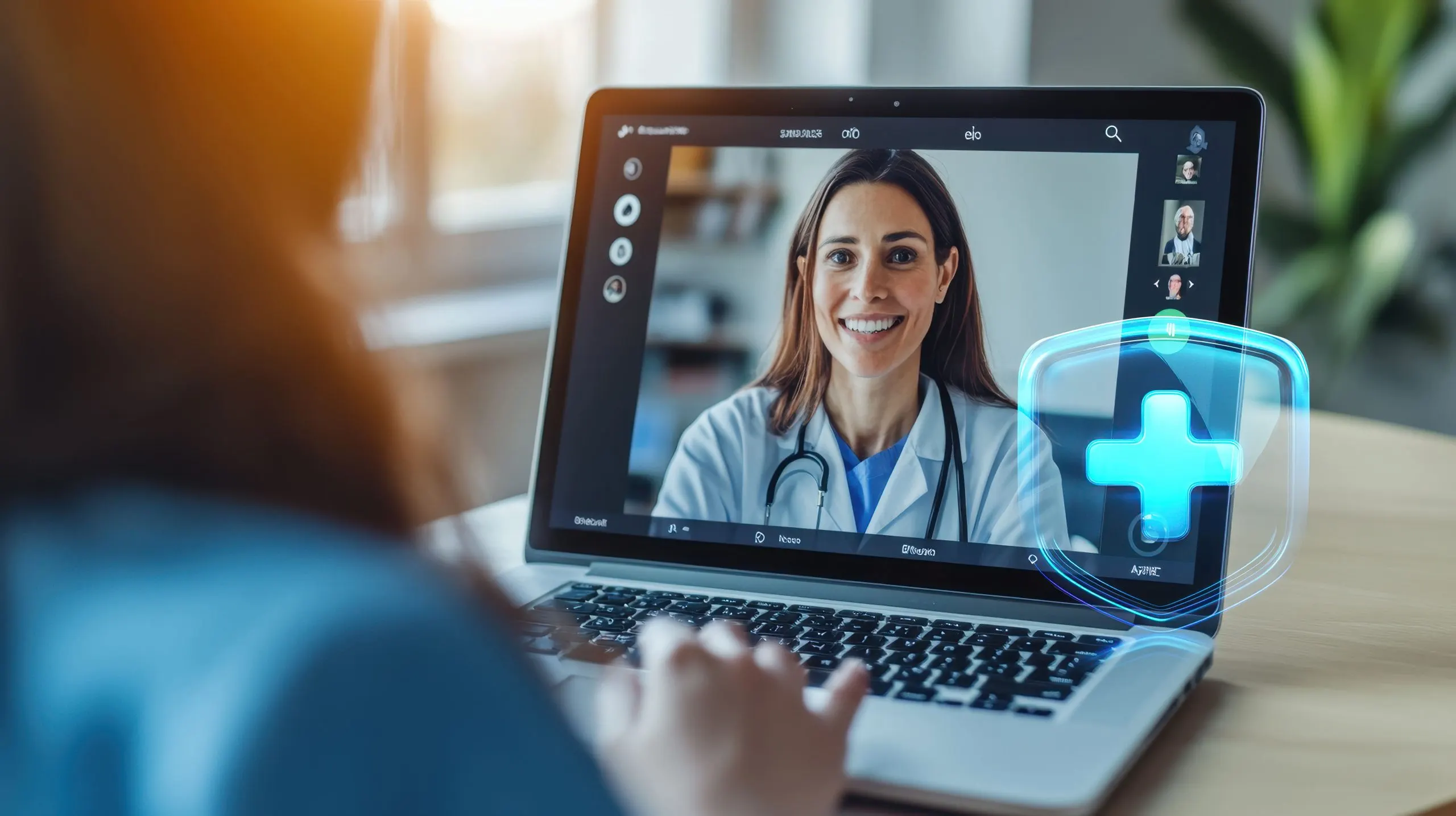
India’s telemedicine space has moved well beyond its early pandemic spike and is now settling into a more stable, long-term role within healthcare delivery. As of 2026, virtual consultations, remote diagnostics, and app-based care are no longer niche offerings. They are part of everyday healthcare decisions, especially in cities but increasingly in smaller towns as well. With internet access reaching deeper into the country and smartphones becoming more affordable, patients who once depended entirely on physical visits now have alternatives. The shift is not just about convenience. It reflects deeper gaps in infrastructure and doctor availability, which telemedicine helps bridge in a practical way.
What’s Driving the Telemedicine Market in India?
Improved Digital Access Across Regions
A few years ago, telemedicine was largely an urban concept. That has changed. Affordable data plans and expanding fiber networks have made video consultations feasible even in semi-urban districts. Government-backed connectivity projects have played a role, but on the ground, it is the falling cost of smartphones that has made the bigger difference. A farmer in a remote village can now consult a specialist in a metro city without leaving home. That kind of access was almost unthinkable a decade ago.
Changing Patient Preferences and Healthcare Habits
Patients are becoming more selective about how they spend time and money on healthcare. For routine issues like mild infections, follow-ups, or prescription renewals, many prefer a quick online consultation rather than waiting in crowded clinics. Working professionals, in particular, are driving this shift. There is also a noticeable rise in teleconsultations for mental health and dermatology, where physical examination is less critical. That said, trust still plays a role. Many users combine online consultations with occasional in-person visits, rather than replacing them entirely.
Advances in Technology and Remote Care Tools
Technology has quietly strengthened the backbone of telemedicine. Wearable devices now track heart rate, glucose levels, and sleep patterns, feeding useful data into consultations. Doctors are starting to rely on this data, especially for managing chronic conditions like diabetes or hypertension. Artificial intelligence tools are also being tested for early diagnosis support, though adoption remains uneven. In practice, the biggest benefit so far has been efficiency. Doctors can handle more patients without compromising too much on quality, at least for non-critical cases.
Government-Led Initiatives
Policy support has made a noticeable difference in how quickly telemedicine gained legitimacy. The Telemedicine Practice Guidelines removed much of the earlier ambiguity around virtual consultations, giving doctors confidence to offer services online. Platforms such as eSanjeevani have seen widespread use, particularly in public health setups where specialist access is limited. The Ayushman Bharat Digital Mission adds another layer by introducing digital health IDs and linked medical records. While still evolving, this initiative could simplify how patient history is shared across providers. The real test will lie in execution. Data standardization and interoperability remain works in progress, and without those, the full benefits may take time to materialize.
Market Competition
Competition in this space feels crowded but not yet saturated. Companies like Practo, Tata 1mg, Apollo TeleHealth, and MFine have built strong user bases, each with slightly different approaches. Some focus on integrated services, combining consultations with diagnostics and medicine delivery, while others lean heavily into technology-driven care. What stands out is how quickly these platforms iterate. New features, subscription models, and partnerships with hospitals or insurers appear frequently. At the same time, smaller startups continue to experiment with niche services, such as rural teleconsultation kiosks or specialist-only platforms. It is a dynamic market, though profitability remains a question for many players.
Digital Literacy and Trust Gaps
One persistent hurdle is not technology itself, but how comfortably people use it. A large segment of the population still struggles with navigating apps, uploading reports, or even scheduling a consultation. Elderly patients often rely on family members to manage these interactions. There is also hesitation around the quality of care. Many patients feel that without physical examination, diagnosis may be incomplete. Data privacy adds another layer of concern. As more sensitive health information moves online, questions around storage, misuse, and consent become harder to ignore. Service providers will need to address these issues clearly if they want to build long-term trust.
Future Outlook
Looking ahead, telemedicine in India will likely settle into a hybrid model rather than replacing traditional care. Urban users may continue to rely on it for convenience, while rural adoption will depend on awareness and ease of use. Growth will not be uniform, but it will be steady. Technology will play a deeper role over time. Remote monitoring tools, AI-assisted diagnostics, and integration with insurance products could make virtual care more comprehensive. At the same time, regulatory clarity around data usage and cross-platform integration will shape how far the sector can expand.
Consultants at Nexdigm, in their latest publication “India Telemedicine Market Outlook to 2035”, analyze the market by Service Type (Teleconsultation, Telemonitoring, Tele-ICU, Teleradiology), By Application (Primary Care, Chronic Disease Management, Mental Health, Dermatology), and By End User (Hospitals, Clinics, Homecare, Corporate Clients). Nexdigm suggests that companies should focus on simplifying user experience, building trust through data security, and using AI carefully where it genuinely improves outcomes rather than adding unnecessary complexity.
To take the next step, simply visit our Request a Consultation page and share your requirements with us.
Harsh Mittal
+91-8422857704