
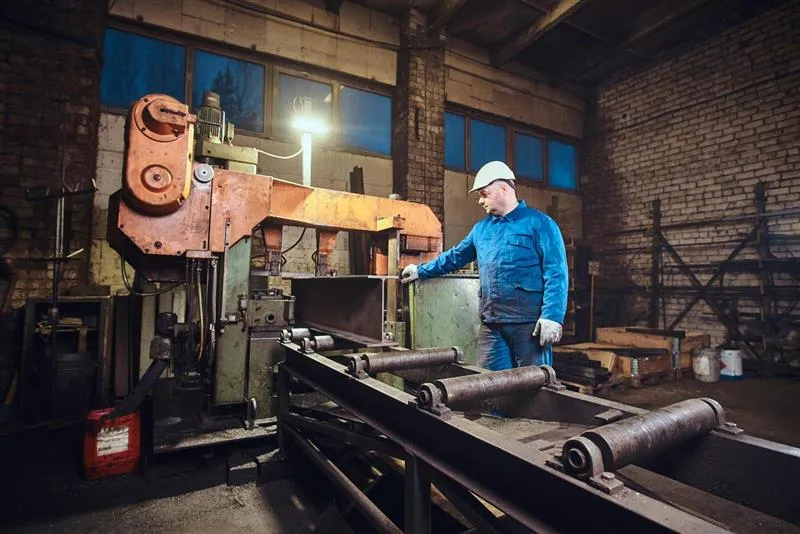
Indonesia’s advanced materials market is gaining traction as the country’s industrial base expands and diversifies. Advanced materials, such as high‑performance polymers, composites, nanomaterials, and specialty alloys are critical enablers for sectors like automotive, aerospace, electronics, and renewable energy. Although the market is still emerging compared to developed economies, growing industrialization and technology adoption are driving demand.
With Indonesia’s manufacturing sector contributing majorly to the country’s GDP, the need for stronger, lighter, and more efficient materials is becoming evident. Advanced materials enhance product performance, reduce weight, and improve sustainability making them essential for future‑oriented industries.
Key Drivers Fueling the Growth of Advanced Materials Market of Indonesia
Industrial Growth and Manufacturing Modernization
Indonesia’s manufacturing landscape is evolving, with increasing activity in automotive, electronics, construction, and renewable energy segments. Advanced materials play a key role in improving product performance and durability. In the automotive sector, for example, lightweight composites and high‑strength alloys are being adopted to improve fuel efficiency and reduce emissions, resonating with global trends toward cleaner mobility. As local manufacturing integrates more sophisticated processes, demand for high‑performance and specialized materials is rising. Businesses are seeking materials that offer superior mechanical properties, thermal resistance, and longevity factors that traditional materials cannot always provide.
Demand from Emerging Technology Sectors
Rapid growth in technology‑dependent industries, such as consumer electronics, semiconductors, and energy storage is another significant driver. Advanced polymers and nanomaterials are vital components in printed circuit boards, flexible electronics, and battery systems. As the electronics market continues to expand, these materials help manufacturers meet higher performance and reliability standards. Innovation in materials science is also enabling breakthroughs in renewable energy technologies. Lightweight composites and advanced coatings improve the efficiency and lifespan of components used in solar panels, wind turbines, and energy storage systems, aligning with Indonesia’s energy transition goals.
Sustainability and Performance Requirements
Global emphasis on sustainability is prompting industries to adopt materials that offer environmental benefits, such as recyclability, lower carbon footprint, and energy efficiency. Advanced materials often provide such benefits, enabling manufacturers to meet stricter regulations and consumer expectations for greener products.
Initiatives taken by Indonesian Government to support Advanced Material sector
The Indonesian government has been promoting industrial modernization through initiatives which encourages investment in advanced manufacturing technologies. By supporting innovation and digital transformation, the policy indirectly stimulates demand for advanced materials used in high‑tech production. Furthermore, efforts to strengthen local research and development, improve technical education, and attract foreign direct investment help create a supportive environment for advanced materials adoption. Infrastructure development and export‑oriented manufacturing policies also play a role in boosting market growth.
Leading Competitors in Advanced Materials Market of Indonesia
The advanced materials market in Indonesia features a mix of local processors and international suppliers. Global chemical and materials companies are partnering with domestic manufacturers to supply polymers, composites, and specialty alloys tailored to local industrial needs. Domestic firms are also expanding capabilities, often focusing on composites and polymer processing for construction and automotive segments. Competition centres on product quality, customization, technological support, and the ability to deliver consistent supply chains.
Difficulties faced by Indonesia’s Advanced Materials Industrial sector
High Costs and Technology Barriers
Advanced materials often come with higher costs compared to traditional alternatives, which can deter adoption, particularly among small and medium‑sized manufacturers. The need for specialized processing equipment and technical expertise further adds to barriers.
Limited Local R&D and Skilled Workforce
Although Indonesia has strengthened its innovation ecosystem, advanced materials R&D remains concentrated in academic and research institutions, with limited commercialization. A shortage of skilled professionals trained in materials science and engineering can slow adoption and innovation within manufacturing sectors.
Future Outlook
In the upcoming years, Indonesia’s advanced materials market is meant for steady growth as industries modernize and sustainability becomes a priority. Adoption is expected to spread beyond traditional sectors into high‑growth areas like renewable energy, e‑mobility, aerospace, and advanced electronics. Technological advancements and collaboration between global materials suppliers and local industry will be key enablers.
Increased investment in research, workforce training, and manufacturing infrastructure is likely to expand capabilities and reduce dependence on imports. As Indonesia strengthens its position in regional and global value chains, advanced materials will play an increasingly significant role, supporting more efficient, innovative, and competitive industrial ecosystems.
Consultants at Nexdigm, in their latest publication Indonesia Advanced Matertials Market Outlook to 2035, analyze the sector by System Type (Composite Materials, Nano materials, Polymer materials, Metal Alloys, Smart Materials), by Platform Type (Automotive Platform, Aerospace Platform, Electronic Platform, Construction Platform, Energy Platform).
Nexdigm suggests that businesses should welcome a forward-thinking mindset. By focusing on leveraging emerging technologies, and aligning with evolving market trends, companies can navigate uncertainty with confidence. Combining strategic insights with local expertise helps organizations build resilience, enabling sustainable growth and maintain competitiveness in the market.
To take the next step, simply visit our Request a Consultation page and share your requirements with us.
Harsh Mittal
+91-8422857704