
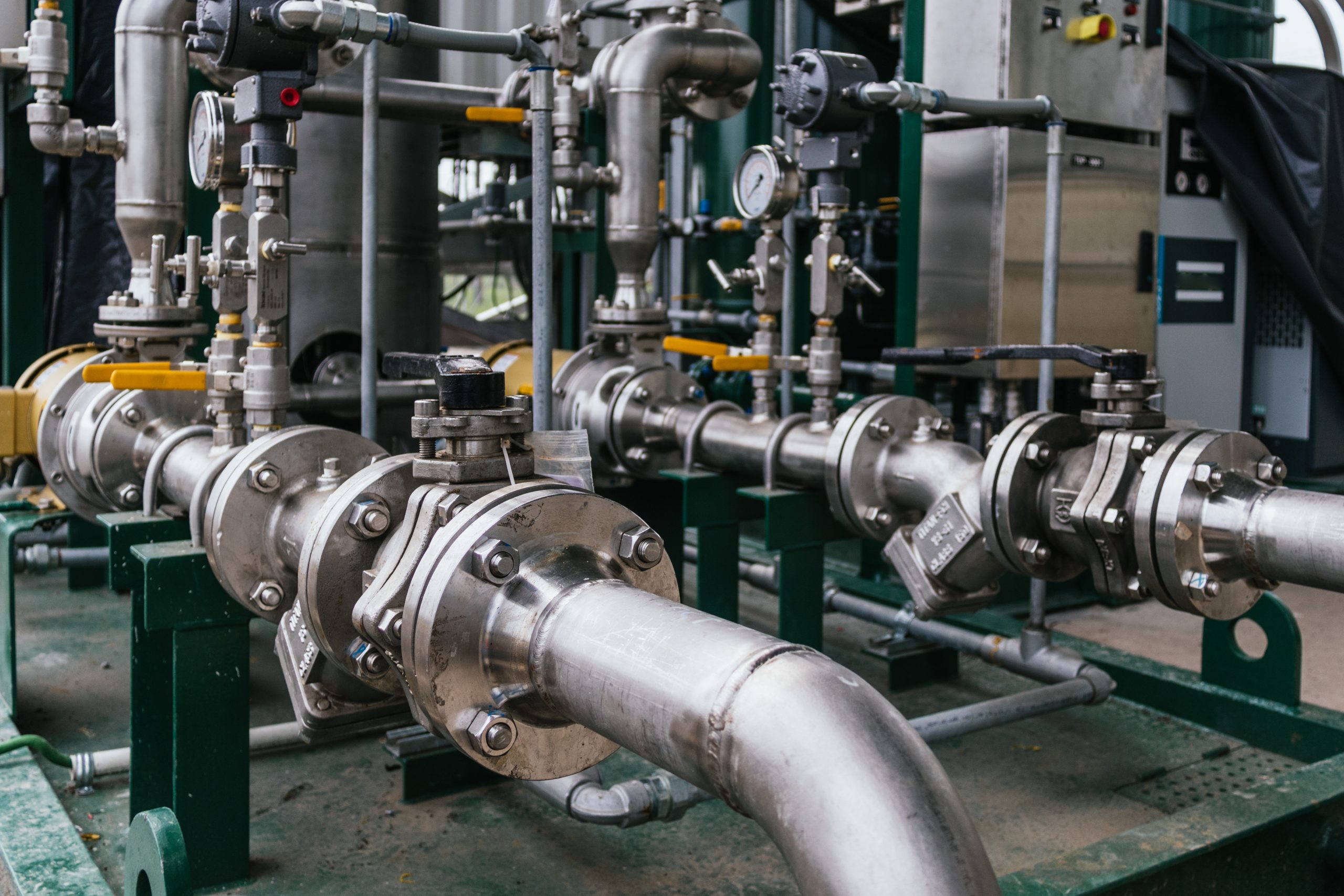
Indonesia’s Air Separation Unit (ASU) market is gaining momentum as the country accelerates industrialization, downstream mineral processing, healthcare expansion, and infrastructure development. ASUs play a crucial role in producing industrial gases such as oxygen, nitrogen, and argon, which are essential across steel manufacturing, electronics, chemicals, healthcare, and energy sectors. Indonesia’s manufacturing sector contributes over 19% of the nation’s GDP, while nickel processing and industrial investments continue to expand rapidly, creating strong demand for industrial gases and large-scale gas production facilities.
Market Drivers Advancing the Indonesia’s Air Separation Unit Industry
Growing Manufacturing and Industrial Base
Indonesia’s ambition to become a leading manufacturing hub is one of the strongest growth catalysts for the ASU market. Industrial gases are indispensable in metal fabrication, food processing, chemicals, glass production, and electronics manufacturing. The manufacturing sector accounts for more than 19% of Indonesia’s GDP and remains one of the country’s largest economic contributors. Continued investment in industrial estates and production facilities is increasing the need for reliable oxygen and nitrogen supplies. As manufacturers focus on operational efficiency and product quality, on-site and merchant air separation units are becoming increasingly attractive solutions.
Nickel Downstream Processing and Metal Industry Investments
Indonesia possesses more than 20% of global nickel reserves and produces over half of the world’s nickel mine output. The government’s downstream processing strategy has encouraged massive investments in smelters, refineries, and battery-material facilities. These operations require significant volumes of oxygen to improve smelting efficiency and support metallurgical processes. As new nickel-processing complexes and industrial parks come online, large-capacity ASUs are being installed to ensure uninterrupted gas supply. This trend is expected to remain a major driver of market growth over the coming decade.
Rising Demand from Healthcare and Electronics
Demand for medical oxygen witnessed a structural shift following increased investments in healthcare infrastructure. Hospitals, medical centers, and pharmaceutical manufacturers continue to strengthen oxygen supply networks across the country. Meanwhile, Indonesia’s growing electronics and semiconductor-related manufacturing activities are generating higher demand for ultra-high-purity nitrogen. Modern electronics production relies heavily on industrial gases to maintain contamination-free environments and improve product yields.
Government Initiatives Supporting the Indonesia’s Air Separation Unit Industry
The Indonesian government continues to promote industrial growth through foreign direct investment, industrial estate development, and downstream processing initiatives. Investment in base metals, industrial zones, and manufacturing projects has remained strong, encouraging the construction of associated gas infrastructure. Policies supporting mineral value addition, energy security, and domestic manufacturing are indirectly benefiting ASU operators by creating long-term demand for oxygen, nitrogen, and argon production facilities.
Competitive Landscape of Indonesia’s Air Separation Unit Industry
The market features a blend of global industrial gas companies and regional suppliers competing through technology, reliability, and long-term supply agreements. Major participants focus on establishing on-site gas generation plants near industrial clusters, smelters, and manufacturing hubs. Partnerships with steel producers, chemical manufacturers, and mining operators remain a common growth strategy. Companies are also investing in energy-efficient ASU technologies to lower operating costs and improve sustainability performance.
Challenges Facing Indonesia’s Air Separation Unit Industry
High Capital and Energy Requirements
Building an air separation unit requires substantial upfront capital investment. In addition to equipment and construction costs, operators must manage significant electricity consumption, which directly impacts profitability. Fluctuating energy prices can influence production economics and project viability, particularly for large-scale facilities.
Infrastructure and Supply Chain Limitations
Indonesia’s geographical layout presents logistical challenges for industrial gas distribution. Transporting gases across islands can increase operational complexity and costs. Developers must also address infrastructure readiness, including power availability and connectivity to industrial facilities before commissioning new ASU projects.
Future Outlook
The future of Indonesia’s Air Separation Unit market appears highly promising. Continued industrial expansion, rapid growth in nickel downstream processing, increasing manufacturing investments, and rising healthcare requirements are expected to sustain demand for industrial gases.
As Indonesia strengthens its position in electric vehicle battery materials, advanced manufacturing, and industrial processing, oxygen and nitrogen consumption is likely to increase steadily. Companies that invest in efficient, large-capacity, and environmentally responsible ASU systems will be well positioned to capitalize on emerging opportunities across the country’s evolving industrial landscape.
Consultants at Nexdigm, in their latest publication “Indonesia Air Separation Unit Market Outlook to 2035” analyze the sector By Distribution Channel (Merchant Liquid Delivery and Cylinder Packaged Gas Sales), By Supply Model (Bulk Liquid Tanker Transport and Micro-Bulk Cylinder Systems) and By End User Industry (Nickel Smelting Operations, Copper Processing Facilities and Steel Blast Furnace Injection).
Nexdigm suggests that businesses in “Indonesia Air Separation Unit Industry” focusses on oilfield, desalination, construction, and industrial applications, strengthen local warehousing, develop application-specific grades, improve technical support, and build resilient sourcing networks to serve expanding energy, water, and manufacturing demand.
To take the next step, simply visit our Request a Consultation page and share your requirements with us.
Harsh Mittal
+91-8422857704