
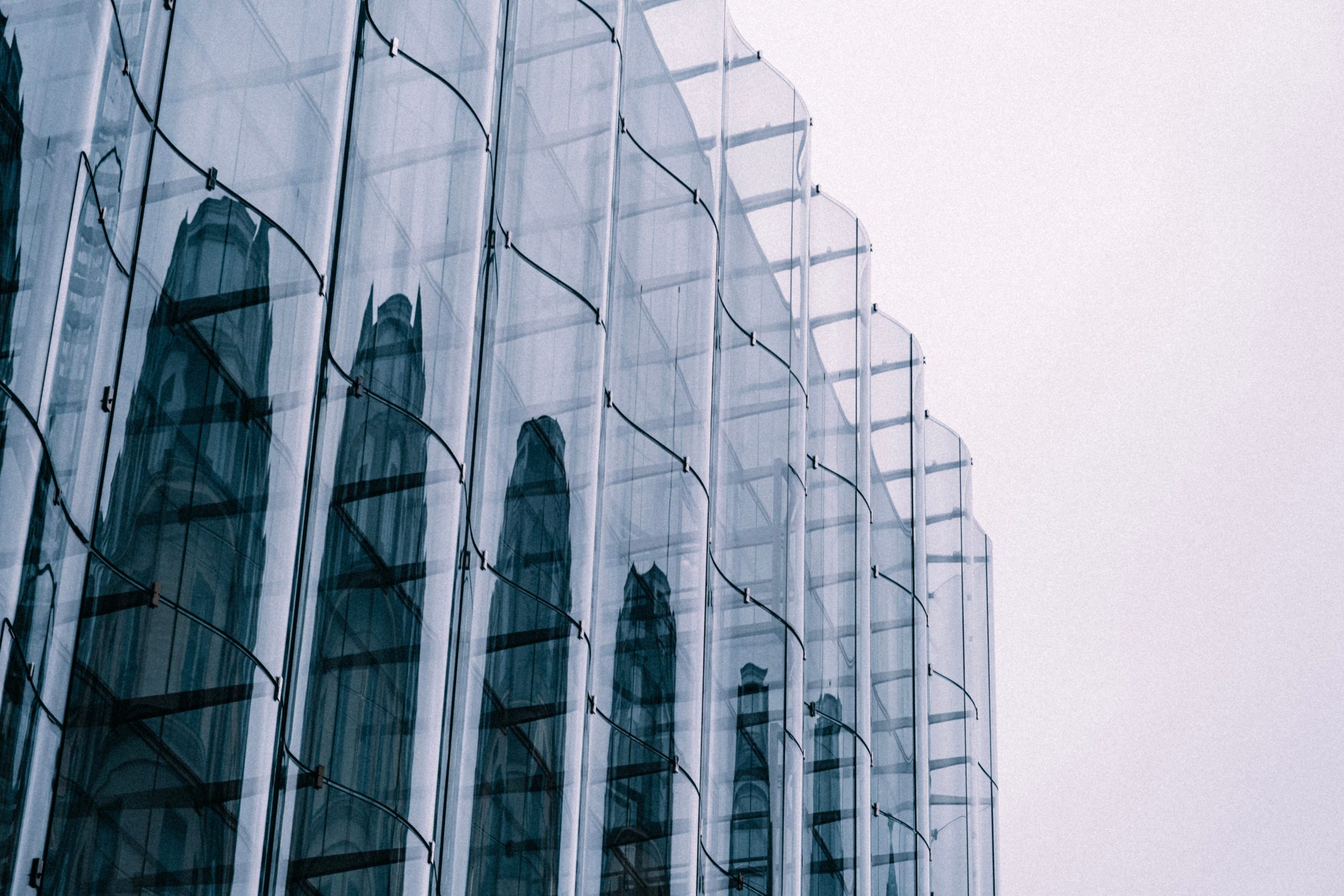
Indonesia’s architectural and construction glass market is experiencing steady growth, supported by rapid urbanization, large-scale infrastructure investments, and increasing demand for energy-efficient buildings. The market is valued at approximately USD 2.45 billion and is projected to grow at a CAGR of around 6.8%, reaching nearly USD 4.75 billion by the forecast period. Rising construction activity in major cities such as Jakarta and Surabaya, along with the development of Nusantara, Indonesia’s new capital city, is creating significant opportunities for advanced glazing solutions, low-emissivity glass, and sustainable building materials.
Market Drivers Advancing the Indonesia Architectural and Construction Glass Growth
Rapid Infrastructure Development and Urbanization
Indonesia continues to witness strong construction growth driven by expanding residential, commercial, and transportation infrastructure. Major urban centers are investing in high-rise buildings, mixed-use developments, airports, and commercial complexes, increasing the demand for high-performance architectural glass. The development of Nusantara has further accelerated the need for modern construction materials, including energy-efficient and heat-reflective glass solutions.
Growing Demand for Sustainable and Energy-Efficient Buildings
Building owners and developers are increasingly adopting glass products that improve thermal insulation and reduce energy consumption. Low-emissivity (Low-E) glass, solar control glass, and insulated glazing units are becoming popular as they help lower cooling costs in Indonesia’s tropical climate. Rising awareness of green building practices is encouraging the use of advanced glass technologies across commercial and residential projects.
Technological Advancements in Glass Manufacturing
Leading manufacturers are investing in modern production technologies to enhance product quality and operational efficiency. Automated float glass production, coating technologies, and energy-efficient manufacturing processes are enabling suppliers to meet evolving customer requirements. These innovations are also helping companies reduce carbon emissions while offering durable and high-performance products for modern construction applications.
Government Initiatives Supporting Indonesia Architectural and Construction Glass Industry
The Indonesian government is promoting sustainable construction through updated building regulations and energy-efficiency standards. Green building guidelines encourage the adoption of construction materials that improve environmental performance and reduce energy consumption. Additionally, ongoing investments in smart city projects, transportation infrastructure, and the Nusantara capital development project are expected to generate sustained demand for architectural and construction glass products across the country.
Competitive Landscape of Indonesia Architectural and Construction Glass Sector
The market is moderately concentrated, with established manufacturers and regional suppliers competing through product innovation and capacity expansion. Major players focus on float glass production, coated glass solutions, and value-added products designed for energy efficiency. Companies are increasingly investing in advanced manufacturing facilities and sustainable production processes to strengthen their market position and address growing demand from infrastructure and commercial construction projects.
Challenges Impacting Indonesia Architectural and Construction Glass Industry
Volatility in Raw Material and Energy Costs
Glass production is highly energy-intensive, making manufacturers vulnerable to fluctuations in fuel and electricity prices. Rising operating costs can impact profit margins and increase product prices for end users.
Competition from Alternative Building Materials
Architectural glass faces competition from alternative facade and construction materials that offer different cost and performance benefits. Manufacturers must continuously innovate and improve product efficiency to maintain competitiveness in the market.
Future Outlook
The future of Indonesia’s architectural and construction glass market remains promising, supported by urban expansion, infrastructure modernization, and sustainability initiatives. Demand for advanced glazing systems, energy-efficient glass, and environmentally friendly construction materials is expected to increase significantly. The continued development of commercial buildings, residential complexes, and the Nusantara capital city will create long-term opportunities for manufacturers and suppliers. As green building regulations become more stringent, innovative glass solutions are likely to play a critical role in shaping Indonesia’s next generation of construction projects.
Consultants at Nexdigm, in their latest publication “Indonesia Architectural and Construction Glass Market Outlook to 2035 ,” analyze the sector By (Defining architectural glass scope, Industry expert interview schedule, Bottom-up production capacity validation,), By (End-user procurement channel surveys, regional growth driver weighting, Inflationary cost factor adjustment, Forecasting market saturation curves).
Nexdigm suggests that businesses in the Indonesia Architectural and Construction Glass Indutry focus on energy-efficient glazing solutions, sustainable manufacturing practices, and infrastructure-driven opportunities. Rising urbanization, green building regulations, and major development projects are expected to create long-term demand for advanced architectural glass products.
To take the next step, simply visit our Request a Consultation page and share your requirements with us.
Harsh Mittal
+91-8422857704