
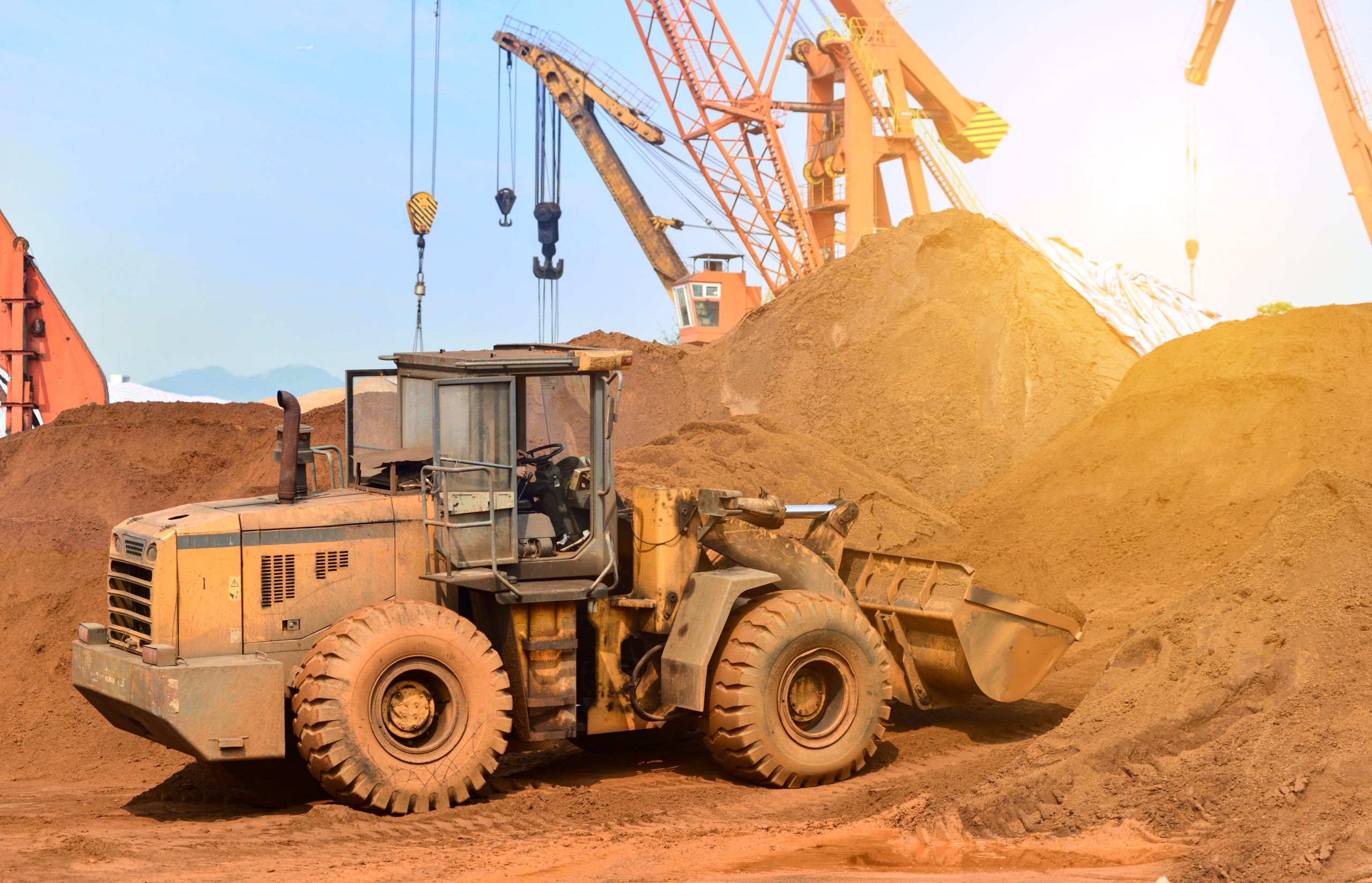
Indonesia’s construction equipment industry is gaining strong momentum as the country continues to invest in modern infrastructure, mining operations, and industrial development. With a population exceeding 280 million and a growing urban middle class, the need for better roads, ports, airports, housing, and industrial facilities is increasing steadily. The development of Nusantara, Indonesia’s new capital city, has further accelerated construction activity, creating substantial demand for excavators, loaders, cranes, and other heavy machinery. These developments are making construction equipment a critical enabler of Indonesia’s long-term economic transformation.
Market Drivers Advancing the Indonesia Construction Equipment Industry
Indonesia’s Infrastructure Megaprojects Are Fueling Equipment Demand
Infrastructure development remains the backbone of the Indonesian construction equipment industry. Large-scale investments in highways, railways, airports, seaports, and water infrastructure are driving demand for earthmoving and material-handling machinery. The Nusantara capital city project alone requires extensive land preparation, road construction, and utility installation, creating opportunities for equipment manufacturers and rental providers. As contractors work on nationwide connectivity projects, the utilization of excavators, bulldozers, graders, and compactors continues to rise. Growing public and private construction spending is expected to keep equipment demand elevated over the coming years.
Indonesia’s Mining Industry Continues Creating Heavy Equipment Opportunities
Indonesia is among the world’s leading producers of coal and nickel, with nickel reserves accounting for a significant share of global supply. The country’s strategic role in the electric vehicle battery supply chain has attracted major mining and processing investments. Mining operators increasingly depend on heavy-duty excavators, dump trucks, wheel loaders, and drilling equipment to support extraction activities. The expansion of nickel-processing facilities and resource development projects is generating consistent demand for advanced construction and mining machinery.
Urban Development and Industrial Investments Are Boosting Market Growth
Indonesia’s urban population continues to grow, placing pressure on cities to expand residential, commercial, and industrial infrastructure. New housing projects, logistics hubs, industrial parks, warehouses, and manufacturing facilities are emerging across major regions including Jakarta, Surabaya, Bandung, and Batam. At the same time, foreign direct investment in manufacturing sectors such as automotive, electronics, and metal processing is encouraging new factory construction. This trend is increasing the need for versatile construction equipment capable of supporting both large-scale and specialized projects.
Government Initiatives Supporting the Indonesia’s Construction Equipment Industry
The Government of Indonesia continues to prioritize infrastructure expansion through national development programs and strategic investment initiatives. Support for public-private partnerships, transportation modernization, industrial corridor development, and the Nusantara capital city project is creating long-term opportunities for equipment suppliers. Policies aimed at attracting foreign investment and strengthening downstream mining industries are further supporting construction activity and machinery demand across the country.
Competitive Landscape of Indonesia’s Construction Equipment Sector
Indonesia’s construction equipment market features a mix of established international brands and regional players competing through innovation and service excellence. Leading companies such as Caterpillar, Komatsu, Hitachi Construction Machinery, Volvo Construction Equipment, Kobelco, SANY, XCMG, and Hyundai Construction Equipment maintain strong market positions. Companies are increasingly focusing on financing solutions, dealer network expansion, digital fleet management tools, and enhanced after-sales support to attract contractors and mining operators.
Challenges Facing Indonesia’s Construction Equipment Industry
High Ownership Costs Remain a Concern for Contractors
Purchasing heavy construction machinery requires substantial capital investment. For small and medium-sized contractors, equipment acquisition, maintenance expenses, fuel costs, and spare-part replacement can impact profitability. As a result, many businesses increasingly prefer rental and leasing solutions to manage operational costs.
Shortage of Skilled Equipment Operators and Technicians
As construction equipment becomes more technologically advanced, the need for trained operators and maintenance specialists is growing. Many companies face challenges in sourcing skilled personnel capable of operating sophisticated machinery efficiently. This talent gap can affect productivity, project timelines, and operational safety standards.
Future Outlook
The future of Indonesia’s construction equipment industry looks highly promising as infrastructure expansion, mining development, and urban growth continue to reshape the country’s economic landscape. Rising investments in transportation networks, industrial zones, and the new capital city are expected to generate sustained equipment demand. Additionally, the adoption of telematics, automation, fuel-efficient machinery, and environmentally responsible technologies will transform equipment operations. As public and private sector investments remain strong, Indonesia is set to remain one of Southeast Asia’s most attractive construction equipment markets in the years ahead.
Consultants at Nexdigm, in their latest publication “Indonesia Construction Equipment Market Outlook to 2035” analyze the sector By Equipment Type (Wheel Prepared, Motor Graders and Bulldozers), By Project Application (Infrastructure Development, Mining Operations Support and Residential Construction) and By Power Source (Diesel Internal Combustion, Hybrid-Electric Propulsion and Pure Electric Battery).
Nexdigm suggests that businesses in “ Indonesia Construction Equipment Industry” focusses on oilfield, desalination, construction, and industrial applications, strengthen local warehousing, develop application-specific grades, improve technical support, and build resilient sourcing networks to serve expanding energy, water, and manufacturing demand.
To take the next step, simply visit our Request a Consultation page and share your requirements with us.
Harsh Mittal
+91-8422857704