
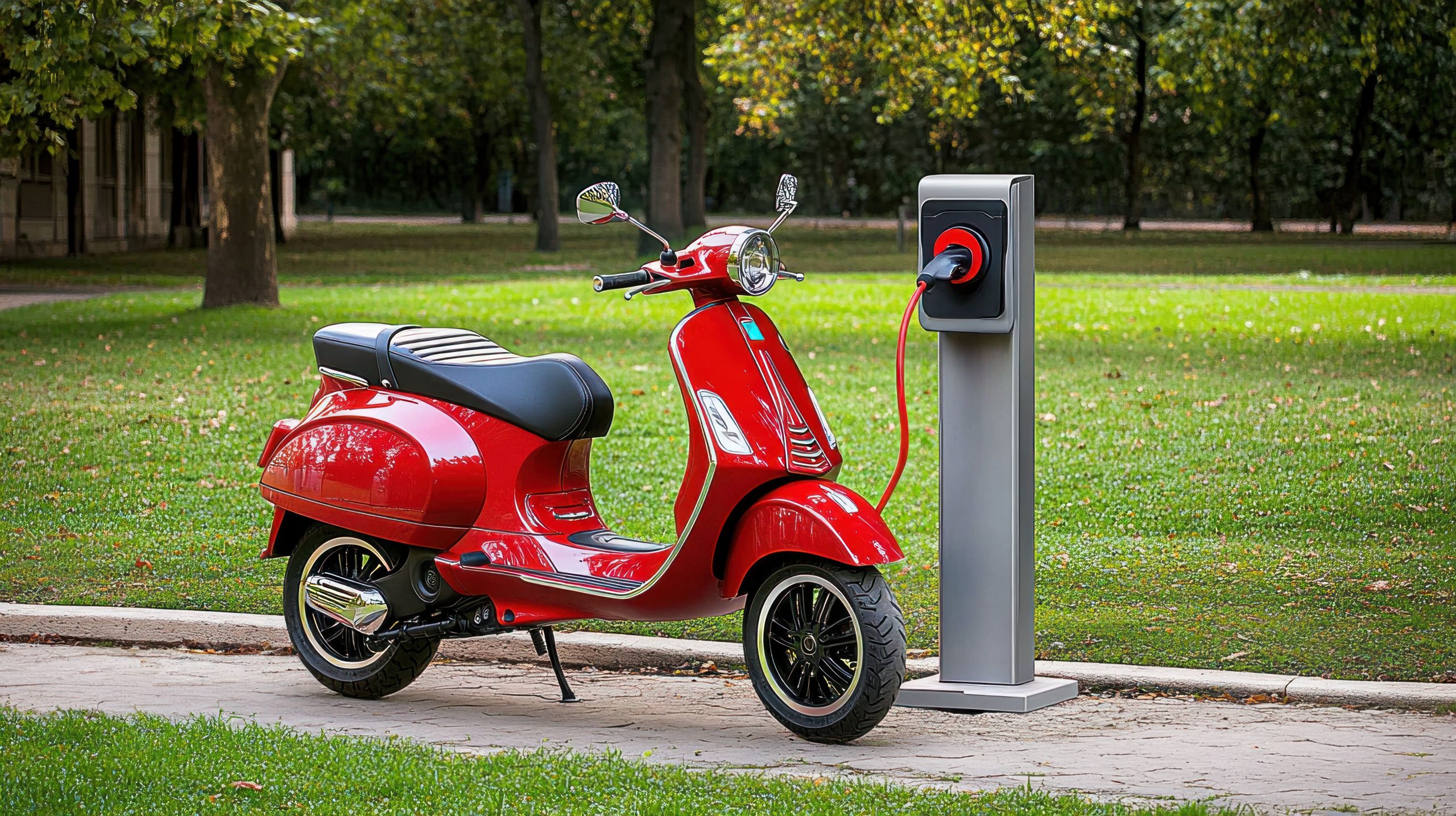
Indonesia’s electric mobility sector is gaining momentum as the country accelerates its transition toward sustainable transportation and reduced dependence on fossil fuels. With more than 120 million motorcycles currently on the road, two-wheelers dominate Indonesia’s transport ecosystem and play a critical role in daily commuting and last-mile delivery. As of 2026, the Indonesian government is actively promoting electric two-wheelers (E2Ws) through subsidies, local manufacturing incentives, and battery ecosystem development. Rising fuel costs, increasing environmental awareness, and the rapid expansion of e-commerce logistics are further encouraging the shift toward electric motorcycles and scooters. As urban congestion and air pollution continue to rise in cities such as Jakarta and Surabaya, electric two-wheelers are emerging as a practical and cost-efficient alternative for urban mobility.
What’s Driving the Electric Two-Wheeler Market in Indonesia?
Government Subsidies and Electrification Targets
Indonesia has set ambitious targets to accelerate electric vehicle adoption as part of its broader decarbonization strategy. The government introduced subsidies for electric motorcycles, reducing purchase costs and encouraging consumers to shift from conventional internal combustion engine (ICE) bikes. These incentives, along with tax benefits and financing support, are making electric two-wheelers increasingly accessible to price-sensitive consumers. The government aims to deploy millions of electric motorcycles on the road by the early 2030s as part of its national energy transition plan.
Rapid Growth of E-Commerce and Delivery Services
The rapid growth of Indonesia’s digital economy has significantly boosted demand for electric two-wheelers, particularly in last-mile logistics. Food delivery, parcel services, and ride-hailing platforms rely heavily on motorcycles due to their affordability and ability to navigate congested urban streets. Fleet operators are increasingly adopting electric motorcycles to reduce fuel costs and operational expenses. The lower maintenance requirements of electric powertrains further enhance the economic appeal for delivery companies and gig-economy riders.
Urban Air Pollution and Rising Fuel Prices
Air quality concerns in major Indonesian cities are pushing policymakers and consumers toward cleaner transportation solutions. Electric two-wheelers produce zero tailpipe emissions, making them an attractive option for reducing urban pollution. Additionally, fluctuations in fuel prices have made electric alternatives financially appealing for daily commuters. Over time, the lower total cost of ownership compared to gasoline-powered motorcycles is expected to drive stronger adoption among middle-income households.
Government-Led Initiatives Supporting EV Adoption
The Indonesian government is actively building an electric vehicle ecosystem through industrial policy and investment incentives. Programs encouraging domestic battery production, EV component manufacturing, and charging infrastructure development are strengthening the country’s electric mobility landscape. Indonesia’s vast nickel reserves are also playing a strategic role, as nickel is a key component in lithium-ion batteries. By leveraging its mineral resources, Indonesia aims to become a regional hub for battery manufacturing and electric vehicle production. These initiatives are expected to attract global EV manufacturers and strengthen the domestic supply chain over the coming decade.
Market Competition and Industry Landscape
The Indonesia electric two-wheeler market is gradually becoming competitive as both domestic startups and international manufacturers enter the segment. Local companies are developing affordable electric motorcycles tailored to Indonesian commuting patterns, while established motorcycle manufacturers are expanding their electric portfolios. Strategic partnerships between battery suppliers, ride-hailing platforms, and vehicle manufacturers are also emerging to accelerate adoption. Fleet electrification programs led by ride-hailing and delivery companies are expected to play a crucial role in scaling early demand for electric two-wheelers.
Infrastructure and Cost Challenges
Despite strong momentum, the electric two-wheeler market in Indonesia still faces several structural challenges. Charging infrastructure remains limited, particularly outside major urban centers, creating range anxiety among potential buyers. Battery costs also contribute significantly to vehicle pricing, making electric motorcycles more expensive upfront than conventional models. Additionally, consumer awareness regarding battery lifespan, resale value, and charging convenience is still evolving. Addressing these barriers will be essential for large-scale adoption across the country.
Future Outlook
The Indonesia electric two-wheeler market is expected to witness substantial growth through 2035 as electrification policies, technological advancements, and urban mobility needs continue to evolve. Over the next decade, the expansion of battery-swapping networks, localized manufacturing, and declining battery costs will significantly improve affordability and convenience. Electric motorcycles are likely to become a mainstream choice for urban commuters, delivery fleets, and ride-hailing drivers across Indonesia’s major cities. By 2035, the market is anticipated to become more structured with stronger domestic manufacturing capabilities, expanded charging and battery-swapping infrastructure, and deeper integration with Indonesia’s digital mobility ecosystem. The transition toward electric two-wheelers will not only reduce fuel consumption and urban emissions but also strengthen Indonesia’s position within the global EV supply chain.
Consultants at Nexdigm, in their latest publication “Indonesia Electric Two-Wheeler Market Outlook to 2035”, analyzed the market by Vehicle Type (Electric Scooters, Electric Motorcycles, Battery-Swapping Models), By Battery Type (Lithium-ion, Lead-acid, Others), By End User (Personal Commuters, Ride-Hailing Drivers, Delivery and Logistics Fleets), and By Distribution Channel (OEM Dealerships, Online Platforms, Fleet Partnerships). Nexdigm believes that businesses should focus on localized battery manufacturing, battery-swapping infrastructure expansion, and strategic partnerships with ride-hailing and logistics companies to accelerate electric two-wheeler adoption in Indonesia.
To take the next step, simply visit our Request a Consultation page and share your requirements with us.
Harsh Mittal
+91-8422857704