
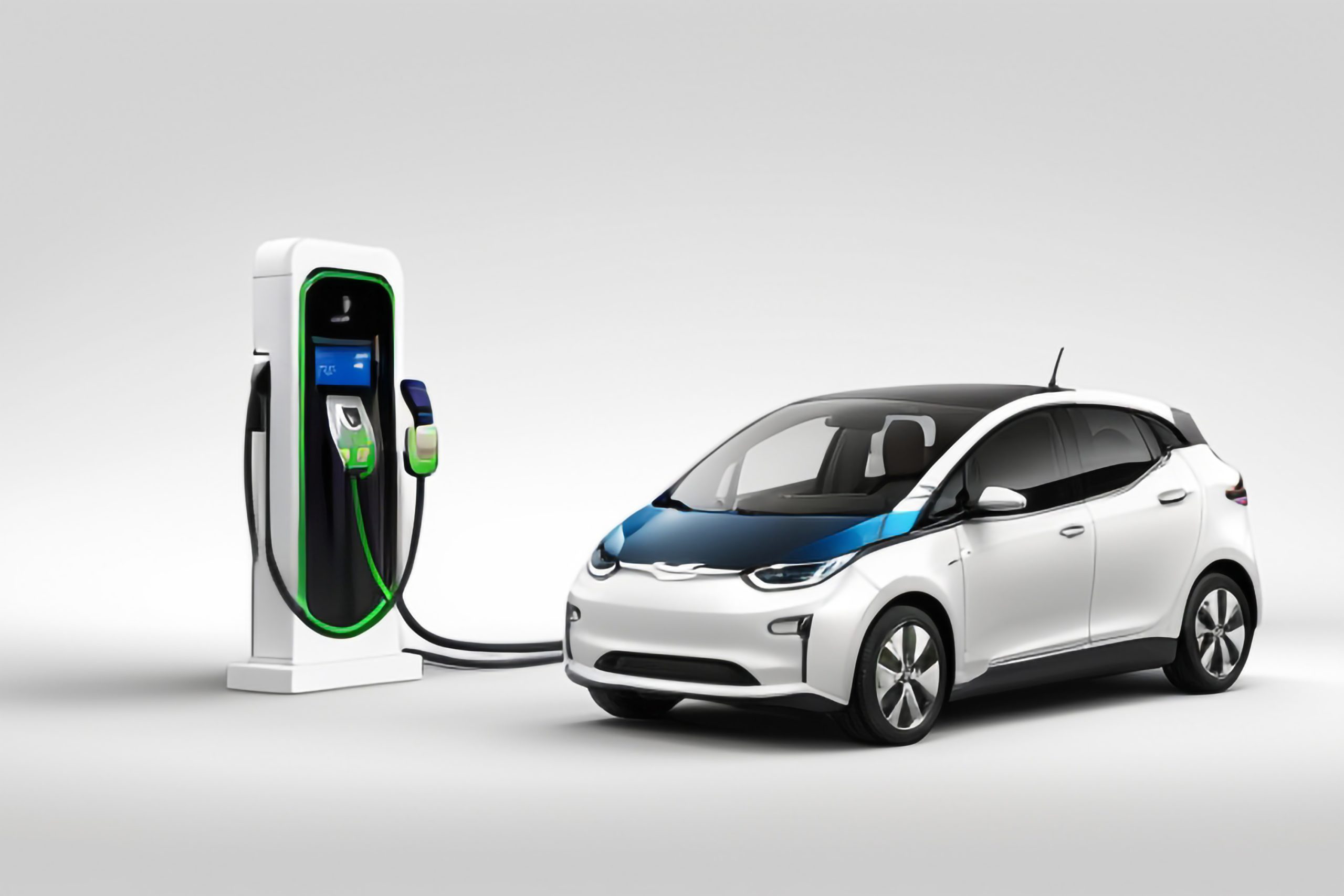
Indonesia’s electric vehicle (EV) market is entering a critical growth phase as the country accelerates its transition toward sustainable mobility and domestic battery manufacturing. As of 2026, Indonesia remains one of Southeast Asia’s largest automotive markets, with conventional internal combustion engine (ICE) vehicles dominating the fleet. However, rising fuel costs, environmental concerns, and government-backed electrification policies are driving a shift toward electric mobility. Indonesia also holds the world’s largest nickel reserves, a key component for lithium-ion batteries, positioning the country as a strategic hub for EV battery production. With increasing investment from global automakers and battery manufacturers, Indonesia is steadily building an integrated EV ecosystem spanning mining, battery production, vehicle assembly, and charging infrastructure.
What’s Driving the Electric Vehicle Market in Indonesia?
Abundant Nickel Reserves and Battery Manufacturing Expansion
Indonesia’s dominance in global nickel reserves is a major driver of its EV ambitions. Nickel is a critical raw material used in lithium-ion batteries, and Indonesia has leveraged this advantage by restricting raw nickel exports and encouraging domestic processing. This policy has attracted substantial investments from global battery and EV manufacturers. The development of integrated battery supply chains is reducing production costs and positioning Indonesia as a regional hub for EV battery manufacturing. Several large-scale projects focused on battery precursor and cathode materials are currently underway, strengthening the country’s EV ecosystem.
Rising Urbanization and Demand for Sustainable Mobility
Indonesia’s major urban centers, including Jakarta, Surabaya, and Bandung, face increasing traffic congestion and air pollution challenges. Electric vehicles are being promoted as a cleaner alternative to conventional vehicles, particularly for urban commuting and ride-hailing services. Two-wheelers and electric motorcycles are gaining significant traction due to their affordability and suitability for densely populated cities. Ride-hailing platforms and logistics companies are also beginning to electrify their fleets to reduce fuel costs and meet sustainability goals.
Growing Charging Infrastructure and Private Investments
The expansion of EV charging infrastructure is playing a key role in boosting consumer confidence. Indonesia’s state-owned utility company and private operators are actively installing public charging stations across major cities and highways. Automotive manufacturers and energy companies are also partnering to establish charging networks at shopping malls, office complexes, and residential communities. As infrastructure improves, range anxiety among consumers is gradually declining, encouraging broader EV adoption.
Government-Led Initiatives Accelerating EV Adoption
The Indonesian government has introduced several policy measures aimed at building a domestic EV ecosystem and accelerating adoption. Fiscal incentives such as reduced import duties, value-added tax exemptions, and subsidies for EV purchases are being implemented to make electric vehicles more affordable. The government has also mandated local content requirements for EV manufacturing, encouraging automakers to establish production facilities within the country. Additionally, Indonesia has set ambitious electrification targets as part of its long-term decarbonization strategy. National roadmaps outline plans to significantly increase the number of electric cars, buses, and motorcycles on the road by the early 2030s. Public transport electrification programs, particularly electric buses in urban transit systems, are also being introduced to reduce carbon emissions and fuel consumption.
Market Competition and Emerging Industry Players
The Indonesia EV market is gradually becoming competitive with the entry of both global and regional automakers. Companies such as Hyundai Motor Company, Toyota Motor Corporation, Wuling Motors, and BYD are actively expanding their EV presence in the country. Hyundai has established an EV manufacturing plant in Indonesia, producing models for both domestic consumption and export markets. Meanwhile, Chinese manufacturers are rapidly gaining traction in the electric two-wheeler and compact EV segments due to competitive pricing and advanced battery technology. Domestic automotive companies and startups are also entering the EV ecosystem, particularly in electric motorcycles, battery swapping solutions, and charging infrastructure development.
Limited Charging Infrastructure and Grid Readiness
One of the key challenges facing Indonesia’s electric vehicle market is the limited availability of charging infrastructure, particularly outside major urban centers such as Jakarta, Surabaya, and Bandung. While the number of public charging stations is gradually increasing, the network remains insufficient to support large-scale EV adoption across the country’s vast geography. Additionally, Indonesia’s power grid in several regions requires upgrades to handle increased electricity demand from EV charging. Without faster infrastructure deployment and grid modernization, range anxiety may continue to slow consumer adoption.
Future Outlook
Indonesia’s electric vehicle market is expected to witness significant expansion through 2035 as investments across the EV value chain continue to grow. By the early 2030s, electric motorcycles are likely to dominate the EV landscape due to their affordability and widespread adoption among urban commuters and delivery services. Passenger electric vehicles are also expected to gain momentum as battery prices decline and charging infrastructure becomes more widely available. Indonesia’s strategic focus on battery manufacturing and mineral resources could position the country as one of Asia’s most important EV supply chain hubs. Large-scale battery gigafactories, integrated processing facilities, and EV manufacturing plants are expected to attract continued foreign investment.
Consultants at Nexdigm, in their latest publication “Indonesia Electric Vehicle Market Outlook to 2035: By Vehicle Type (Electric Two-Wheelers, Electric Passenger Cars, Electric Commercial Vehicles, Electric Buses), By Battery Type (Lithium-Ion, Nickel-Metal Hydride, Solid-State), By Charging Infrastructure (Public Charging Stations, Private Charging, Battery Swapping), and By End-User (Private Consumers, Fleet Operators, Public Transport)”, believe that businesses should prioritize battery localization, strategic partnerships with charging infrastructure providers, and expansion into the electric two-wheeler segment to capture early growth opportunities in Indonesia’s rapidly evolving EV market.
To take the next step, simply visit our Request a Consultation page and share your requirements with us.
Harsh Mittal
+91-8422857704