
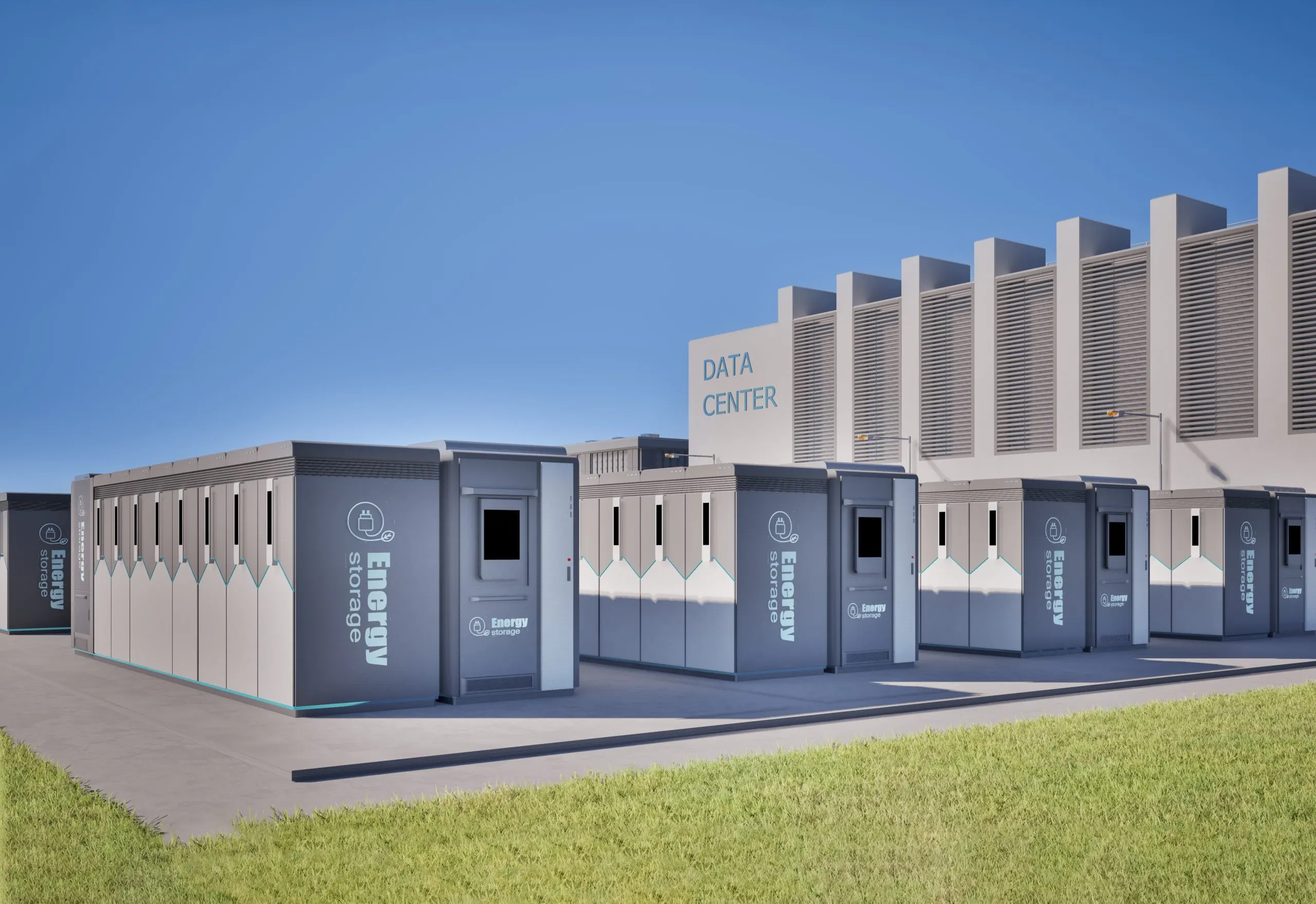
Indonesia’s energy storage market is poised for significant expansion through 2035 as the nation seeks greater energy reliability and a transition toward cleaner power sources. Growing deployment of renewable generation — particularly solar and wind — is driving demand for systems that can store and dispatch energy efficiently, address grid intermittency, and support electrification in remote regions. Initiatives targeting large-scale battery energy storage systems (BESS) are emerging in response to these needs, reflecting Indonesia’s broader strategy to diversify its energy mix and strengthen energy security over the next decade.
Factors Fueling the Growth of Indonesia Energy Storage Market
Renewable Energy Integration
Indonesia’s renewable power capacity — including solar, geothermal and hydro — is expanding rapidly from a base of roughly 8.4 GW in 2024 toward projected renewable growth of 38.1 GW by 2035. Storage systems are critical to managing the intermittency of solar and wind resources and to balance supply and demand on the grid. As utility-scale solar and wind projects scale up, interest in BESS installations to support grid stability and flexible dispatch is increasing.
Decentralized Electrification & Cost Savings
With a large archipelagic geography comprising thousands of islands, Indonesia faces unique challenges in electrification and energy distribution. Renewable plus storage configurations, such as solar paired with BESS, can replace expensive diesel generation in remote areas, offering lower electricity costs per kilowatt-hour and substantial savings on fuel imports and subsidies. Governments and utilities are exploring hybrid microgrid deployments to improve access and affordability.
Market Growth & Investment Dynamics
Quantitative analyses indicate the Indonesian BESS market expanding markedly from around USD 3.1 billion in 2025 toward higher valuations by 2031, with compound annual growth rates exceeding 20 % in early forecast years. Returns on investment and technology improvements — especially in lithium‑ion and next‑generation chemistries — are improving project economics.
Government Policies and Initiatives Driving Energy Storage Adoption in Indonesia
Indonesia has launched ambitious programmers that aim to deploy up to 100 GW of solar capacity accompanied by large‑scale battery energy storage, including a target of around 320 GWh of BESS across distributed and rural zones to improve energy access and reliability. Policy frameworks and cooperative schemes with international agencies and utilities are also advancing to unlock financing and incentivize renewable plus storage projects.
Key Players and Competitive Dynamics in Indonesia Energy Storage Market
The Indonesia energy storage market features an increasingly competitive mix of global and regional technology providers focusing on grid‑scale BESS solutions. International firms supplying lithium‑ion and advanced battery technologies are entering the market, driven by rising demand from utility projects, industrial consumers, and renewable developers. Ongoing collaborations and pilot projects illustrate evolving technology deployment and market diversification.
Key Challenges Hindering the Growth of Indonesia Energy Storage Market
Regulatory & Financial Barriers
Despite clear demand growth, regulatory uncertainty and the absence of a fully harmonized energy storage policy framework can slow deployment and complicate project financing. High upfront costs and permitting delays remain in significant impediments, particularly for smaller scale and decentralized systems. Efforts to develop streamlined guidelines and blended finance mechanisms are underway but require further refinement to attract broader private investment.
Future Outlook
Through 2035, Indonesia’s energy storage sector is expected to deepen its role as a foundational component of the power system as renewable capacity builds out. Advancements in battery cost, efficiency, and manufacturing — complemented by strategic policy support — will broaden applications from utility‑scale to industrial and community‑level deployments. Continued electrification of remote regions, declining technology costs, and integration with digital grid services point to sustained demand growth. If regulatory and financing barriers are addressed, energy storage could significantly enhance grid resiliency and help Indonesia meet its decarbonization and energy security objectives by 2035.
Consultants at Nexdigm, in their latest publication “Indonesia Energy Storage Market Outlook to 2035,” analyze the sector by System Type (Battery Energy Storage Systems (BESS), Flywheel Energy Storage Systems, Thermal Energy Storage Systems, Hydrogen Storage Systems), By Platform Type (Grid-scale Energy Storage, Commercial & Industrial Energy Storage, Residential Energy Storage), and By Fitment Type (On-grid Solutions, Off-grid Solutions, Hybrid Solutions). Nexdigm suggests that businesses should focus on understanding local market dynamics, regulatory landscapes, and technological advancements to drive successful entry and growth in the energy storage sector. By aligning their strategies with Indonesia’s renewable energy goals, companies can leverage government incentives, address infrastructure gaps, and navigate regulatory complexities effectively, thereby creating long-term competitive advantages in the rapidly evolving market.
To take the next step, simply visit our Request a Consultation page and share your requirements with us.
Harsh Mittal
+91-8422857704