
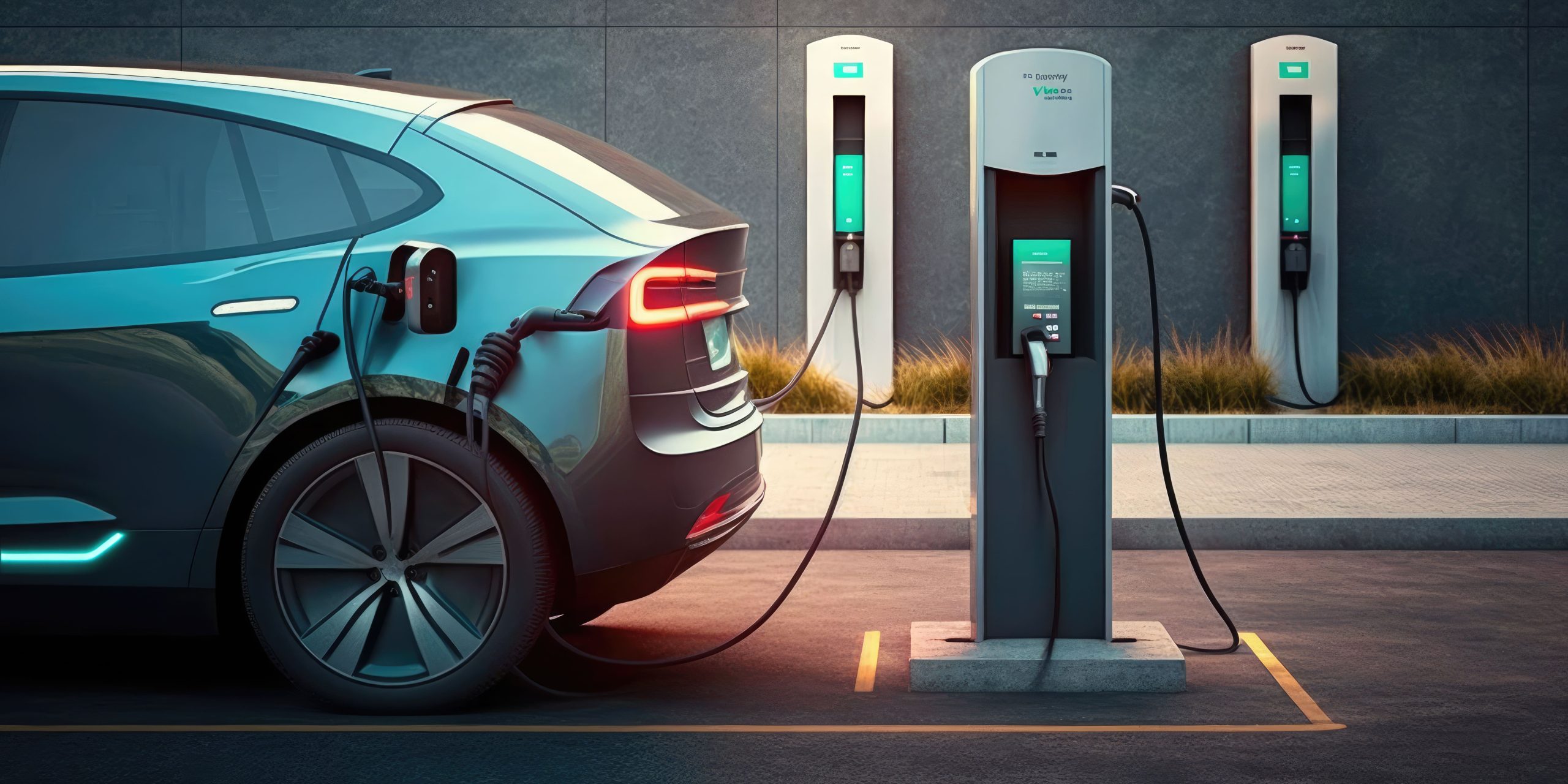
Indonesia’s electric vehicle (EV) battery market is entering a phase of rapid transformation as the country leverages its vast nickel reserves to position itself as a global hub for battery manufacturing. Indonesia holds the world’s largest nickel reserves, a critical component in lithium-ion batteries, giving it a strategic advantage in the global EV supply chain. Over the past few years, the government has implemented policies aimed at building a fully integrated EV ecosystem, from mining and refining to battery production and electric vehicle manufacturing. As of 2026, several large-scale battery projects backed by global players are under development across industrial zones such as Morowali and Weda Bay. These developments are expected to significantly strengthen Indonesia’s role in the global EV battery value chain through 2035.
What’s Driving the EV Battery Market in Indonesia?
Abundant Nickel Reserves Supporting Battery Manufacturing
Indonesia’s dominance in global nickel reserves has become the cornerstone of its EV battery ambitions. Nickel is a key material used in high-energy-density lithium-ion batteries that power electric vehicles. By restricting the export of raw nickel ore and encouraging domestic processing, Indonesia has attracted global battery manufacturers to establish refining and cathode production facilities within the country. This strategy allows Indonesia to capture more value across the EV battery supply chain rather than exporting raw materials.
Rapid Growth in Electric Vehicle Adoption
Indonesia is witnessing a gradual but steady rise in EV adoption as consumers and businesses shift toward cleaner mobility solutions. Increasing fuel prices, urban pollution concerns, and government incentives for electric vehicles are encouraging both private consumers and fleet operators to transition to EVs. As EV adoption expands, demand for locally produced battery packs and energy storage solutions is expected to grow significantly over the next decade.
Foreign Investment and Industrial Cluster Development
Large-scale foreign investments from global battery manufacturers and automotive companies are accelerating the development of Indonesia’s EV battery ecosystem. Integrated industrial parks in regions such as Sulawesi and Halmahera are being developed to host nickel processing plants, battery cell manufacturing facilities, and EV assembly units. These industrial clusters aim to reduce logistics costs, strengthen supply chain integration, and enhance Indonesia’s competitiveness in the global EV battery market.
Government-Led Initiatives Strengthening the EV Ecosystem
The Indonesian government has introduced several strategic initiatives to build a domestic EV battery industry and reduce reliance on imported battery technology. Policies such as the nickel export ban, tax incentives for EV manufacturing, and support for battery research and development are encouraging both domestic and international companies to invest in the sector. In addition, the government aims to establish Indonesia as a regional EV manufacturing hub in Southeast Asia by promoting local battery production and strengthening supply chain infrastructure. Furthermore, regulatory frameworks supporting EV adoption, including subsidies for electric vehicles and the development of charging infrastructure, are expected to indirectly drive battery demand. These initiatives collectively support Indonesia’s ambition to become a key supplier of EV batteries to global automotive manufacturers.
Market Competition and Strategic Partnerships
The Indonesia EV battery market is currently characterized by strategic partnerships between local mining companies and global battery manufacturers. Major global players have entered joint ventures with Indonesian firms to establish battery cell manufacturing and raw material processing facilities. These collaborations enable companies to secure a stable supply of critical minerals while benefiting from Indonesia’s favorable investment environment. Automotive manufacturers are also forming partnerships with battery producers to localize EV production and reduce dependence on imported battery packs. Such collaborations are expected to strengthen the domestic EV value chain and improve Indonesia’s competitiveness in the global battery market.
Infrastructure and Technology Gaps
Despite its strong raw material advantage, Indonesia faces notable challenges in developing advanced battery manufacturing capabilities. Much of the high-end battery technology, specialized production equipment, and technical expertise remain concentrated in countries such as China, South Korea, and Japan. Indonesia’s domestic ecosystem is still evolving in areas such as cell chemistry development, precision manufacturing, and skilled workforce availability. Strengthening local R&D capabilities, technology transfer partnerships, and workforce training programs will be essential for Indonesia to close these gaps and compete effectively in the global EV battery market.
Future Outlook
Indonesia’s EV battery market is expected to experience significant expansion through 2035 as global demand for electric vehicles continues to grow. With ongoing investments in battery gigafactories, refining facilities, and integrated industrial parks, the country is likely to become one of the key battery production hubs in the Asia-Pacific region. By the early 2030s, Indonesia is expected to move beyond raw material exports and establish a more mature battery manufacturing ecosystem that includes cathode production, battery cell manufacturing, and EV assembly. The development of domestic EV manufacturing, expansion of charging infrastructure, and rising adoption of energy storage systems will further accelerate battery demand. As supply chains mature and technological capabilities improve, Indonesia is well positioned to play a critical role in the global transition toward electric mobility.
Consultants at Nexdigm, in their latest publication “Indonesia EV Battery Market Outlook to 2035”, analyzed the market by Battery Type (Lithium-Ion Batteries, Nickel-Cobalt-Aluminum Batteries, Nickel-Manganese-Cobalt Batteries, Lithium Iron Phosphate Batteries), By Application (Electric Cars, Electric Two-Wheelers, Electric Buses, Energy Storage Systems), and By Value Chain Stage (Mining & Refining, Cathode & Anode Materials, Battery Cell Manufacturing, Battery Pack Assembly). Nexdigm believes that businesses should prioritize strategic partnerships in nickel processing, invest in battery recycling technologies, and strengthen local supply chains to fully capitalize on Indonesia’s emerging EV battery ecosystem.
To take the next step, simply visit our Request a Consultation page and share your requirements with us.
Harsh Mittal
+91-8422857704