
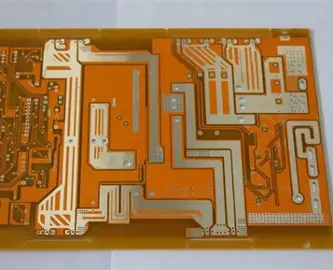
Indonesia’s flexible electronics and flexible circuits market is gaining significant traction, supported by the country’s rapidly expanding electronics manufacturing sector, growing digital economy, and rising adoption of connected devices. As Southeast Asia’s largest economy, Indonesia recorded electronics exports exceeding USD 30 billion, while its digital economy surpassed USD 80 billion in gross merchandise value (GMV), making it one of the fastest-growing digital markets in the region. With a population of over 280 million people and internet penetration exceeding 79%, demand for smartphones, wearable devices, smart appliances, and automotive electronics continues to rise. These trends are driving increased adoption of flexible circuits, printed electronics, and advanced sensor technologies across consumer, industrial, healthcare, and automotive applications.
Key Market Drivers for Indonesia’s Flexible Electronics and Flexible Circuits Industry
Rising Consumer Electronics and Smartphone Penetration
Indonesia represents one of Asia’s largest consumer electronics markets, fueled by a young and digitally connected population. The country has more than 210 million internet users and smartphone penetration exceeding 75%, creating strong demand for advanced electronic devices. Flexible circuits are increasingly incorporated into smartphones, tablets, wearables, cameras, and foldable devices due to their lightweight construction and space-saving characteristics. As consumer spending on smart electronics continues to grow, manufacturers are integrating more sophisticated flexible electronic components to improve device functionality, battery efficiency, and product durability.
Expanding Electric Vehicle and Automotive Electronics Ecosystem
Indonesia is positioning itself as a major electric vehicle manufacturing hub in Southeast Asia, supported by its vast nickel reserves and growing battery production investments. The country recorded vehicle sales of approximately 1 million units annually, while attracting billions of dollars in EV battery and electric mobility investments. Flexible circuits play a critical role in battery management systems, vehicle control units, infotainment displays, sensors, and lighting applications. As EV adoption and automotive digitalization accelerate, demand for flexible electronics is expected to increase significantly throughout the automotive value chain.
Growing Industrial Automation and Manufacturing Modernization
Manufacturing contributes nearly 19% of Indonesia’s GDP, making it one of the country’s most important economic sectors. The government’s push toward Industry 4.0 is encouraging manufacturers to adopt smart factories, IoT-enabled equipment, automation technologies, and digital monitoring systems. Flexible sensors, printed electronics, and intelligent circuit solutions are increasingly utilized in predictive maintenance, equipment diagnostics, process monitoring, and industrial automation applications. As factories continue upgrading their production capabilities, the demand for advanced flexible electronic components is expected to expand steadily.
Government Support and Strategic Industry 4.0 Initiatives Strengthen Indonesia’s Flexible Electronics and Flexible Circuits Market
Indonesia continues to accelerate technological advancement through its Making Indonesia 4.0 roadmap, which prioritizes electronics, automotive manufacturing, digital transformation, and high-value industrial development. The government has attracted billions of dollars in investments for semiconductor-related activities, electric vehicle production, battery manufacturing, and advanced electronics assembly. Additionally, ongoing investments in 5G infrastructure, smart manufacturing initiatives, and digital economy development are creating favorable conditions for flexible electronics adoption. These initiatives are expected to strengthen domestic production capabilities while supporting increasing demand for advanced flexible circuits and printed electronic technologies.
Competitive Landscape of Indonesia’s Flexible Electronics and Flexible Circuits Industry Driven by Digitalization and Manufacturing Growth
Indonesia’s flexible electronics and flexible circuits market consists of electronics manufacturers, component suppliers, contract manufacturing providers, and technology-focused enterprises serving both domestic and international markets. Competition is increasingly focused on product innovation, manufacturing efficiency, material performance, and customization capabilities. With electronics exports exceeding USD 30 billion, internet users surpassing 210 million, and continued investments in EV manufacturing and industrial automation, market participants are investing in next-generation flexible circuits, printed sensors, wearable technologies, and smart industrial solutions. Growing end-user demand across consumer electronics, healthcare, automotive, and industrial sectors continues to drive technological innovation throughout the industry.
Major Challenges Facing Indonesia’s Flexible Electronics and Flexible Circuits Industry
Dependence on Imported Semiconductor Components and Advanced Materials
The industry remains reliant on imported semiconductors, specialty substrates, conductive materials, and advanced manufacturing equipment. Global supply-chain disruptions, currency fluctuations, and logistics challenges can impact production costs and equipment availability, affecting manufacturers’ competitiveness.
Limited Domestic High-End Manufacturing Capabilities
Although Indonesia’s electronics sector is expanding rapidly, high-end flexible electronics production still requires significant investments in research, advanced fabrication technologies, and skilled talent development. Strengthening local innovation capabilities remains crucial for supporting long-term industry growth.
Future Outlook
Looking ahead, Indonesia’s flexible electronics and flexible circuits market is expected to experience strong growth, supported by expanding electronics consumption, rising EV investments, and accelerating industrial digitalization. With a digital economy valued at more than USD 80 billion, a population exceeding 280 million, and increasing adoption of smart manufacturing technologies, demand for flexible sensors, wearable electronics, smart healthcare devices, and advanced automotive systems is expected to strengthen significantly. Future opportunities are likely to emerge from connected consumer devices, battery technologies, industrial automation platforms, and next-generation smart electronics. Companies investing in innovation, advanced materials, and localized manufacturing capabilities will be best positioned to capitalize on Indonesia’s evolving technology ecosystem through 2035.
Consultants at Nexdigm, in their latest publication “ Indonesia Flexible Electronics and Flexible Circuits Market Outlook to 2035,” analyse the sector By Flexible Circuit Type (Copper-Clad Laminates, Polyimide Base Films and Conductive Silver Inks), By Material Substrate (Polyimide Films and Polyester PET) and By Manufacturing Process (Screen Printing, Inkjet Deposition and Roll-to-Roll Processing).
Nexdigm suggests that businesses in Indonesia’s Flexible Electronics and Flexible Circuits Industry prioritize electric vehicle electronics, consumer smart-device applications, industrial automation systems, and IoT-enabled technologies while leveraging the country’s rapidly expanding digital economy and manufacturing ecosystem to capitalize on growing demand for advanced electronic components and connected solutions.
Tio take the next step, simply visit our Request a Consultation page and share your requirements with us.
Harsh Mittal
+91-8422857704