
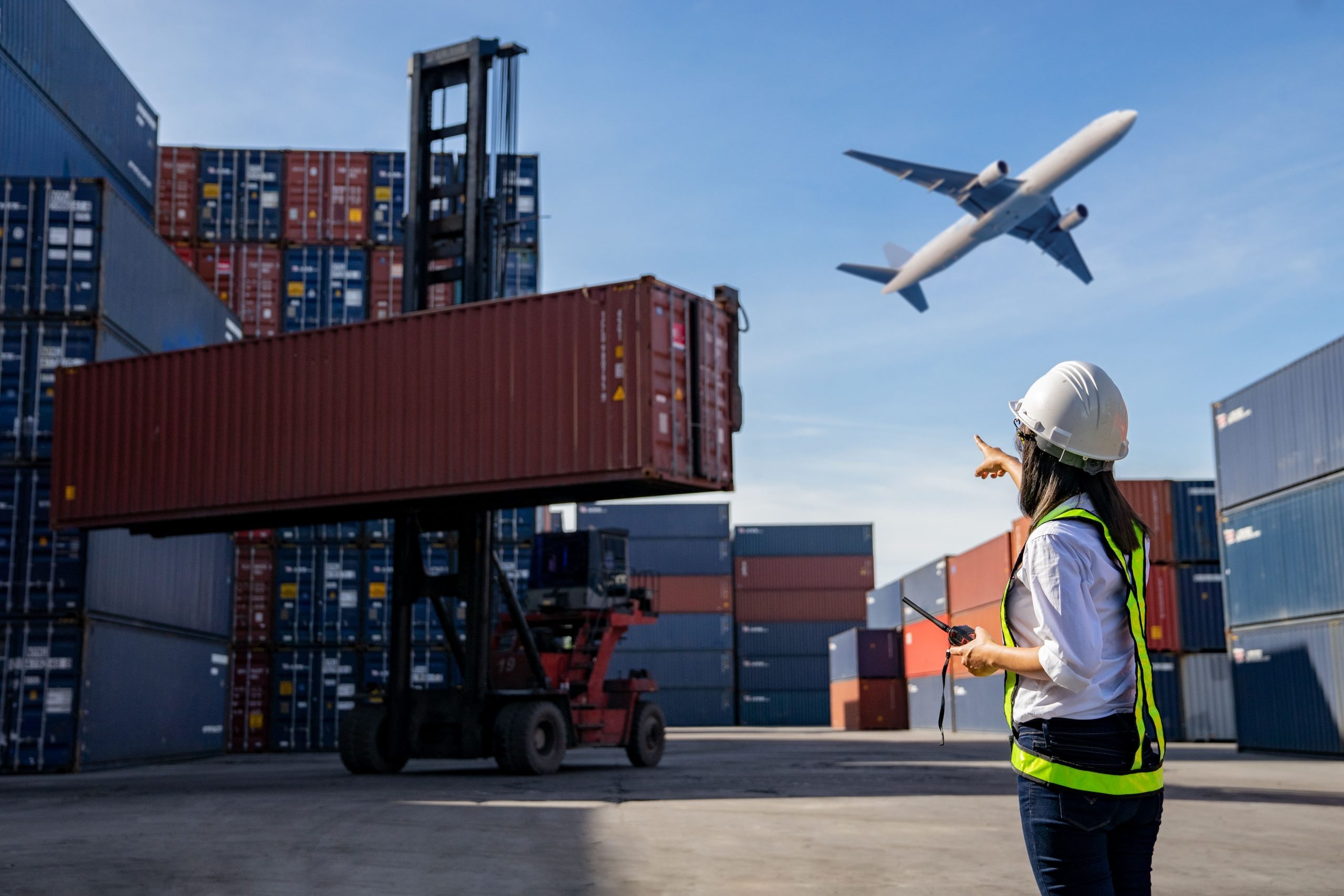
Indonesia freight forwarding market is entering a more decisive phase as trade volumes rise, manufacturing activity spreads beyond Java, and supply chains become harder to manage without specialist logistics support. For a country made up of more than 17,000 islands, freight movement has never been a simple trucking problem. It is a coordination problem across ports, customs desks, warehouses, feeder vessels, air cargo lanes, and inland distribution routes. As of 2026, businesses in Indonesia are relying more heavily on freight forwarders not just to move cargo, but to reduce delays, manage paperwork, and keep costs from spiraling in a market where inefficiency can quietly erode margins.
What’s Driving the Freight Forwarding Market in Indonesia?
Expanding Trade and Industrial Cargo Movement
Indonesia’s role in regional trade has widened over the last few years, particularly across sectors such as automotive parts, electronics, processed foods, chemicals, and textiles. That naturally creates more work for freight forwarders, but the real shift is in complexity rather than volume alone. Exporters today are not just looking for a booking agent. They want shipment planning, customs handling, route flexibility, and better control over delivery timelines. This matters even more as industrial activity expands into zones outside traditional manufacturing centers. A shipment moving from an industrial park in Central Java or Sulawesi to a buyer in Singapore or China often requires multiple handoffs. In practice, that means companies increasingly prefer forwarding partners who can manage the full chain rather than separate vendors at each stage.
E-Commerce and Inter-Island Distribution Pressure
Indonesia’s digital retail boom has quietly reshaped freight requirements. The country’s geography makes distribution unusually expensive, especially when sellers need to serve both dense urban areas and remote secondary cities. Freight forwarders are stepping in to support inventory movement between fulfillment hubs, retail warehouses, and regional ports. On the ground, one of the biggest shifts is that speed alone is no longer enough. Businesses now want predictability. A delayed shipment to eastern Indonesia can disrupt retail availability for days, sometimes longer, which directly affects customer retention. That is why forwarding firms with better consolidation models and stronger domestic cargo networks are finding more traction than those focused only on basic transport coordination.
Port Upgrades and Logistics Infrastructure Buildout
Infrastructure has been a long-standing bottleneck in Indonesia, but the picture is gradually improving. Port modernization, toll road expansion, and logistics corridor development are helping reduce some of the friction that historically made freight movement expensive and inconsistent. Major gateways such as Tanjung Priok and Tanjung Perak continue to play central roles, while secondary ports are becoming more relevant for regional cargo flows. That said, infrastructure improvements do not solve everything overnight. Better roads and upgraded terminals help, but operational efficiency still depends on how well freight providers coordinate schedules, documentation, and inland transfer. The winners in this market are likely to be firms that know how to translate infrastructure improvements into actual service reliability.
Government-Led Initiatives Supporting Logistics Efficiency
The Indonesian government has been trying to reduce national logistics costs for years, and there has been visible progress in customs digitization, port connectivity, and multimodal transport planning. Measures linked to the National Logistics Ecosystem and broader trade facilitation reforms are making cargo movement somewhat less fragmented than before. For freight forwarders, this creates room to offer more value-added services instead of functioning purely as intermediaries. There is also a practical upside for manufacturers and importers: fewer paperwork bottlenecks, better shipment visibility, and more predictable lead times. The gap between policy intent and on-ground execution still exists, but the direction is clearly favorable.
Market Competition
Indonesia freight forwarding market remains moderately fragmented. International logistics companies bring scale, technology platforms, and cross-border customer relationships, while local operators often perform better in domestic coordination, port handling, and customs familiarity. That local edge still matters a lot in Indonesia. Competition is no longer just about freight rates. Buyers increasingly care about shipment tracking, exception handling, warehousing support, and how quickly a provider can resolve delays when something goes wrong. In a market like Indonesia, reliability often wins over the cheapest quote.
Geographic Complexity and Cost Volatility
A common challenge in Indonesia freight forwarding market is that geography works against efficiency. Serving a vast archipelago means cargo often moves through several transport legs before reaching its final destination. That adds time, handling risk, and cost. Fuel price fluctuations, port congestion, and uneven infrastructure quality outside core corridors only make the situation harder. For many operators, the challenge is not demand. It is maintaining service consistency across a country where the logistics map is still uneven.
Future Outlook
Indonesia freight forwarding market is likely to become more sophisticated by 2035 as trade patterns diversify and clients demand tighter control over supply chains. Freight forwarders will need to do more than book cargo space. The market is moving toward integrated service models that combine transport planning, warehousing, customs support, and real-time visibility.
Consultants at Nexdigm, in their latest publication “Indonesia Freight Forwarding Market Outlook to 2035”, analyzed the market by Mode of Transport (Air Freight, Ocean Freight, Road Freight, Rail Freight, Multimodal Freight), By End User (Manufacturing, Retail & E-Commerce, Automotive, Healthcare, Food & Beverages, Chemicals, Others), and By Service Type (Customs Brokerage, Warehousing, Transportation, Value-Added Services, End-to-End Freight Management). Nexdigm believes businesses should focus on multimodal efficiency, digital shipment tracking, and sector-specific service capabilities as the market matures over the next decade.
To take the next step, simply visit our Request a Consultation page and share your requirements with us.
Harsh Mittal
+91-8422857704