
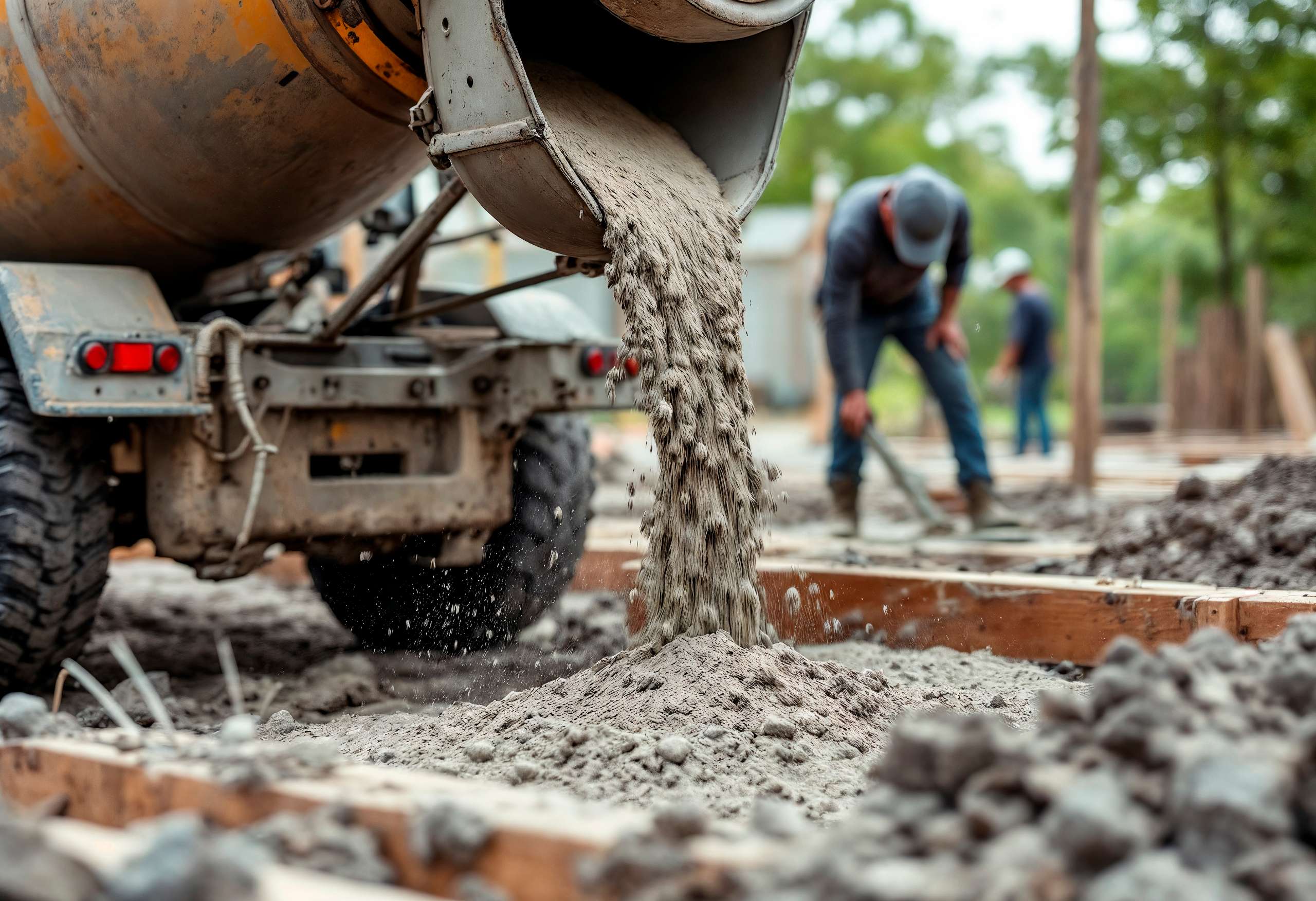
Indonesia’s green cement market is gaining significant momentum as the country accelerates infrastructure expansion, industrial development, and sustainable urbanization. As Southeast Asia’s largest economy, Indonesia maintains one of the region’s largest construction sectors, supported by a population exceeding 280 million and an urbanization rate above 58%. The government’s long-term infrastructure pipeline, estimated at more than USD 400 billion, continues to drive demand for construction materials across transportation, energy, housing, and industrial projects. As environmental regulations tighten and developers increasingly prioritize sustainable construction practices, green cement is emerging as a critical solution for reducing embodied carbon emissions while supporting Indonesia’s growing infrastructure needs.
Key Market Drivers for Indonesia’s Green Cement Industry
Infrastructure and New Capital City Development Drive Demand for Sustainable Materials
Indonesia’s ambitious infrastructure agenda remains a major growth driver for green cement adoption. The country has announced infrastructure investments exceeding USD 400 billion, covering highways, airports, seaports, railways, renewable energy facilities, and industrial corridors. In addition, the development of the new capital city, Nusantara (IKN), is creating substantial demand for sustainable building materials as authorities emphasize low-carbon and environmentally responsible construction practices. These large-scale projects are increasing interest in green cement solutions that can support sustainability objectives while meeting the requirements of modern infrastructure development.
Rapid Urbanization and Rising Housing Demand Support Market Expansion
Indonesia’s urban population now exceeds 58% of the total population and continues to grow steadily, driving substantial demand for residential, commercial, and mixed-use developments. The country faces a housing backlog estimated at more than 12 million housing units, creating long-term opportunities for construction activity. As developers increasingly adopt green building principles and seek environmentally friendly construction materials, demand is rising for green cement products that offer lower carbon footprints without compromising structural strength or durability.
Industrial Growth and Net-Zero Commitments Accelerate Green Cement Adoption
Indonesia continues to strengthen its position as a regional manufacturing and industrial hub, particularly in sectors such as mining, metals processing, electric vehicles, and renewable energy. The country has committed to achieving net-zero emissions by 2060, encouraging industries to adopt lower-carbon technologies and sustainable materials. Additionally, growing ESG commitments among investors and project developers are increasing demand for green construction products. Green cement is benefiting from these trends as stakeholders focus on reducing lifecycle emissions and improving environmental performance across infrastructure and industrial projects.
Government Support and Sustainability Initiatives Backed by Net-Zero Commitments, USD 400 Billion Infrastructure Plans, and Green Development Programs
Indonesia’s government is actively promoting sustainable construction through infrastructure modernization, industrial decarbonization initiatives, and climate action policies. The country’s commitment to achieving net-zero emissions by 2060, combined with infrastructure investments exceeding USD 400 billion, is encouraging greater adoption of low-carbon building materials. Additionally, sustainable development strategies associated with Nusantara (IKN), renewable energy projects, and green building initiatives are creating favorable conditions for the utilization of environmentally responsible cement products across public and private construction projects.
Competitive Landscape Supported by Strong Cement Demand and Expanding Sustainable Construction Activity
Indonesia’s green cement market operates within one of Asia’s largest cement industries, with annual cement consumption exceeding 60 million tons and supported by a population of more than 280 million people. Market participants are increasingly investing in clinker-reduction technologies, alternative fuels, industrial by-products, and energy-efficient manufacturing processes to improve sustainability performance. Competition is primarily based on environmental credentials, product quality, production efficiency, carbon-reduction capabilities, and technical expertise. As demand grows green infrastructure, industrial facilities, and sustainable real estate projects, suppliers offering advanced low-carbon cement solutions are expected to strengthen their competitive position.
Major Challenges Facing Indonesia’s Green Cement Industry
Higher Initial Costs and Limited Price Sensitivity
Green cement production often involves advanced technologies, alternative materials, and sustainability certifications, which can increase production costs. In many construction segments, developers remain highly focused on upfront project expenses, creating challenges for premium-priced sustainable materials.
Supply Chain and Sustainable Material Availability Constraints
The expansion of green cement production depends on the reliable availability of supplementary cementitious materials, alternative fuels, and industrial by-products. Ensuring consistent quality and supply across Indonesia’s geographically dispersed regions remains a challenge for manufacturers seeking to scale sustainable production capabilities.
Future Outlook
Indonesia’s green cement market is expected to experience strong growth through 2035, supported by infrastructure investments exceeding USD 400 billion, urbanization above 58%, and a housing backlog of more than 12 million units. Increasing implementation of ESG strategies, expansion of renewable energy projects, and development of sustainable urban infrastructure are expected to accelerate demand for low-carbon building materials. Furthermore, the country’s net-zero ambitions, growing industrial activity, and focusing on resource-efficient construction practices will create significant opportunities for green cement adoption. Technological innovation, alternative raw material utilization, and circular economy initiatives will further strengthen long-term market growth.
Consultants at Nexdigm, in their latest publication “ Indonesia Green Cement Market Outlook to 2035,” analyse the sector By Product Type (PCC Type 1P, PCC Type 1P-M and Sulfate-Resistant PCC), By Geographical Region Greater Jakarta Area and Sumatra Regional Hub) and By Distribution Channel (Direct B2B Project Supply, Ready-Mix Concrete Plants and Government Tender Procurement).
Nexdigm suggests that businesses in Indonesia’s Green Cement Industry focus on expanding low-carbon manufacturing capabilities, increasing the utilization of industrial by-products and alternative fuels, and strengthening partnerships with infrastructure developers, industrial investors, and sustainable construction stakeholders to capitalize on the growing demand for environmentally responsible building materials and green urban development projects.
To take the next step, simply visit our Request a Consultation page and share your requirements with us.
Harsh Mittal
+91-8422857704