
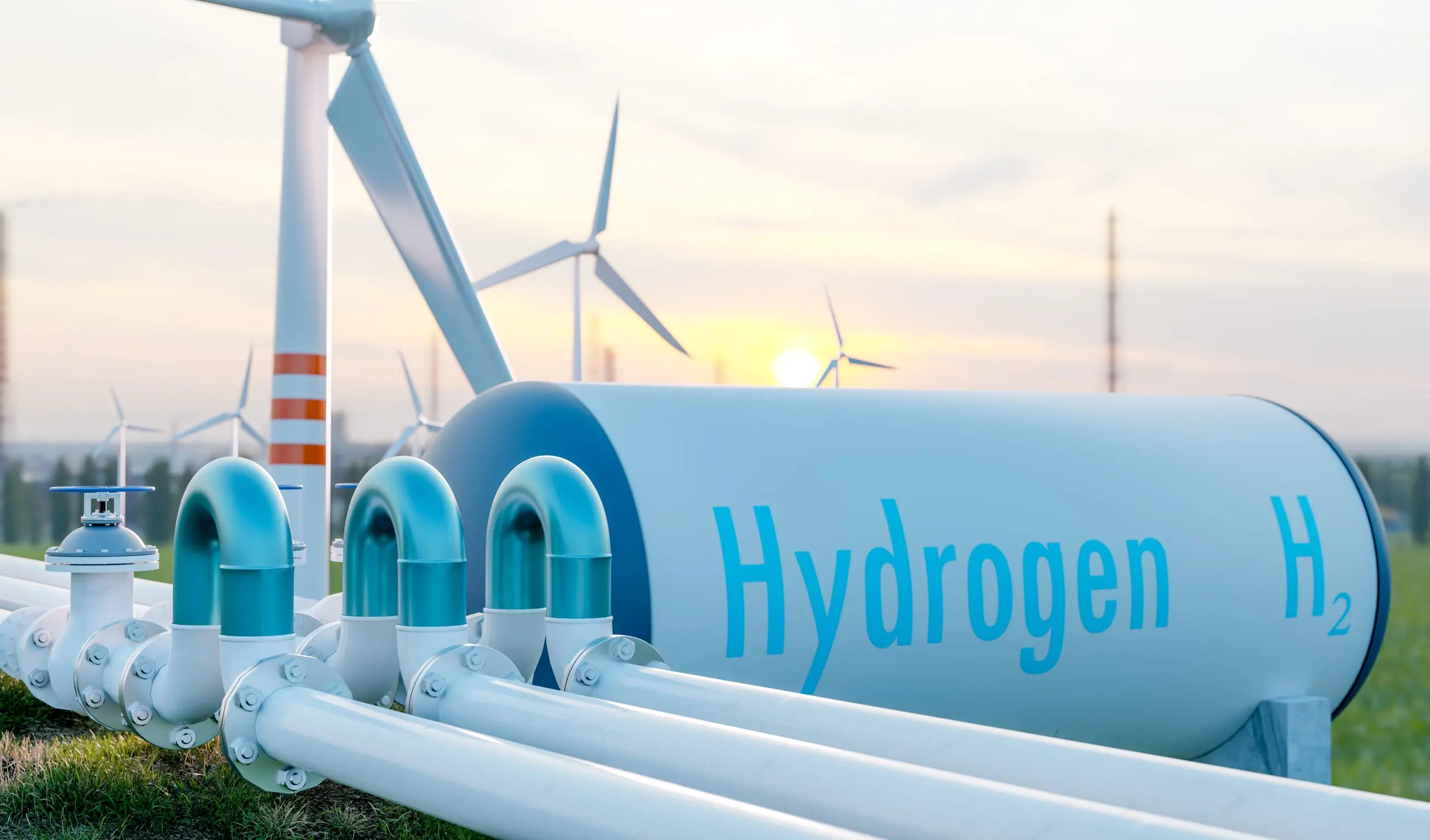
Indonesia’s green hydrogen market is set to become a significant component of the country’s broader clean energy transition strategy through 2035. Leveraging abundant renewable energy resources — including solar, wind, and hydropower — Jakarta has positioned hydrogen as a strategic low‑carbon fuel that can reduce dependence on fossil fuels and support net‑zero emissions goals. Indonesia currently consumes hydrogen primarily in industrial applications but plans to expand production and utilize green hydrogen across transportation, power generation, and export markets. The outlook to 2035 shows accelerating interest from public and private sectors alike as policy frameworks and project pipelines evolve.
Key Drivers Fueling Indonesia Green Hydrogen Market Growth
Renewable Energy Potential and Energy Transition Goals
One of the most critical drivers for Indonesia’s green hydrogen market is its vast renewable energy potential. Indonesia has significant solar, wind, and hydropower resources that can be harnessed to produce green hydrogen via electrolyzes powered by clean electricity. This aligns with national plans to increase the share of renewables in the energy mix and decarbonize hard‑to‑abate sectors such as heavy industry and transport — particularly as the country targets net‑zero emissions by 2060.
Growing Industrial and Export Demand
Indonesia’s established industrial base, including ammonia, fertilizer, and refinery sectors, already consumes approximately 1.75 million tons of hydrogen per year, predominantly from fossil sources. Transitioning to green hydrogen in these sectors can yield greenhouse gas reductions and incentivize new investments. Demand projections suggest that hydrogen requirements could more than double by 2030 and increase more than fourfold by 2040, with applications extending into steel, methanol, and cement production.
Government Policies and Strategic Initiatives Supporting Green Hydrogen Development
The Indonesian government has integrated hydrogen into its National Hydrogen Strategy and broader renewable energy policies, targeting phased deployment starting from 2031. State‑owned enterprises are already exploring pilot projects for hydrogen production and utilization, and the roadmap outlines a framework to strengthen regulation, capacity, and infrastructure. Indonesia aims to support hydrogen as both a domestic energy solution and an export commodity, particularly to regional markets in Asia.
Key Players and Strategic Developments in Indonesia Green Hydrogen Market
While still nascent, Indonesia’s hydrogen sector includes active participation from key state groups such as Pertamina and PLN, along with international collaborators on feasibility studies and pilot schemes. Early mover projects and commercial partnerships are positioning companies to scale production and develop supply chains as demand grows. Comparative international interest suggests Indonesia could become a regional hub for clean hydrogen, leveraging its renewable resources and port infrastructure.
Challenges Hindering the Growth of Indonesia Green Hydrogen Market
High Production Costs and Regulatory Gaps
Green hydrogen production remains cost‑intensive compared with fossil‑based alternatives, largely due to electrolyze costs and the need for abundant low‑cost renewable power. Regulatory frameworks and safety standards are still under development, which delays large‑scale deployment and investment certainty. These economic and policy barriers may slow market uptake without targeted incentives or cost reduction mechanisms.
Infrastructure and Grid Integration
Development of hydrogen infrastructure — including production facilities, storage, and transport networks — is limited. Indonesia’s archipelagic geography poses additional logistical challenges for distributing hydrogen between production centers and end‑users. Coordinated planning and investment are necessary to integrate hydrogen into the broader energy system efficiently.
Future Outlook
By 2035, Indonesia’s green hydrogen market is expected to shift from planning and pilot phases toward commercialization and scaling. The industry’s evolution will be driven by falling renewable electricity costs, improvements in electrolyze efficiency, and clearer regulatory frameworks. As demand from industrial and transport sectors increases, Indonesia may also begin exporting hydrogen derivatives such as ammonia to regional markets. Continued collaboration between government, investors, and international partners will be crucial to achieving competitive production costs and realizing the full potential of hydrogen as a cornerstone of Indonesia’s energy transition.
Consultants at Nexdigm, in their latest publication “Indonesia Green Hydrogen Market Outlook to 2035,” analyze the sector by System Type (Electrolyze-based Hydrogen Production, Biomass-based Hydrogen Production, Natural Gas Reforming with Carbon Capture, Coal Gasification with Carbon Capture), By Platform Type (On-site Hydrogen Production, Off-site Hydrogen Production, Hybrid Systems), and By Fitment Type (On-grid Solutions, Off-grid Solutions, Modular Solutions). Nexdigm suggests that businesses should align their strategies with the growing demand for sustainable energy solutions, particularly focusing on green hydrogen, which presents a significant opportunity for companies to tap into Indonesia’s evolving clean energy market. By leveraging government support, fostering strategic partnerships, and overcoming infrastructure and cost-related challenges, businesses can position themselves as key players in the transition to a low-carbon economy.
To take the next step, simply visit our Request a Consultation page and share your requirements with us.
Harsh Mittal
+91-8422857704