
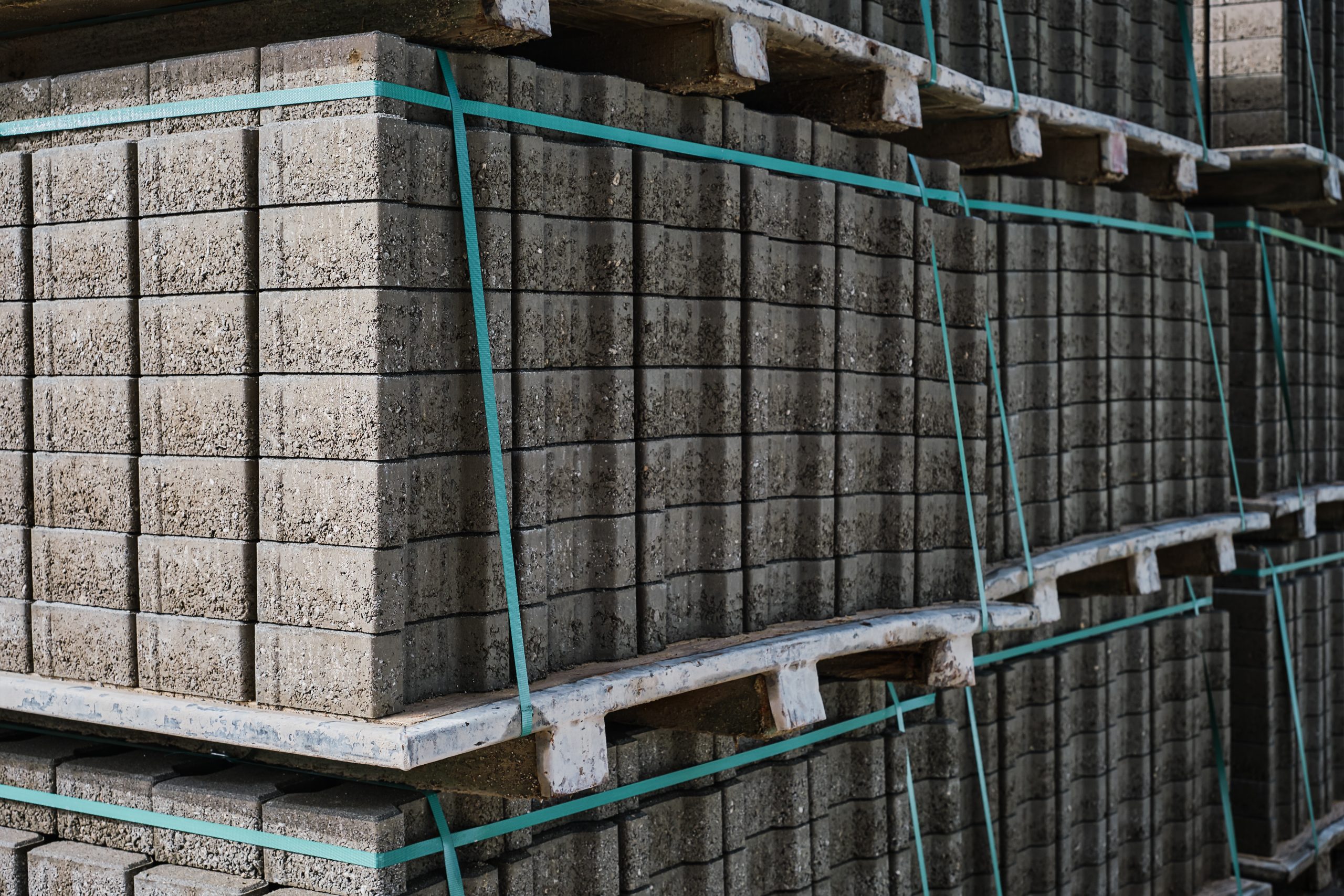
Indonesia’s construction industry is creating new opportunities for the hollow concrete blocks market, supported by rapid urbanisation, infrastructure expansion, and increasing demand for affordable housing. Hollow concrete blocks are becoming an important building material due to their durability, lightweight structure, thermal insulation properties, and relatively efficient installation. Their use across residential, commercial, and industrial projects is gaining attention as developers look for cost-effective construction solutions. By 2035, the market is expected to benefit from Indonesia’s growing housing requirements, infrastructure investments, and gradual shift towards more efficient and sustainable building practices.
Key Market Drivers Supporting the Indonesia Hollow Concrete Blocks Industry
Rising Urbanisation and Residential Construction
Urbanisation is one of the strongest demand generators for hollow concrete blocks in Indonesia. According to World Bank data, approximately 59.39% of Indonesia’s population lived in urban areas in 2025, increasing the need for apartments, housing communities, commercial buildings, and supporting infrastructure. Jakarta, Surabaya, Bandung, and other expanding urban centres are witnessing continued construction activity. Hollow concrete blocks offer developers a practical solution for wall construction, helping reduce structural weight and installation time while maintaining adequate strength for suitable building applications.
Government-Led Affordable Housing and Infrastructure Development
Indonesia’s affordable housing agenda is creating a favourable environment for construction material suppliers. The government’s ambitious 3 Million Homes Programme is expected to encourage large-scale residential development, particularly for low- and middle-income households. Additionally, infrastructure improvements, industrial estates, transportation facilities, and commercial developments are supporting demand for concrete-based building products. The construction sector’s estimated demand reached IDR 403 trillion in 2025, according to Rider Levett Bucknall, highlighting the scale of potential opportunities for material manufacturers.
Preference for Cost-Efficient and Efficient Building Materials
Builders are increasingly considering materials that balance affordability, durability, and construction efficiency. Hollow concrete blocks contain internal cavities that reduce material consumption and overall unit weight compared with equivalent solid concrete units. Their larger dimensions can also reduce the number of individual units required for wall construction. Furthermore, their potential insulation benefits and compatibility with standard masonry techniques make them attractive for residential, industrial, and commercial projects. Growing interest in resource-efficient construction is likely to encourage manufacturers to improve block designs, production processes, and product quality.
Government Initiatives Strengthening Market Development
The Indonesian government is supporting construction activity through affordable housing programmes, infrastructure investments, and policies aimed at improving access to housing finance. The 3 Million Homes Programme is a significant demand catalyst, while the Housing Financing Liquidity Facility (FLPP) supports subsidised mortgages for eligible households. In 2025, the government allocated approximately IDR 18.77 trillion to FLPP, targeting 220,000 housing units. These initiatives are expected to generate opportunities for domestic construction material manufacturers, including hollow concrete block producers.
Competitive Landscape of Indonesia’s Hollow Concrete Blocks Industry
The Indonesian hollow concrete blocks market includes established cement manufacturers, precast concrete companies, and regional masonry producers. Companies such as Semen Indonesia (SIG), Indocement Tunggal Prakarsa, Waskita Beton Precast, and Wijaya Karya Beton are relevant participants in the broader concrete and construction materials ecosystem. Competition is influenced by product consistency, pricing, distribution reach, production capacity, and compliance with construction standards. Regional suppliers also play an important role by serving local contractors and smaller projects.
Market Challenges Affecting Indonesia’s Hollow Concrete Blocks Industry
Fluctuating Raw Material and Transportation Costs
The production of hollow concrete blocks depends heavily on cement, sand, aggregates, water, and energy. Fluctuations in raw material prices can increase manufacturing expenses and put pressure on profit margins, particularly for smaller producers. Indonesia’s archipelagic geography also creates logistical challenges, as transporting heavy construction materials between islands can increase distribution costs and affect product availability.
Quality Consistency and Market Competition
The presence of numerous regional manufacturers creates intense price competition. Smaller producers may face difficulties investing in automated machinery, advanced production technology, and consistent quality-control systems. Differences in block dimensions, compressive strength, and finishing quality can also influence buyer confidence. Manufacturers must therefore focus on standardised production, reliable testing, and competitive pricing to strengthen their market positions.
Future Outlook
The Indonesia hollow concrete blocks market is expected to witness steady growth through 2035, supported by affordable housing demand, urban expansion, and infrastructure development. Increasing construction activity in secondary cities and emerging industrial regions will create additional opportunities for manufacturers and distributors. Technological improvements, automated production lines, and the development of lightweight and environmentally responsible blocks are likely to shape the competitive landscape. Companies investing in production efficiency, product innovation, and wider distribution networks will be better positioned to capture future demand. Overall, the market’s long-term prospects remain positive as Indonesia continues strengthening its built environment.
Consultants at Nexdigm, in their latest publication “Indonesia Hollow Concrete Blocks Market Outlook to 2035,” analyze the sector by Product Specification (Load-Bearing Hollow Blocks, Non-Load Bearing Partition Blocks, Interlocking Technology Types, Aggregate Composition Variants), By Construction Application (Residential Housing Development, Government Infrastructure Projects, Commercial Building Construction), and By Distribution Channel (Direct-To-Developer Supply Agreements, Building Materials Retail Distributors, Government Procurement Tenders).
Nexdigm suggests that businesses should focus on expanding production capacity, strengthening regional distribution networks, and adopting cost-efficient manufacturing technologies to capitalise on Indonesia’s growing construction demand. Prioritising product quality, competitive pricing, and sustainable building solutions will help manufacturers strengthen market positioning and capture emerging opportunities through 2035.
To take the next step, simply visit our Request a Consultation page and share your requirements with us.
Harsh Mittal
+91-8422857704