
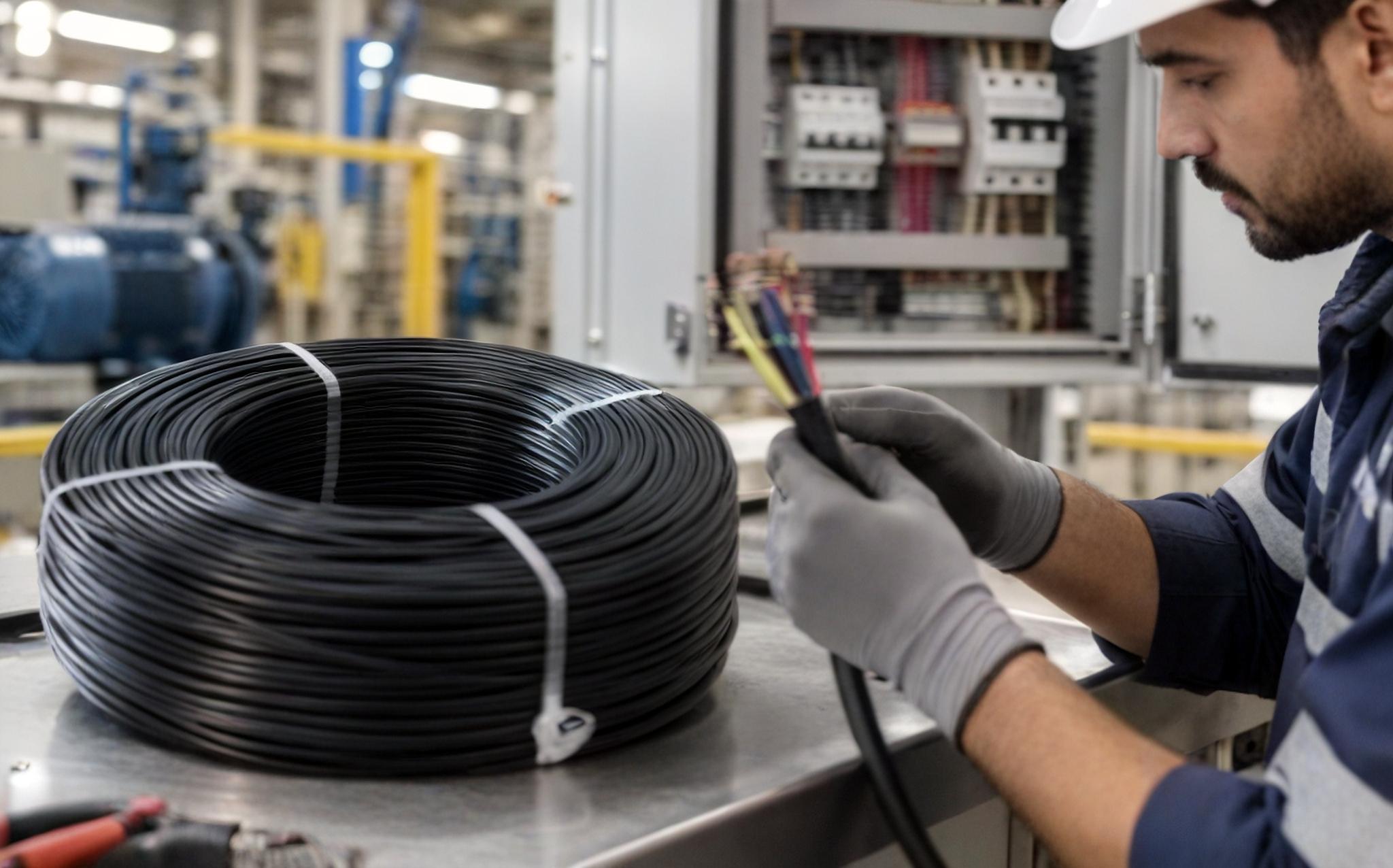
Indonesia’s low voltage cable industry plays a vital role in connecting homes, businesses, manufacturing facilities, and energy infrastructure across one of Southeast Asia’s largest economies. As urbanization accelerates and electricity demand continues to rise, low voltage cables are becoming an essential component of the country’s development journey. With Indonesia’s population exceeding 280 million and electrification levels reaching almost all regions, reliable cable networks are crucial for power distribution, commercial construction, and industrial growth. Growing investments in smart cities, transportation systems, renewable energy projects, and residential developments are further creating strong opportunities for low voltage cable manufacturers operating in the country.
Market Drivers Advancing the Indonesia Low Voltage Cable Industry
Expanding Infrastructure and Construction Activities
Indonesia continues to invest heavily in roads, industrial estates, airports, ports, housing projects, and public utilities. The development of the new capital city Nusantara has generated significant demand for electrical infrastructure, including low voltage cables used in buildings, street lighting, and utility networks. Rising urban populations are also fueling demand for residential and commercial construction projects, creating a steady requirement for dependable cable solutions.
Rising Electricity Consumption Across Industries
Indonesia’s growing economy has led to increasing power consumption from manufacturing, mining, data centers, retail facilities, and residential users. The country’s installed electricity capacity exceeds 90 GW, supporting expanding industrial activity and household electrification. As utilities upgrade aging distribution systems and expand grid connectivity, demand for low voltage cables continues to strengthen across urban and rural regions alike.
Renewable Energy and Digital Infrastructure Development
Indonesia is accelerating renewable energy deployment, including solar, hydro, and geothermal projects. Every renewable installation requires extensive cable networks for efficient power transmission and distribution. In parallel, the rapid growth of telecommunications networks, fiber connectivity, and data centers is creating additional demand for specialized low voltage cabling solutions. Increasing digitalization is therefore becoming an important growth engine for industry participants.
Government Policies Support Indonesia Low Voltage Cable Industry
Government initiatives aimed at improving energy access, supporting industrialization, and modernizing infrastructure are positively influencing demand for low voltage cables. Programs focused on electricity distribution expansion, smart city development, renewable energy integration, and strategic national infrastructure projects continue to stimulate investment. Incentives encouraging domestic manufacturing and local content utilization are also helping strengthen Indonesia’s cable production ecosystem while reducing dependency on imports.
Competitive Landscape of Indonesia Low Voltage Cable Sector
The Indonesian low voltage cable market features a mix of established domestic manufacturers and international suppliers. Key participants compete through product quality, compliance with safety standards, technological innovation, and distribution reach. Leading companies focus on expanding production capacity, developing fire-resistant and energy-efficient cable solutions, and forming partnerships with construction firms, utilities, and industrial customers. The market remains moderately competitive, with strong emphasis on reliability and performance.
Challenges Facing the Indonesia Low Voltage Cable Industry
Raw Material Price Volatility
Copper and aluminum account for a significant portion of cable production costs. Fluctuations in global commodity prices can impact manufacturer profitability and make long-term project planning more challenging. Companies must carefully manage procurement strategies to mitigate cost pressures.
Compliance and Quality Expectations
As infrastructure projects become more sophisticated, buyers increasingly demand cables that meet strict safety, environmental, and performance requirements. Manufacturers face ongoing pressure to maintain certification standards while controlling production expenses in a highly competitive environment.
Future Outlook
The future of Indonesia’s low voltage cable industry remains highly promising as the nation continues its transformation into a modern industrial and digital economy. Ongoing investments in urban infrastructure, renewable energy plants, smart cities, industrial parks, and electrification projects are expected to sustain robust demand. The development of Nusantara, expansion of data center facilities, and increasing adoption of advanced electrical systems will create new growth avenues. Companies that prioritize innovation, product quality, and sustainable manufacturing practices are likely to be best positioned to capitalize on Indonesia’s evolving infrastructure and energy landscape.
Consultants at Nexdigm, in their latest publication “Indonesia Low Voltage Cable Market to 2035″ analyze the sector By Product Type (Power Cables, Overhead Conductors and Specialty Cables), By End User Industry (Utilities, Residential Construction and Commercial Real Estate) and By Conductor Material (Copper Conductor and Aluminum Conductor).
Nexdigm suggests that businesses in “Indonesia Low Voltage Cable Industry” focusses on oilfield, desalination, construction, and industrial applications, strengthen local warehousing, develop application-specific grades, improve technical support, and build resilient sourcing networks to serve expanding energy, water, and manufacturing demand.
To take the next step, simply visit our Request a Consultation page and share your requirements with us.
Harsh Mittal
+91-8422857704