
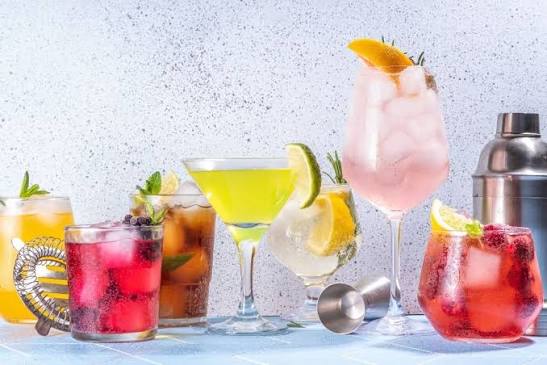
Indonesia’s non-alcoholic beverages industry is evolving alongside changing consumer lifestyles, rising urbanization, and growing health awareness. With a population of approximately 280 million people, Indonesia represents one of Southeast Asia’s largest consumer markets. The country’s expanding consumer base continues to support demand for bottled water, ready-to-drink tea, coffee beverages, juices, functional drinks, and low-sugar alternatives. Indonesia’s beverage industry generates an estimated USD 25 billion in revenue, while non-alcoholic beverage production exceeds 120 billion liters annually, highlighting the sector’s significant scale and economic importance.
Market Drivers Advancing the Indonesia’s Non-Alcoholic Beverages Industry
Rising Urbanization and Expanding Consumer Spending
One of the strongest drivers of beverage consumption is Indonesia’s growing urban population and consumer spending power. More than 52 million Indonesians are considered economically secure consumers, while the middle-class and aspiring middle-class segments account for over 66% of the population and contribute heavily to household spending. As busy lifestyles become more common, consumers increasingly prefer convenient ready-to-drink beverages that fit modern consumption habits. Convenience stores, supermarkets, and online grocery platforms have also improved product accessibility across major cities, making beverage purchases easier than ever.
Growing Preference for Healthier and Functional Drinks
Health-conscious consumers are reshaping beverage demand throughout Indonesia. Many shoppers are reducing sugar intake and seeking products that offer hydration, vitamins, minerals, probiotics, or natural ingredients. Low-sugar and zero-calorie beverages are reportedly growing faster than the broader soft drinks category, while functional water products continue gaining visibility in urban areas. Producers are responding by introducing healthier formulations, natural sweeteners, and wellness-focused beverage portfolios.
Strong Demand for Bottled Water and RTD Beverages
Safe drinking water remains a priority for many Indonesian households. Average bottled water consumption stands at roughly 65 liters per person annually, making bottled water one of the country’s largest beverage segments. The market features more than 500 bottled water brands competing across premium and value categories. Ready-to-drink tea and coffee beverages also enjoy strong consumer acceptance because of Indonesia’s deep-rooted tea and coffee culture.
Government Initiatives Supporting the Indonesia’s Non-Alcoholic Beverages Sector
The Indonesian government continues to support food and beverage manufacturing through industrial modernization programs, investments in food safety standards, and incentives that encourage domestic production. Regulatory efforts promoting proper product labeling, halal certification compliance, and quality assurance help strengthen consumer confidence. Sustainability initiatives aimed at increasing recycled packaging usage and reducing plastic waste are also encouraging beverage companies to adopt environmentally responsible practices while maintaining long-term industry growth.
Competitive Landscape of Indonesia Non-Alcoholic Beverages Industry
Indonesia’s non-alcoholic beverages market is highly competitive, featuring a mix of global corporations and strong domestic brands. Major participants include Danone (AQUA), Coca-Cola Europacific Partners Indonesia, Mayora Group, Wings Food, Nestlé Indonesia, and various regional beverage manufacturers. Innovation in packaging, health-focused beverages, premium offerings, and digital marketing strategies continues to shape competition. Companies are increasingly investing in product differentiation to attract younger consumers and strengthen brand loyalty.
Challenges Facing Indonesia’s Non-Alcoholic Beverage Industry
Rising Packaging and Raw Material Costs
Manufacturers face ongoing cost pressures from fluctuating prices of sugar, packaging materials, PET resin, and imported ingredients. These challenges can affect profit margins and increase retail prices, particularly for smaller beverage producers.
Logistics Complexity Across the Archipelago
Indonesia’s geography presents unique distribution challenges. Serving consumers across more than 17,000 islands requires extensive logistics networks and transportation infrastructure. Distribution costs in remote regions can be significantly higher than in Java, limiting market reach and creating operational complexities for beverage companies.
Future Outlook
The future of Indonesia’s non-alcoholic beverages market remains highly promising. Continued urbanization, digital retail expansion, and rising consumer interest in health and wellness are expected to create new growth opportunities. Functional beverages, low-sugar drinks, plant-based alternatives, premium bottled water, and sustainable packaging solutions are likely to gain further momentum. As companies continue investing in innovation and distribution capabilities, Indonesia’s large consumer base and evolving preferences will keep the non-alcoholic beverages industry on a strong long-term growth trajectory, making it one of Southeast Asia’s most attractive beverage markets.
Consultants at Nexdigm, in their latest publication “Indonesia Non-Alcoholic Beverages Market Outlook to 2035” analyze the sector By Beverage Product Type (Cola-Flavored Sodas, Fruit-Flavored Sodas and Sugar-Free Variants), By Consumer Demographics (Generation Z, Millennials and Generation X) and By Distribution Channel (Modern Retailers and Traditional General Trade)
Nexdigm suggests that businesses in “Indonesia Non-Alcoholic Beverages Industry” focusses on oilfield, desalination, construction, and industrial applications, strengthen local warehousing, develop application-specific grades, improve technical support, and build resilient sourcing networks to serve expanding energy, water, and manufacturing demand.
To take the next step, simply visit our Request a Consultation page and share your requirements with us.
Harsh Mittal
+91-8422857704