
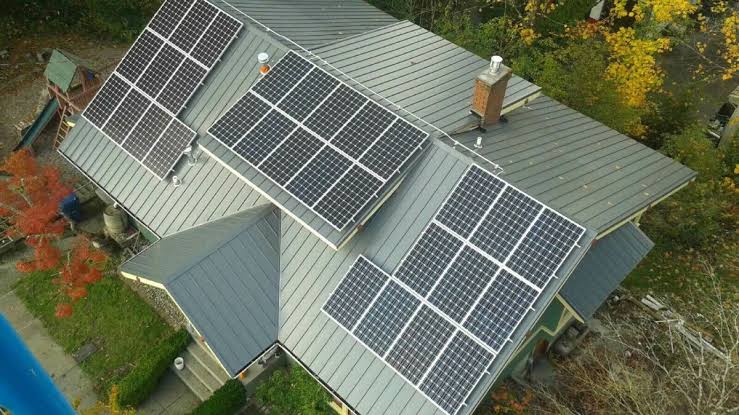
Indonesia’s off-grid solar energy market is becoming a lifeline for remote communities spread across one of the world’s largest archipelagos. While major cities enjoy reliable electricity access, many rural and island regions still require decentralized power solutions. Off-grid solar systems are increasingly filling this gap by providing affordable, clean, and dependable electricity to households, schools, healthcare facilities, and small businesses. With abundant solar resources, growing energy demand, and strong government support, the sector is emerging as a key component of Indonesia’s broader energy transition strategy.
Market Drivers Advancing the Indonesia Off-Grid Solar Energy Industry
Reaching Communities Beyond the Main Grid
Indonesia’s geography presents unique electrification challenges. Thousands of inhabited islands are located far from conventional transmission infrastructure, making grid expansion expensive and technically difficult. According to Indonesia’s Ministry of Energy and Mineral Resources, more than 100 villages previously lacked electricity access, highlighting the ongoing need for decentralized energy solutions. Off-grid solar installations provide a practical alternative by delivering electricity directly to remote communities. These systems support essential services such as lighting, refrigeration, communication networks, and water pumping, significantly improving quality of life.
Falling Solar Technology Costs Increase Adoption
The declining cost of solar photovoltaic panels and battery storage systems has improved the economic viability of off-grid projects across Indonesia. Advances in battery technology allow solar systems to provide power even after sunset, making them increasingly reliable for households and businesses. Indonesia also possesses enormous solar potential. Studies from the Institute for Essential Services Reform (IESR) highlight solar PV as one of the country’s most significant renewable energy resources capable of strengthening energy security and reducing reliance on fossil fuels.
Rising Demand for Sustainable and Reliable Energy
Communities, businesses, tourism operators, and agricultural enterprises are increasingly seeking clean energy alternatives. Off-grid solar systems help reduce fuel transportation costs associated with diesel generators while lowering carbon emissions. For remote islands dependent on imported fuel, solar energy offers greater energy independence and more predictable operating expenses. This economic advantage continues to encourage investment in off-grid projects across the country.
Government Initiatives Supporting the Indonesia Off-Grid Solar Energy Industry
The Indonesian government has positioned renewable energy as a strategic priority within its national energy development plans. Various rural electrification initiatives have promoted solar-powered systems for remote villages and isolated communities. Programs such as solar home systems and village-scale renewable energy projects have helped extend electricity access where grid expansion is not feasible. Government collaboration with domestic and international organizations further supports deployment and financing of off-grid solar infrastructure.
Competitive Landscape of Indonesia Off-Grid Solar Energy Industry
The competitive environment includes solar developers, engineering and procurement contractors, battery suppliers, microgrid operators, and international renewable energy companies. Major participants focus on community solar projects, hybrid microgrids, and solar-plus-storage solutions. Partnerships between government agencies, utilities, technology providers, and development organizations are becoming increasingly common as market players seek to expand access across Indonesia’s remote regions.
Challenges Indonesia Off-Grid Solar Energy Sector
Infrastructure and Maintenance Constraints
Although off-grid solar systems deliver significant benefits, maintaining equipment in remote island locations remains challenging. Transportation costs for components, limited technical expertise, and difficult logistics can affect project performance and long-term sustainability.
Financing and Affordability Considerations
Many rural communities have limited financial resources, which can slow adoption despite declining technology costs. Securing long-term financing and creating affordable payment structures remain important priorities for expanding market penetration and ensuring project success.
Future Outlook
The future of Indonesia’s off-grid solar energy market appears bright as the country accelerates its transition toward cleaner and more inclusive energy systems. Continued government support, technological innovation, and private-sector investment are expected to drive further deployment of solar-powered microgrids and standalone systems. As battery storage becomes more affordable and renewable energy policies strengthen, off-grid solar solutions will play an increasingly important role in connecting remote communities, supporting local economies, and improving energy security across Indonesia’s vast network of islands.
Consultants at Nexdigm, in their latest publication “Indonesia Off-Grid Solar Energy Market to 2035” analyze the sector By End User Segment (Residential Household Consumers, Rural Smallholder Farmers and Coastal Fishery Processing Units), By Energy Storage Technology (Lead-Acid Battery Storage and Flow Battery Systems) and By Project Funding Source (Government of Indonesia Budget and Multilateral Development Bank Grants).
Nexdigm suggests that businesses in “Indonesia Off-Grid Solar Energy Industry” focusses on oilfield, desalination, construction, and industrial applications, strengthen local warehousing, develop application-specific grades, improve technical support, and build resilient sourcing networks to serve expanding energy, water, and manufacturing demand.
To take the next step, simply visit our Request a Consultation page and share your requirements with us.
Harsh Mittal
+91-8422857704