
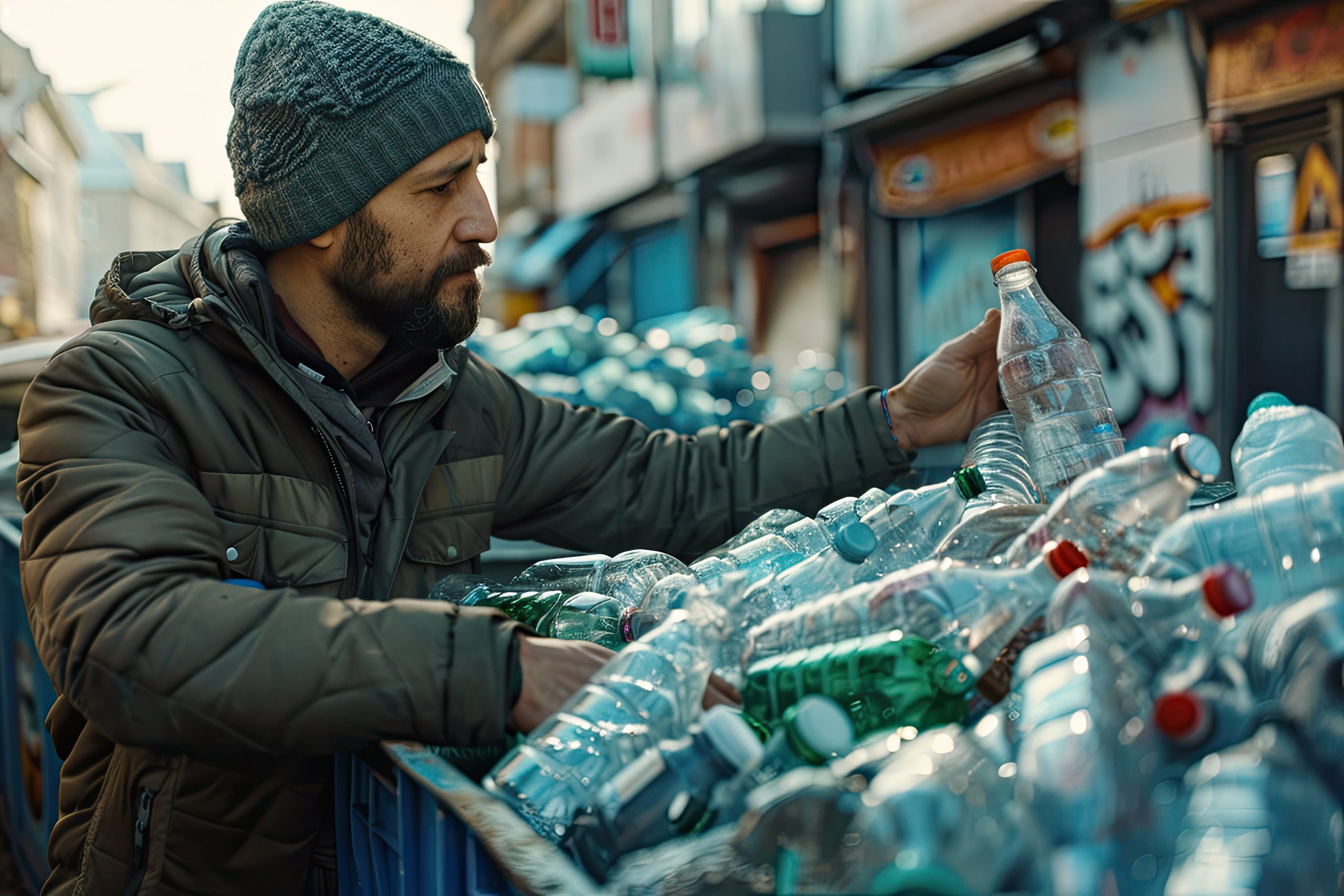
Indonesia’s plastics industry is closely connected to the everyday growth of its economy. Food packaging, household goods, construction materials, electronics, automotive components, and agricultural products all rely on plastics in different forms. A large population, expanding cities, and growing manufacturing activity continue to create demand. Yet there is another side to this growth. Indonesia generates around 5.5 million tonnes of plastic waste each year, while only about 22% is collected for recycling. This gap is pushing the industry to think differently about packaging design, recycling infrastructure, material efficiency, and how plastic can remain valuable after its first use.
Market Drivers Shaping the Indonesian Plastics Sector
Everyday Consumption Keeps Packaging at the Center
Indonesia’s large consumer base makes packaging a natural demand engine for plastics. Food and beverages, personal care, household products, retail, delivery platforms, and e-commerce all depend on affordable and lightweight packaging. But producers are increasingly being asked to look beyond convenience. Reducing unnecessary material, improving recyclability, and finding workable alternatives to difficult-to-recover formats are becoming more important. For converters, this creates an opportunity to develop packaging that remains practical for consumers while fitting more easily into collection and recycling systems.
Manufacturing Growth Creates Room for Smarter Materials
Indonesia’s automotive, electronics, appliances, construction, and industrial sectors give plastics a role far beyond packaging. Engineering polymers can provide lightweighting, electrical insulation, durability, chemical resistance, and greater design freedom. As Indonesia builds more downstream manufacturing capability, domestic processors have an opportunity to move from standardized plastic products toward specialized compounds, precision components, and materials designed around specific industrial requirements.
Plastic Waste Starts Looking More Like a Domestic Resource
Indonesia’s large waste stream also represents material that could return to production. Although the country generates about 5.5 million tonnes of plastic waste annually, recycling businesses are operating at only around 40% of installed capacity. Better collection and sorting could therefore do more than reduce waste. They could provide manufacturers with additional domestic feedstock while creating opportunities for recyclers, compounders, technology providers, and waste-management businesses.
Government Initiatives Supporting Indonesia’s Plastics Industry
Indonesia is placing circularity more firmly within its development strategy. The Circular Economy Roadmap and Action Plan 2025–2045 supports the transition toward better resource use, waste management, and circular production. The government is also preparing stronger Extended Producer Responsibility measures and improving waste-management systems. For plastics producers, this means product design, collection, recycling, and end-of-life responsibility are becoming increasingly connected to long-term business decisions.
Competitive Insights of Indonesia’s Plastics Sector
Indonesia’s plastics ecosystem brings together resin suppliers, converters, packaging manufacturers, recyclers, compounders, and industrial component producers. Its large domestic market provides room for scale, but price competition remains intense. Manufacturers increasingly need to differentiate through automation, consistent quality, technical performance, recyclable designs, and specialized materials. Businesses that strengthen local production capabilities while responding to sustainability requirements can create stronger positions in both consumer and industrial applications.
Major Challenges Affecting Indonesia’s Plastics Industry
Collection Remains the Missing Link
Indonesia has recycling capacity, but getting enough suitable material to recyclers remains difficult. Only around 22% of plastic waste is collected for recycling, contributing to recycling facilities operating well below their potential. Fragmented collection, contamination, limited sorting, and uneven waste infrastructure make reliable feedstock difficult to secure.
Indonesia’s Geography Makes Recovery Harder
Building a circular system across thousands of islands is fundamentally different from doing so in a geographically compact market. Rural areas and smaller cities face particular collection and logistics challenges, while flexible and low-value plastics can be expensive to recover. Government planning documents note that rural and small-to-medium cities account for a substantial share of Indonesia’s plastic pollution.
Future Outlook
In the coming years, Indonesia’s plastics market is likely to grow alongside consumption, urbanization, infrastructure development, and manufacturing. But future opportunities will not come from volume alone. Packaging will remain important, while automotive, electronics, construction, healthcare, and industrial manufacturing can support demand for more specialized materials. At the same time, the country’s 5.5-million-tonne annual plastic waste stream represents a sizeable resource that remains underused. Companies that connect advanced manufacturing with better collection, recycling, material efficiency, and circular product design can capture more value as Indonesia develops a stronger domestic plastics ecosystem.
Consultants at Nexdigm, in their latest publication “Indonesia Plastics Market Outlook to 2035,” analyze the sector By Polymer Type (Polyethylene, High density Polyethylene, Low Density Polyethylene, Polypropylene, Polyurethane and Polyvinyl Chloride), By Region (Java, Maluku, Bali and Sulawesi).
Nexdigm suggests that businesses in Indonesia’s Plastics Industry must move toward higher-value engineering plastics while strengthening circular manufacturing capabilities. Companies should accelerate automation, expand recycling integration, secure reliable recycled feedstock, and develop specialized solutions for electronics, automotive, medical devices, packaging, and export-oriented applications.
To take the next step, simply visit our Request a Consultation page and share your requirements with us.
Harsh Mittal
+91-8422857704