
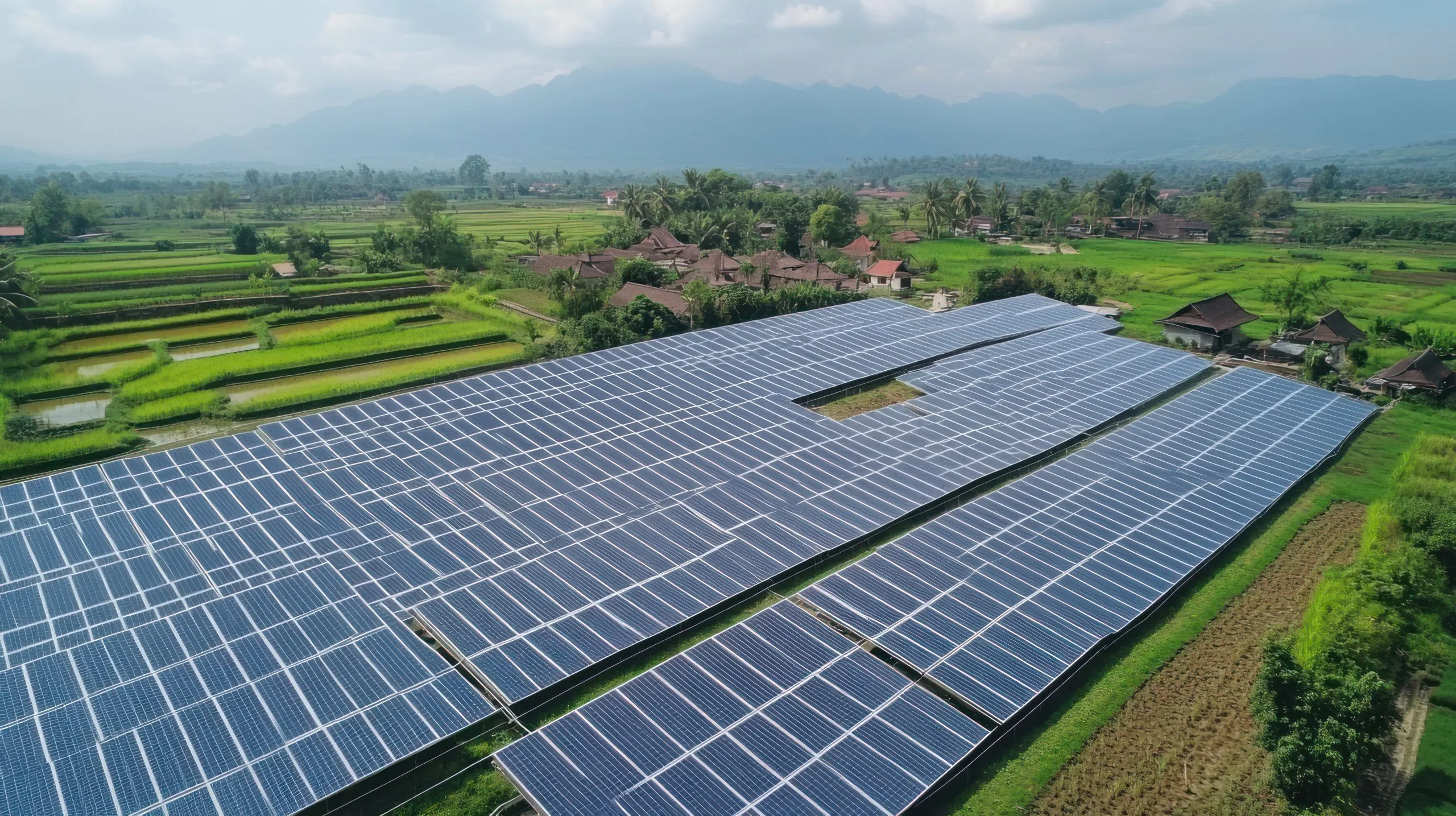
Indonesia is on the brink of a major transformation in its energy sector, with renewable energy playing a crucial role in its future. The country, which is heavily reliant on fossil fuels, is now focusing on harnessing its abundant renewable resources, including solar, wind, and geothermal resources. With its growing economy and increasing electricity demand, Indonesia aims to diversify its energy mix, reducing carbon emissions and dependence on imported fuels. As a result, Indonesia’s renewable energy market is expected to experience substantial growth by 2035.
Key Factors Driving Indonesia Renewable Energy Growth
Growing Energy Demand
Indonesia’s economy is expanding rapidly, and with it, the demand for energy. As the country’s population grows and urbanizes, the need for reliable electricity increases, especially in industrial and residential sectors. This surge in demand has driven the need for sustainable energy solutions, positioning renewables like solar, wind, and geothermal as ideal options to meet future energy requirements without compromising environmental goals.
Abundant Natural Resources
Indonesia is uniquely positioned to take advantage of its geographical advantages. With one of the largest geothermal reserves globally, vast hydropower potential, and consistent sunlight throughout the year, the country has a remarkable opportunity to scale up its renewable energy capacity. These natural assets are key to Indonesia’s renewable energy future, and the government is working to tap into them for long-term sustainability.
Cost Reductions in Renewable Technology
The cost of renewable technologies, especially solar PV, has fallen significantly over the past decade. This makes renewable energy more cost-competitive compared to traditional fossil fuels. As installation costs decrease, the viability of renewable energy projects in Indonesia grows, attracting both domestic and foreign investors.
Government Policies and Initiatives Supporting Renewable Energy Development
The Indonesian government has committed to ambitious renewable energy targets, aiming for 23% of its energy mix to come from renewables by 2025. To support this, it has introduced regulations and policies to attract foreign investments, simplify licensing processes, and encourage infrastructure development. Programs like the Indonesia Renewable Energy Roadmap and local content requirements also provide a roadmap to boost renewable energy adoption across the nation.
Overview of Key Players and Market Dynamics in Indonesia Renewable Energy Sector
The renewable energy sector in Indonesia is becoming increasingly competitive. Major players include state-owned utilities like Perusahaan Listrik Negara (PLN) and independent developers focused on solar, geothermal, and wind projects. While large-scale projects dominate, smaller players are also entering the market, particularly in rooftop solar and microgrid solutions. As the market grows, innovation, cost efficiency, and regulatory alignment will be key to staying competitive.
Key Challenges Hindering the Growth of Indonesia Renewable Energy Market
Regulatory Uncertainty
Despite strong growth potential, Indonesia’s renewable energy market faces challenges due to inconsistent policies and regulatory hurdles. Changes in energy targets and delays in renewable legislation have created uncertainty, making it harder for investors to commit to long-term projects.
Infrastructure Gaps
Indonesia’s energy infrastructure is still developing, especially in remote areas where renewable resources are abundant. The lack of modern grid systems and the intermittent nature of some renewable sources (like solar and wind) can create integration challenges, slowing the transition.
Future Outlook
By 2035, Indonesia’s renewable energy market is projected to grow substantially, with renewables expected to account for 38.1 GW of the country’s total energy capacity. Solar energy is set to see exponential growth, driven by decreasing costs and increasing installations. With continued government support and technological advances, the country is on track to meet its renewable energy targets, playing a crucial role in both regional and global sustainability goals. Despite challenges, Indonesia’s renewable future looks promising as it navigates this energy transition.
Consultants at Nexdigm, in their latest publication “Indonesia Renewable Energy Market Outlook to 2035,” analyze the sector by System Type (Wind Power, Solar Power, Hydropower, Biomass Energy), By Platform Type (Offshore Platforms, Onshore Platforms, Hybrid Platforms), and By Fitment Type (Residential Installations, Commercial Installations, Industrial Installations). Nexdigm suggests that businesses should adapt their strategies to align with evolving market trends by leveraging innovative technologies, understanding shifting regulatory landscapes, and capitalizing on emerging opportunities within the renewable energy sector.
To take the next step, simply visit our Request a Consultation page and share your requirements with us.
Harsh Mittal
+91-8422857704