
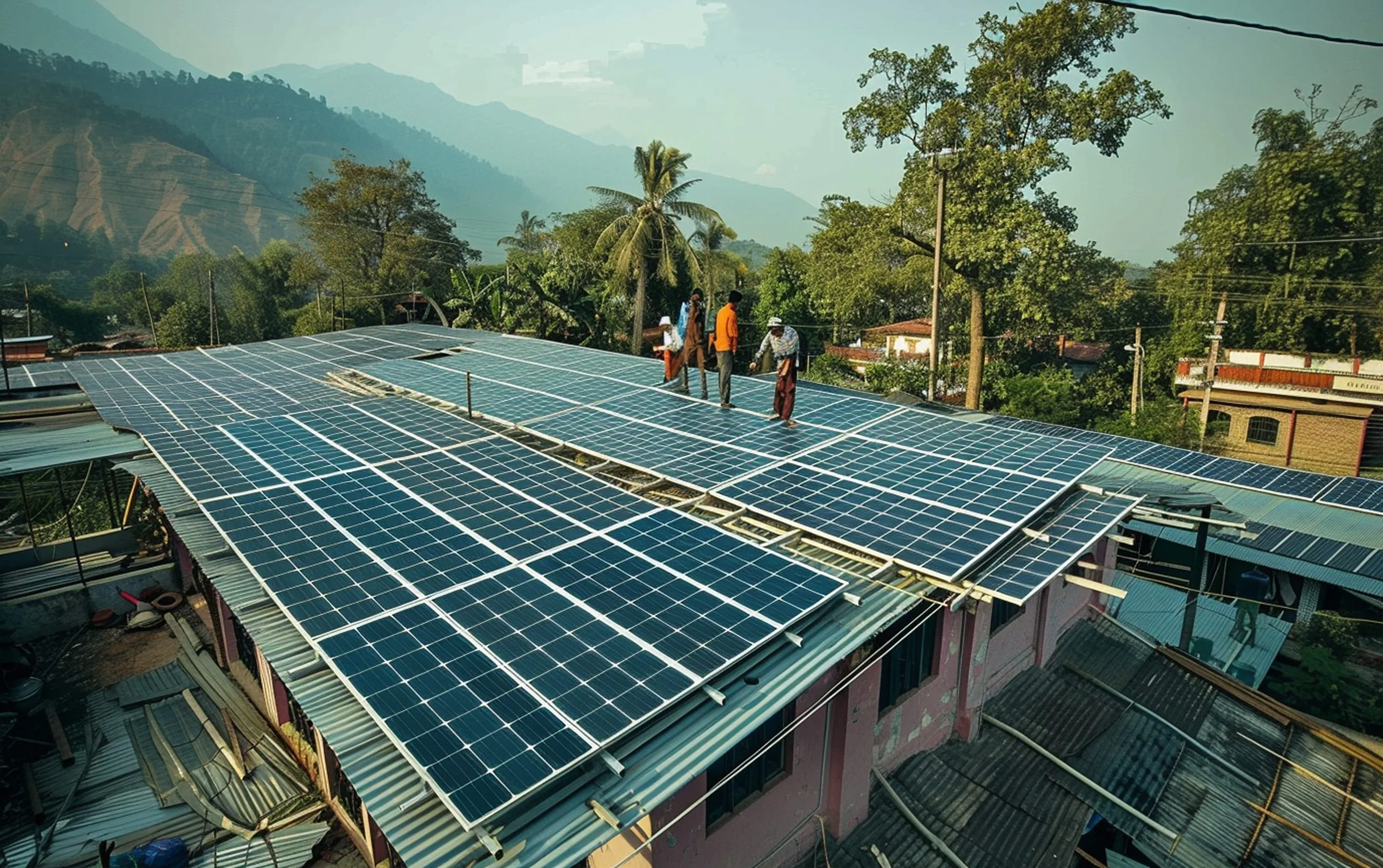
Indonesia’s solar energy sector is positioned for accelerated growth over the next decade as the nation shifts toward renewable energy to support rising electricity demand and climate commitments. Installed solar capacity, which stood below 1 GW in the mid‑2020s, is projected to expand rapidly, with forecasts suggesting a climb to over 23 GW by 2035 driven by utility‑scale and rooftop photovoltaic projects. This expansion will underpin demand for engineering, procurement, and construction (EPC) services as developers move from planning into execution to meet ambitious national targets and global investment commitments.
Key Factors Driving Market Growth in Indonesia Solar EPC Sector
Strong Growth in Solar Capacity Targets
Indonesia’s utility‑scale and distributed solar capacity is forecast to increase significantly through 2035, with analysts projecting a rise to approximately 23.2 GW of cumulative solar PV capacity by 2035. Most of this growth is expected from large‑scale projects and expanded rooftop installations. This surge in project pipelines directly expands EPC activity, requiring integrated engineering, procurement, and construction services for planning, grid integration, and commissioning.
Declining Technology Costs and Rising Demand
Global declines in solar PV module and inverter prices have made solar bids increasingly competitive with fossil‑fuel generation, lowering the levelized cost of electricity and improving project economics across Indonesia’s archipelago. Meanwhile, rapid industrialization, urbanization, and rising demand for reliable electricity in remote and rural regions are driving investments in both grid‑connected and off‑grid solar systems. Increasing corporate interest in renewable power purchase agreements further strengthens demand for EPC services as companies seek long‑term renewable energy solutions.
Government Policies and Initiatives Supporting Solar Energy Growth
The Indonesian government has introduced supportive policies for renewable energy, including tax incentives like income tax deductions and faster asset depreciation for green investments. National plans, such as the Electricity Supply Business Plan (RUPTL), set ambitious renewable and solar energy goals, encouraging private companies to get involved. These efforts aim to drive the country’s energy transition while making it easier for businesses to invest in sustainable energy solutions.
Overview of the Competitive Landscape in Indonesia Solar EPC Market
The EPC market in Indonesia’s solar sector includes a mix of domestic and international firms. Local specialists focus on distributed generation and regional projects, while multinational EPC contractors bring expertise in utility‑scale solar farms and complex grid‑connected installations. Competitive dynamics are shaped by cost pressures, regulatory compliance requirements, and emerging opportunities in floating PV and hybrid systems, although domestic manufacturing capacity for key components remains limited.
Key Challenges Facing the Growth of Indonesia Solar EPC Market
Regulatory and Policy Uncertainty
Periodic shifts in net‑metering rules and quota systems have introduced policy uncertainty, particularly in rooftop solar segments, which can affect project financing and investor confidence. Stable, transparent regulatory frameworks are crucial for predictable EPC contracts and long‑term planning across regions.
Infrastructure and Grid Integration Constraints
Integrating variable solar generation at scale requires upgrades in transmission infrastructure and grid management, particularly in remote islands and less developed provinces. Limited grid readiness and curtailment risks can delay project execution, increase costs, and complicate EPC delivery timelines.
Future Outlook
Over the next decade, Indonesia’s solar EPC market is expected to expand notably as project pipelines mature and installed capacity grows toward 23 GW by 2035. Strong underlying demand, supportive government planning, and declining technology costs are likely to sustain EPC engagement across utility‑scale and distributed solar segments. Continued policy refinement, improvements in grid infrastructure, and deeper private sector participation can further enhance market depth. EPC contractors capable of delivering turnkey solutions, integrating storage, and navigating regulatory complexities are expected to be well positioned in Indonesia’s evolving solar landscape.
Consultants at Nexdigm, in their latest publication “Indonesia Solar EPC Market Outlook to 2035,” analyze the sector by System Type (Utility-Scale Solar Systems, Commercial Solar Systems, Residential Solar Systems, Off-Grid Solar Systems), By Platform Type (Grid-Connected Solar Systems, Off-Grid Solar Systems, Hybrid Solar Systems), and By Fitment Type (On-roof Solar Installations, Ground-mounted Solar Installations, Building Integrated Solar Installations). Nexdigm suggests that businesses should adapt to the evolving renewable energy landscape by aligning with market trends and regulatory changes. By staying informed on government incentives and increasing demand for clean energy, businesses can seize opportunities in the growing solar sector. This strategic approach ensures long-term sustainability and helps businesses stay competitive in an increasingly green economy.
To take the next step, simply visit our Request a Consultation page and share your requirements with us.
Harsh Mittal
+91-8422857704