
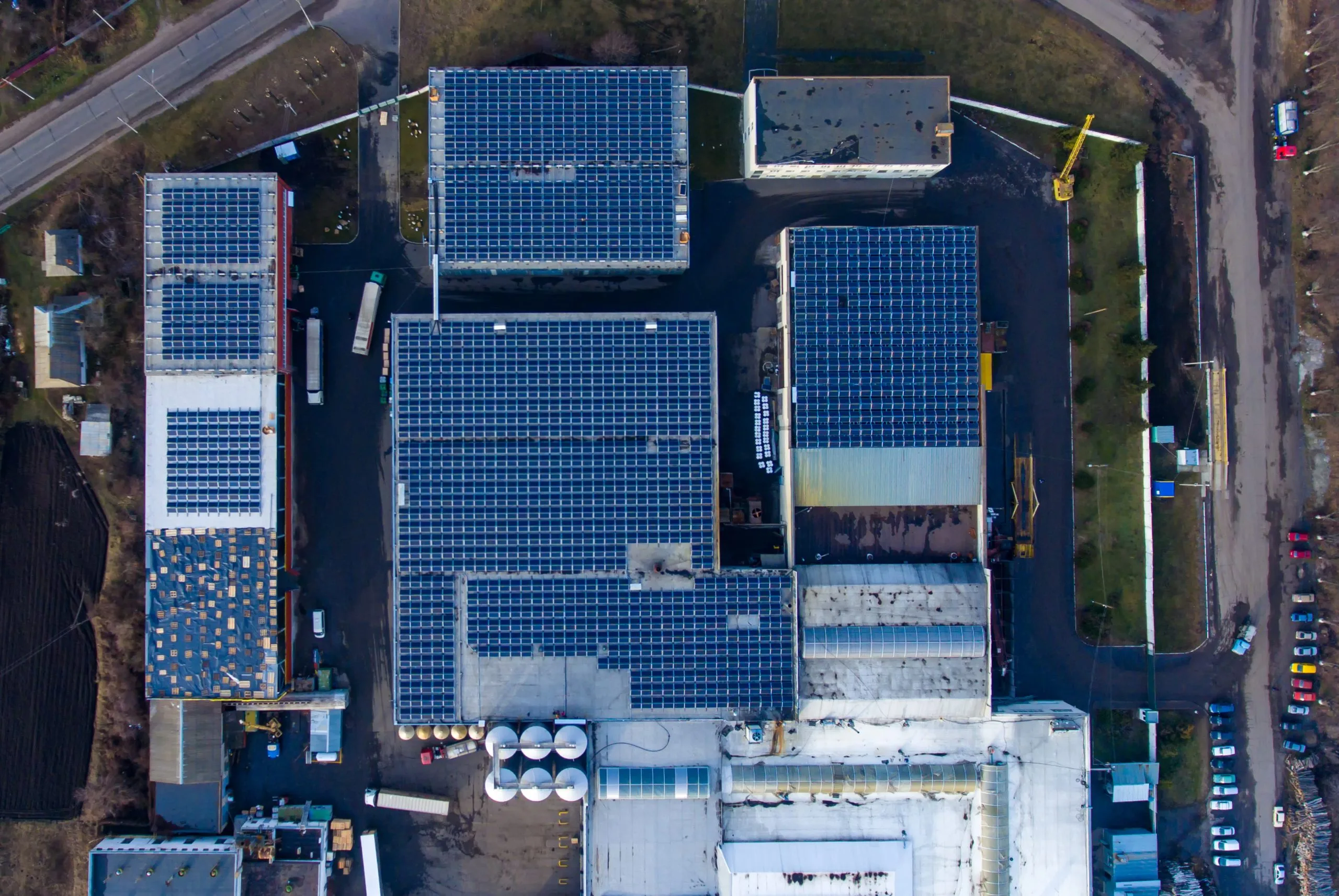
Indonesia’s solar photovoltaic (PV) market is entering a phase of accelerated growth as the archipelagic nation moves to diversify its energy mix and reduce dependence on fossil fuels. From a relatively small base in the early 2020s, solar PV installations are expected to scale rapidly, driven by declining technology costs, strong solar irradiance, and expanding grid capacity. Cumulative solar PV capacity is forecast to exceed 23 GW by 2035, compared with under 1 GW today, making solar one of the fastest‑growing renewable sources in the country’s power sector.
Primary Drivers of Growth in Indonesia Solar PV Market
Rising Electricity Demand
Indonesia’s electricity consumption continues to grow in line with economic expansion and urbanization, particularly on the islands of Java and Sumatra. Meeting this demand without exacerbating carbon emissions places pressure on policymakers to identify alternatives to coal‑fired generation. Solar PV can be deployed relatively quickly compared to large fossil projects, offering a modular solution for both utility‑scale and distributed generation.
Cost Competitiveness and Technology Improvements
Solar PV technology has experienced significant cost declines over the past decade, improving its competitiveness relative to conventional power sources. Enhanced panel efficiency and systems integration have further strengthened solar’s value proposition for residential, commercial, and industrial customers. Declining equipment and installation costs—alongside improving financing options—have encouraged broader adoption, particularly in areas with high irradiance.
Policy and Incentive Environment
Government incentives, including tax breaks, feed‑in tariffs and net‑metering reforms, help make solar projects more financially viable. Policies aimed at removing regulatory bottlenecks for rooftop PV and smoothing permitting are encouraging investors and homeowners to participate, which is essential for widening the market beyond large utility installations.
Government Policies and Initiatives Fueling Solar PV Growth
Indonesia’s renewable energy strategy includes ambitious targets backed by policy frameworks such as the National Energy Policy and the updated Electricity Supply Business Plan (RUPTL), which collectively aim to expand renewables capacity significantly through 2034 and beyond. Solar PV figures prominently, with planned capacity additions and incentives to encourage private participation. International partnerships, including the Just Energy Transition Partnership (JETP), are channeling financing and technical assistance to accelerate deployment.
Overview of Key Players and Market Competition in Indonesia Solar PV Sector
The solar PV sector in Indonesia comprises a mix of domestic and international developers operating across utility‑scale, commercial, and residential segments. Local firms collaborate with global module and system suppliers, driving competition in pricing and service delivery. Key activities include utility‑scale plant development, rooftop installation services, financing platforms, and operations & maintenance providers. Partnerships with multinational investors and renewable energy funds are expanding the industry’s financial depth and project pipeline.
Key Challenges Facing the Growth of Indonesia Solar PV Market
Grid Integration and Infrastructure
Despite abundant technical potential—estimated at over 200 GW—actual PV utilization remains under 1%, largely due to grid readiness issues, transmission constraints, and uneven infrastructure across islands.
Regulatory and Financial Hurdles
Policy uncertainty in permitting and net‑metering frameworks, coupled with high upfront capital costs for system installation, continues to deter some investors and end‑users, particularly in rural and lower‑income areas.
Future Outlook
Looking ahead to 2035 and beyond, Indonesia’s solar PV market outlook is positive, supported by strong projected growth and a favourable policy environment. Cumulative capacity is set to rise sharply—potentially exceeding 23 GW by 2035—driven by utility‑scale deployments, rooftop installations, and off‑grid electrification projects. Continued cost reductions and improvements in energy storage technologies may further improve solar’s competitiveness. While challenges remain in grid integration and financing, coordinated government action and increased private investment are likely to shape Indonesia’s solar landscape as a core component of the country’s energy transition.
Consultants at Nexdigm, in their latest publication “Indonesia Solar PV Market Outlook to 2035,” analyze the sector by System Type (Utility-Scale Solar Installations, Residential Solar Systems, Commercial Solar Systems, Solar Thermal Systems), By Platform Type (On-Grid Solar Systems, Off-Grid Solar Systems, Hybrid Solar Systems), and By Fitment Type (Residential Fitments, Commercial Fitments, Industrial Fitments). Nexdigm suggests that businesses should stay updated on evolving industry trends, regulatory changes, and technological advancements to stay competitive in the rapidly growing solar PV market. By aligning with a market-relevant context, businesses can identify opportunities for innovation, mitigate risks, and make informed strategic decisions.
To take the next step, simply visit our Request a Consultation page and share your requirements with us.
Harsh Mittal
+91-8422857704