
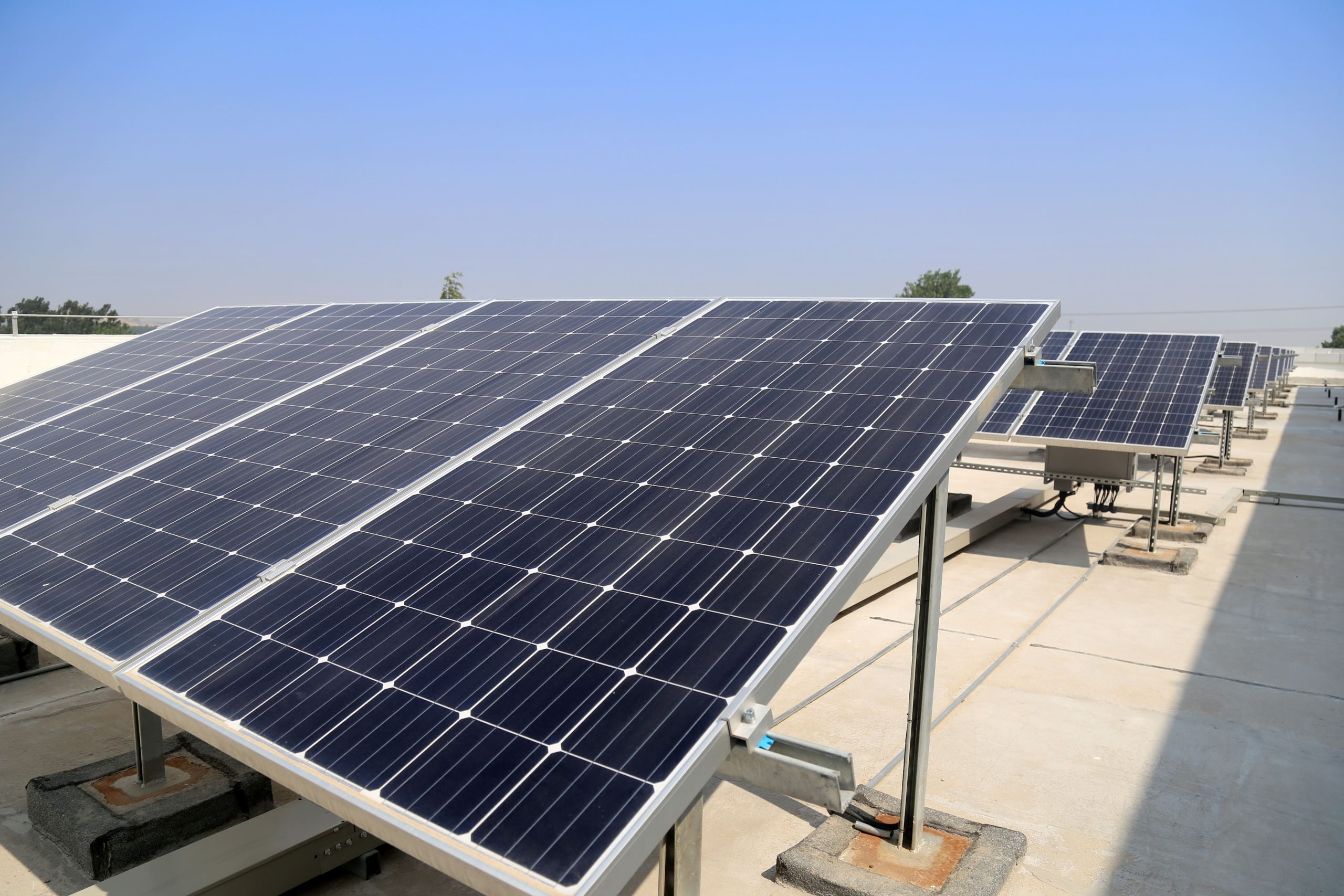
Indonesia’s solar PV mounting systems market is gaining momentum as the country strengthens renewable energy deployment to meet rising electricity demand and long-term sustainability objectives. As Southeast Asia’s largest economy, Indonesia has a population exceeding 280 million, creating substantial energy and infrastructure requirements. The government is targeting a significant increase in renewable energy capacity, while the national solar project pipeline exceeds 18 GW across utility-scale, commercial, industrial, and floating solar segments. Furthermore, infrastructure investments valued at more than USD 400 billion and the development of the new capital city are creating strong demand for solar installations, driving the need for advanced mounting systems that enhance project efficiency, durability, and power generation performance.
Key Market Drivers for Indonesia’s Solar PV Mounting Systems Industry
Utility-Scale Solar Expansion and Renewable Energy Targets Drive Mounting System Demand
Indonesia is actively expanding its solar power sector to reduce dependence on fossil fuels and diversify its energy mix. The country has announced a solar development pipeline exceeding 18 GW, including utility-scale projects and floating solar installations. Large solar farms require extensive ground-mounted structures, fixed-tilt systems, and tracker technologies, creating substantial opportunities for mounting system suppliers. As project development accelerates, demand is expected to grow for durable and corrosion-resistant mounting solutions capable of operating in Indonesia’s tropical climate conditions.
Floating Solar Projects Create New Growth Opportunities
Indonesia possesses significant potential for floating solar deployment due to its extensive reservoir and water infrastructure network. Several large-scale floating solar projects are under development, including projects expected to rank among Southeast Asia’s largest floating PV installations. These developments are generating demand for specialized mounting and floating support structures designed to maximize energy generation while optimizing land utilization. Growing investment in floating solar is expected to become a major growth driver for the mounting systems industry.
Industrial Electrification and Commercial Rooftop Adoption Support Market Growth
Indonesia’s expanding manufacturing sector, industrial parks, logistics hubs, and commercial facilities are increasingly adopting rooftop solar solutions to reduce energy costs and support ESG commitments. The country’s industrial development strategy and investments in sectors such as mining, electric vehicles, and processing industries are creating strong opportunities for distributed solar deployment. As businesses pursue renewable energy adoption, demand is rising for lightweight rooftop mounting systems that offer ease of installation, structural reliability, and long-term operational performance.
Government Support and Renewable Energy Initiatives Backed by Energy Transition Policies, a 23% Renewable Energy Target, and an 18 GW+ Solar Development Pipeline
Indonesia’s solar PV mounting systems market is benefiting from strong government support aimed at expanding renewable energy deployment and reducing dependence on fossil fuels. The country targets 23% renewable energy in its national energy mix, while the solar project pipeline has exceeded 18 GW, supported by utility-scale, floating solar, and distributed generation projects. Additionally, Indonesia’s infrastructure development plans exceed USD 400 billion, while the development of the new capital city, Nusantara, is creating opportunities for sustainable energy integration. These initiatives are expected to drive long-term demand for solar mounting systems across utility-scale, commercial, industrial, and public-sector installations.
Competitive Landscape Driven by an 18 GW+ Solar Pipeline, Expanding Floating Solar Projects, and Growing Industrial Solar Adoption
Indonesia’s solar PV mounting systems market is becoming increasingly competitive as the country accelerates renewable energy investments and expands solar deployment across multiple segments. With a solar project pipeline exceeding 18 GW and a population of more than 280 million, demand for utility-scale solar farms, commercial rooftop systems, and floating solar installations continues to increase. Market participants are focusing on solar trackers, floating PV structures, galvanized steel mounting systems, and lightweight rooftop solutions to improve project performance and reduce installation costs. Competition is primarily driven by product durability, corrosion resistance, engineering capabilities, cost efficiency, and the ability to support Indonesia’s rapidly expanding solar infrastructure sector.
Major Challenges Facing Indonesia’s Solar PV Mounting Systems Industry
Grid Infrastructure Constraints and Project Implementation Delays
Although solar investments are increasing, grid limitations and transmission bottlenecks in certain regions may impact project development timelines. Delays in grid connectivity and permitting processes can affect the pace of solar deployment and associated demand for mounting systems.
Dependence on Imported Components and Raw Material Price Volatility
The industry remains exposed to fluctuations in steel, aluminum, logistics, and imported equipment costs. Changes in commodity prices and supply chain disruptions can influence project economics and create cost pressures for mounting system manufacturers and solar developers.
Future Outlook
Indonesia’s solar PV mounting systems market is expected to witness robust growth through 2035, supported by a solar project pipeline exceeding 18 GW, infrastructure investments surpassing USD 400 billion, and a population of more than 280 million driving long-term electricity demand. Increasing deployment of utility-scale solar farms, commercial rooftop installations, floating solar projects, and battery energy storage systems will continue to create strong demand for advanced mounting technologies. Future growth is likely to be supported by tracker adoption, localized manufacturing, innovative floating solar solutions, and smart mounting systems that improve energy generation efficiency and project economics.
Consultants at Nexdigm, in their latest publication “Indonesia Solar PV Mounting Systems Market Outlook to 2035,” analyse the sector By Mounting System Configuration (Fixed-Tilt Racking, Single-Axis Tracking and Dual-Axis Tracking), By End-User Segment (Utility-Scale Power Projects and Commercial and Industrial Developers) and By Material Composition (Anodized Aluminum, Hot-Dip Galvanized Steel, Stainless Steel Components).
Nexdigm suggests that businesses in Canada’s Solar PV Mounting Systems Industry prioritize snow-resistant mounting technologies, advanced solar tracking systems, and strategic partnerships with utility-scale and commercial solar developers to capitalize on the country’s growing renewable energy investments and expanding solar power infrastructure.
To take the next step, simply visit our Request a Consultation page and share your requirements with us.
Harsh Mittal
+91-8422857704