
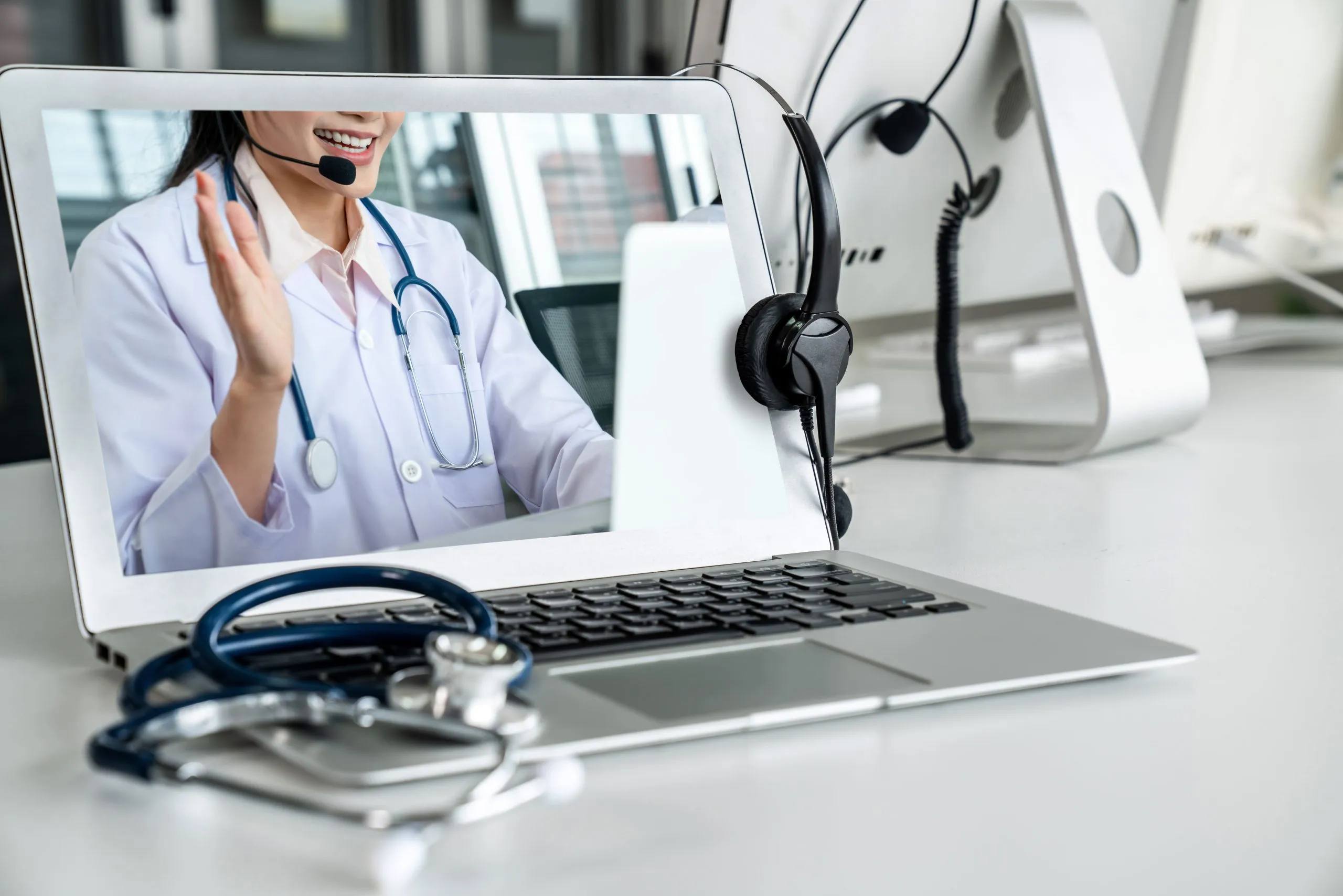
Healthcare delivery in Indonesia has always faced a basic logistical problem: people are spread across thousands of islands, while doctors and hospitals are concentrated in a handful of major cities. That mismatch has made telemedicine far more than a convenience play. It has become one of the more practical answers to uneven access. By 2026, widespread smartphone usage, stronger mobile networks, and familiarity with app-based services have pushed virtual consultations into the mainstream. What began as an urban convenience is gradually becoming part of everyday healthcare, from quick GP advice to prescription refills and follow-up care.
What’s Driving the Telemedicine Market in Indonesia?
Geography Still Favors Remote Care
Indonesia’s physical layout gives online healthcare a clear advantage. Patients in Jakarta may have options, but residents in smaller islands or outer provinces often face long travel times for specialist care. In practice, a thirty-minute video consultation can replace a full day of travel. This matters most for non-emergency needs such as dermatology reviews, pediatric advice, second opinions, or post-treatment follow-ups. Hospitals in larger cities can also extend their reach without opening expensive satellite clinics. That efficiency is one reason telemedicine has stayed relevant even after pandemic-era urgency faded.
Mobile Habits and Consumer Convenience
Indonesia already has a population comfortable with digital transactions, whether for ride-hailing, food delivery, or payments. Healthcare was likely to follow that pattern sooner or later. Booking a doctor through an app feels natural to younger consumers who do nearly everything else through their phones. The convenience factor should not be underestimated. Many users are not looking for advanced treatment online – they simply want to avoid traffic, waiting rooms, and half-day clinic visits for routine issues. That is especially true in dense urban centers such as Jakarta, where commuting time alone can discourage in-person appointments.
Chronic Illness Needs More Frequent Touchpoints
Indonesia is seeing a heavier burden of diabetes, hypertension, heart disease, and respiratory conditions. These illnesses require continuity, not one-off hospital visits. Telemedicine fits that need well because patients often need medication reviews, symptom checks, and lifestyle guidance more than physical procedures. A common challenge in chronic care is patient drop-off after diagnosis. Digital reminders, easier access to doctors, and app-based monitoring tools can improve adherence. It does not solve every problem, but it lowers friction, which often matters more than grand policy promises.
Government-Led Initiatives Supporting Digital Health
Public policy has moved in the same direction, albeit unevenly. Indonesian authorities have promoted broader digitalization across healthcare through electronic medical records, national insurance digitization, and clearer operating space for online consultations. That has helped legitimate the sector. There is still room for tighter standards around licensing, data handling, and interoperability between hospitals and private platforms. Yet the direction is clear: telemedicine is no longer treated as a temporary workaround. It is becoming part of formal healthcare infrastructure, particularly where public capacity is stretched.
Market Competition and Platform Expansion
The market has several recognizable names competing for attention, including Halodoc, Alodokter, Good Doctor, and KlikDokter. Competition is no longer just about video consultations. Most leading platforms now bundle medicine delivery, lab bookings, wellness subscriptions, insurance links, and corporate health programs. That creates stickier customer relationships, though it also raises operating costs. Some firms may find that acquiring users is easier than retaining profitable ones.
Access Gaps Beyond the Cities
The biggest constraint is not demand. It is uneven readiness outside major urban areas. Patchy internet coverage, lower digital literacy, and preference for face-to-face treatment still limit adoption in parts of the country. Trust also matters. Many patients are comfortable using telemedicine for coughs, skin issues, or repeat prescriptions, but hesitate when symptoms feel serious. That hesitation is rational. Remote care has limits, and providers that oversell convenience risk damaging credibility.
Future Outlook
By 2035, telemedicine in Indonesia should look less like a standalone app category and more like a routine layer of healthcare delivery. Primary consultations, mental health support, chronic disease check-ins, and prescription management are likely to move increasingly online, while hospitals remain focused on procedures and acute care. The stronger players will probably be those that blend online and offline services rather than treating them as separate worlds. AI triage tools, multilingual interfaces, wearable-device integration, and insurer partnerships could become standard features.
Consultants at Nexdigm, in their latest publication “Indonesia Telemedicine Market Outlook to 2035”, analyzed the market by Service Type (Teleconsultation, E-Pharmacy, Remote Monitoring, Mental Health, Diagnostics Integration), By End User (Individuals, Corporates, Hospitals, Government Programs), and By Region (Java, Sumatra, Kalimantan, Sulawesi, Eastern Indonesia). Nexdigm believes companies should focus on trust, affordable recurring plans, and hybrid care models that work equally well in Jakarta and in smaller provincial markets.
To take the next step, simply visit our Request a Consultation page and share your requirements with us.
Harsh Mittal
+91-8422857704