
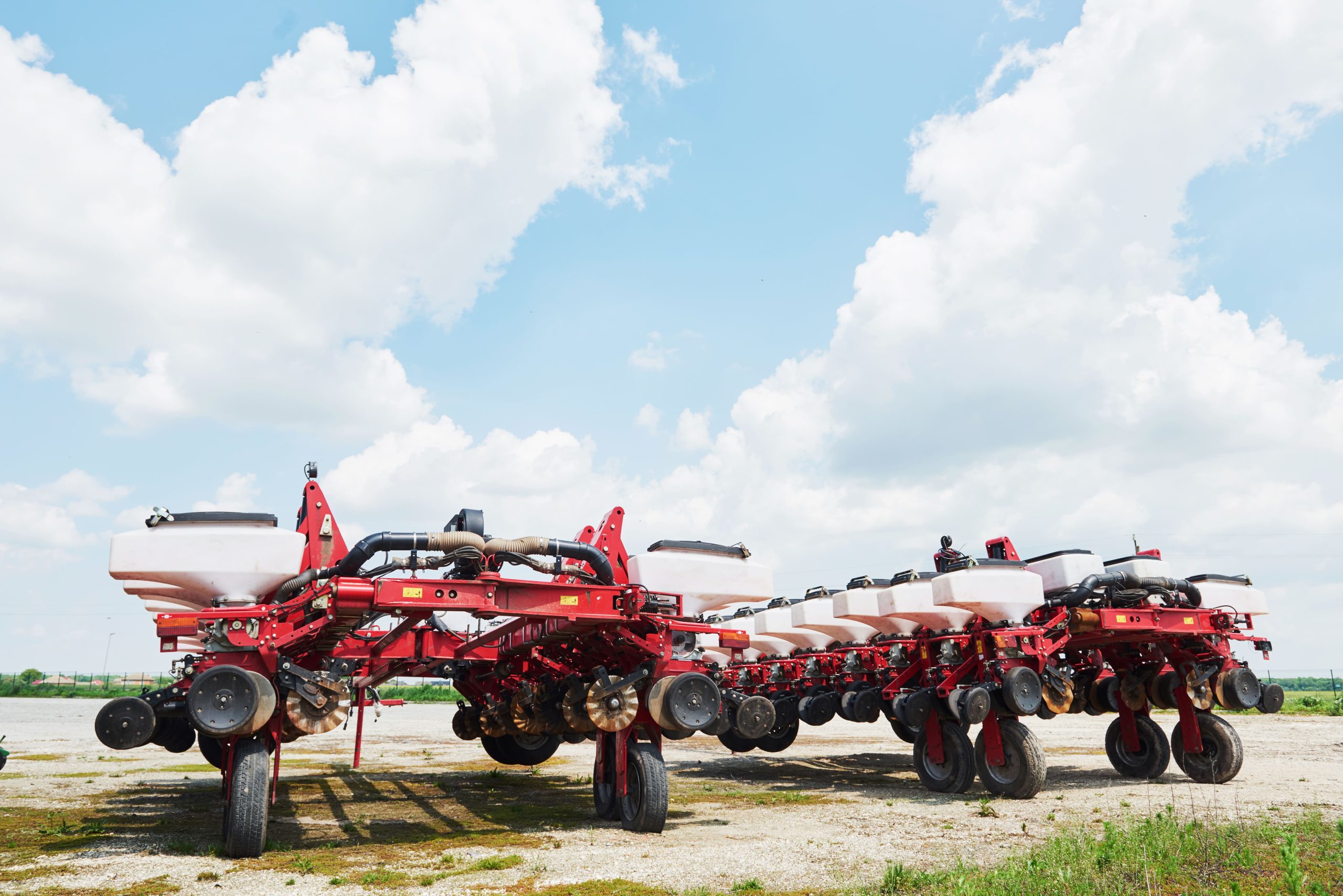
Indonesia’s agricultural equipment market is gradually transforming as the country focuses on improving farm productivity and strengthening food security. Agriculture continues to play a central role in Indonesia’s economy, supporting livelihoods across rice, palm oil, maize, rubber, and horticulture farming. As of 2026, mechanization levels remain uneven across regions, with many small and mid-sized farms still dependent on manual labor. New machinery remains expensive for most farmers, making used tractors, power tillers, harvesters, and sprayers a practical alternative. The used equipment segment is gaining traction due to affordability, rising replacement cycles in commercial plantations, and wider availability of refurbished machinery through local dealers and online platforms.
What’s Driving the Used Agricultural Equipment Market in Indonesia?
Mechanization Push in Smallholder Farming
Smallholder farmers account for a large share of Indonesia’s agricultural output but often operate on limited budgets and fragmented landholdings. Labor shortages caused by rural-to-urban migration are increasing pressure on farmers to adopt basic mechanization. Used tractors and power tillers are being adopted for land preparation, planting, and transport. Lower upfront costs make second-hand equipment accessible to farmer groups and cooperatives, helping expand mechanization beyond large commercial farms.
Expansion of Commercial Plantations and Contract Farming
Large palm oil, sugarcane, and rubber plantations are upgrading machinery to improve efficiency and meet sustainability targets. As fleets are renewed, older but serviceable equipment moves into the resale market. At the same time, contract farming and mechanized service providers are expanding in key producing regions, creating steady demand for used harvesters, sprayers, and loaders. This replacement cycle is strengthening supply in the secondary equipment market.
Growth of Rural Financing and Equipment Sharing Models
Improved access to rural credit is enabling farmer groups to invest in shared machinery. Custom hiring centers and cooperative-owned equipment pools are expanding, particularly for seasonal machines such as combine harvesters and rice transplanters. These shared-use models improve utilization rates and reduce capital pressure on individual farmers, supporting steady demand for refurbished equipment.
Government-Led Initiatives Supporting Farm Mechanization
Government programs aimed at improving food security and farm productivity continue to support mechanization in rice-growing regions across Java, Sumatra, and Sulawesi. Support for farmer cooperatives, access to machinery through government-backed schemes, and training programs are improving familiarity with mechanized farming. Although subsidies are primarily focused on new equipment, the broader push toward modernization encourages gradual fleet upgrades, which feeds supply into the used equipment market. Sustainability-linked programs promoting more efficient machinery are also contributing to replacement cycles in commercial plantations.
Market Competition and Distribution Landscape
The used agricultural equipment market in Indonesia is fragmented, with participation from OEM-linked dealers, local refurbishers, informal traders, and rural brokers. Brands such as Kubota, Yanmar, John Deere, and New Holland dominate the installed base, shaping the mix of equipment available in the resale market. Digital marketplaces and regional dealership networks are improving access to inventory and price transparency. Certified refurbishment programs and limited warranty offerings are emerging, which is expected to improve buyer confidence and gradually formalize the market.
Fragmented After-Sales Support and Quality Variability
After-sales service remains uneven, particularly in remote farming regions. Farmers often face delays in accessing spare parts and qualified technicians, increasing downtime and maintenance costs. Inconsistent refurbishment standards and the lack of formal certification for used equipment create trust issues for buyers, especially first-time adopters. These challenges can slow adoption outside major agricultural hubs.
Future Outlook
The Indonesia used agricultural equipment market is expected to grow steadily through 2035, supported by rising mechanization among smallholders, ongoing fleet renewal by commercial plantations, and the expansion of shared-equipment and service-based farming models. Over time, the market is likely to become more organized, with stronger dealer-led refurbishment networks, better parts availability, and wider use of financing and leasing options. The used equipment segment will continue to play a key role in making mechanization affordable and accessible across Indonesia’s diverse farming landscape.
Consultants at Nexdigm, in their latest publication “Indonesia Used Agricultural Equipment Market Outlook to 2035”, analyzed the market by Equipment Type (Tractors, Power Tillers, Combine Harvesters, Rice Transplanters, Sprayers), By Power Range (Below 30 HP, 30–60 HP, Above 60 HP), and By End User (Smallholder Farmers, Commercial Plantations, Custom Hiring Centers, Cooperatives). Nexdigm believes that businesses should focus on certified refurbishment programs, reliable after-sales service networks in Tier-2 and Tier-3 farming regions, and flexible financing models to unlock long-term growth in Indonesia’s used agricultural equipment ecosystem.
To take the next step, simply visit our Request a Consultation page and share your requirements with us.
Harsh Mittal
+91-8422857704