
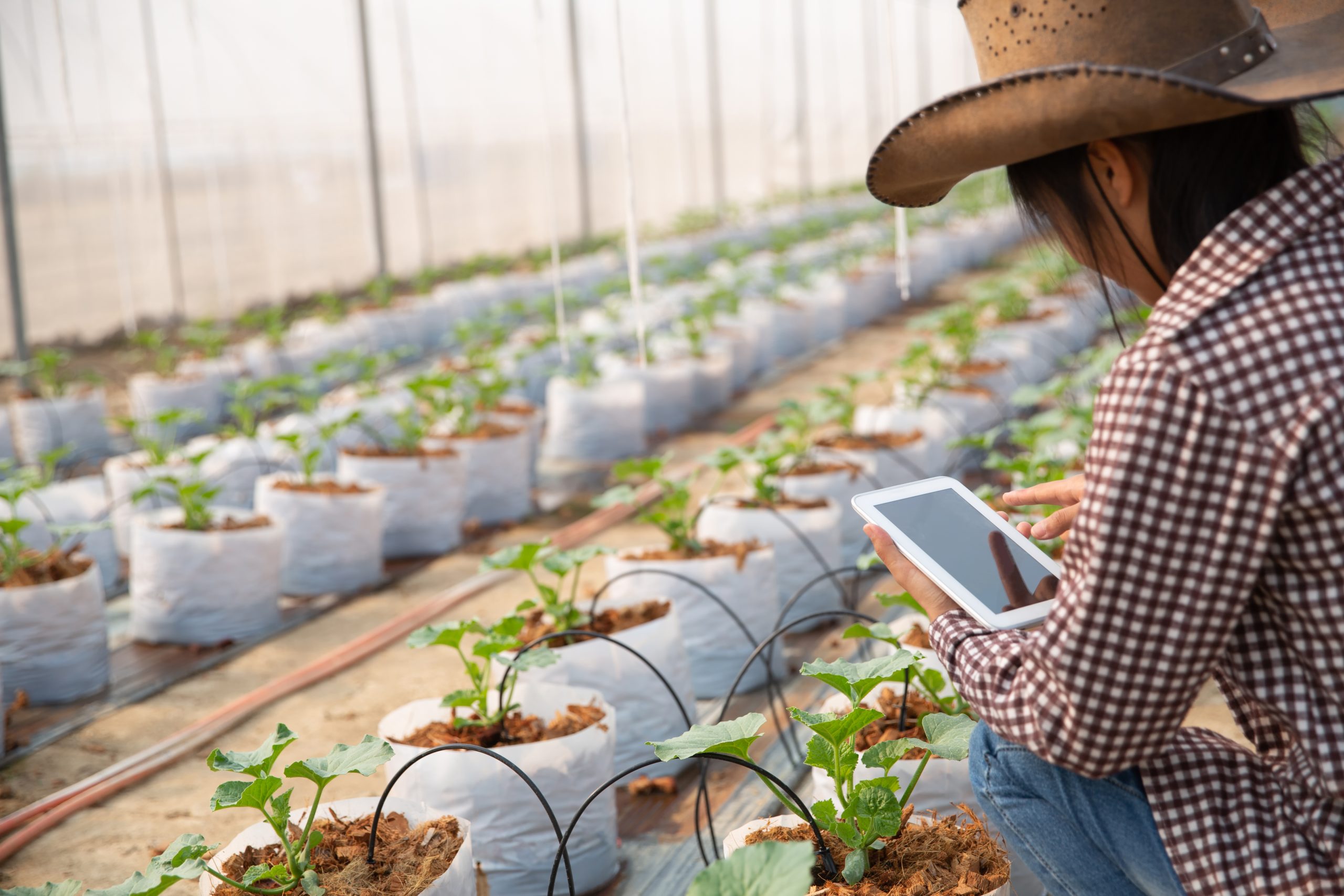
The Israel micro irrigation systems market is expanding, supported by water scarcity, agricultural innovation, sustainable farming, and increasing demand for precision irrigation technologies. Micro irrigation systems include drip irrigation, micro-sprinklers, subsurface irrigation, and automated fertigation solutions designed to improve water distribution and crop productivity. Israel reuses approximately 87% of its treated wastewater, primarily for agricultural irrigation, demonstrating its advanced water management capabilities. Growing investment in smart agriculture, greenhouse cultivation, desalinated water integration, and efficient irrigation infrastructure is creating long-term opportunities for irrigation equipment manufacturers, agricultural technology suppliers, and specialized service providers.
Growth Drivers Shaping Israel’s Micro Irrigation Systems Industry
Water Scarcity and Efficient Irrigation Requirements Accelerate Market Growth
Israel’s arid climate, limited freshwater resources, and increasing agricultural water requirements are strengthening demand for advanced micro irrigation technologies. Approximately 87% of treated wastewater is reused, primarily for agricultural applications, highlighting the importance of efficient water distribution systems. Drip irrigation and micro-sprinkler technologies deliver controlled water quantities directly to crop root zones, reducing evaporation, runoff, and unnecessary water consumption. Advanced filtration and fertigation technologies enable farmers to utilize alternative water sources while maintaining crop productivity. Increasing emphasis on water conservation, agricultural resilience, and sustainable resource management is encouraging growers to adopt precision irrigation solutions that improve water-use efficiency and support consistent agricultural production.
Agricultural Modernization and Horticultural Production Support Market Expansion
Growing investment in fruit cultivation, vegetable production, greenhouse farming, and high-value agricultural crops is creating opportunities for micro irrigation equipment manufacturers. OECD agricultural indicators show that approximately 67.2% of Israel’s agricultural area was irrigated in 2023, highlighting the importance of irrigation infrastructure. Commercial growers are increasingly adopting drip irrigation, automated fertigation, soil moisture sensors, and micro-sprinklers to improve crop quality and resource efficiency. Demand for precision irrigation is particularly relevant across citrus orchards, vegetable farms, vineyards, greenhouse cultivation, and protected horticultural operations.
Smart Agriculture and Automated Irrigation Encourage Market Development
Increasing adoption of Internet of Things sensors, artificial intelligence, automated valves, and digital agricultural platforms is transforming irrigation practices. Recycled wastewater accounts for approximately 45% of agricultural water consumption, demonstrating the importance of efficient irrigation technologies. Manufacturers are developing sensor-integrated drip systems, automated fertigation equipment, and intelligent irrigation controllers to optimize water application and crop performance.
Government Supporting Israel’s Micro Irrigation Systems Industry Development
Israel’s Water Authority promotes integrated water resource management, wastewater recycling, desalination, and efficient agricultural water distribution. Approximately 94% of wastewater is collected and treated, supporting the country’s extensive water reuse infrastructure. The Ministry of Agriculture and Food Security encourages agricultural innovation, water-efficient farming, and advanced irrigation technologies. Government-supported research, infrastructure investments, and water management programmes are helping improve resource efficiency and agricultural resilience, creating opportunities for precision irrigation equipment manufacturers and technology providers.
Competitive Dynamics Across Israel’s Micro Irrigation Systems Industry
The Israel micro irrigation systems market includes established domestic irrigation manufacturers, multinational agricultural technology providers, specialized equipment suppliers, and automation companies. Key participants include Netafim, Rivulis, Metzer Group, NaanDanJain, Galcon, Amiad Water Systems, and Mottech Water Management. Competition centers on water application efficiency, emitter durability, automation capabilities, filtration performance, equipment reliability, and technical support. Manufacturers are increasingly focusing on pressure-compensating drip systems, smart irrigation controllers, automated fertigation, and sensor-integrated technologies. Companies offering customized solutions, reliable distribution networks, and comprehensive technical services can strengthen competitiveness across agricultural and horticultural applications.
Challenges Influencing Israel’s Micro Irrigation Systems Industry
High Installation Costs and Agricultural Investment Constraints
Advanced micro irrigation systems require substantial upfront investment in drip lines, emitters, filtration equipment, pumps, controllers, and installation services. Smaller agricultural producers may face financing challenges when adopting automated irrigation infrastructure. Equipment replacement expenses and uncertain agricultural returns can further restrict investment.
Water Quality and System Maintenance Requirements
Using recycled wastewater introduces challenges involving sediment accumulation, mineral deposits, emitter clogging, and filtration efficiency. Irrigation systems require regular maintenance, pressure regulation, and water quality monitoring to maintain consistent performance. Manufacturers must prioritize durable equipment, advanced filtration technologies, and reliable technical support.
Future Outlook
The Israel micro irrigation systems market is expected to experience sustained growth as water conservation, agricultural innovation, and precision farming reshape the irrigation equipment industry. Increasing adoption of automated drip irrigation, intelligent sensors, fertigation technologies, and digitally connected water management platforms will create opportunities for manufacturers and suppliers. Growing emphasis on wastewater reuse, greenhouse cultivation, sustainable crop production, and climate-resilient agriculture is likely to strengthen market demand. As Israel advances agricultural modernization and water resource management, companies offering innovative irrigation technologies, advanced filtration solutions, reliable technical services, and strong distribution networks should remain well positioned for long-term market expansion.
Consultants at Nexdigm, in their latest publication “Israel Micro Irrigation Systems Market Outlook to 2035,” analyze the sector By Application Segments (Open Field Agriculture, Greenhouse Horticulture, Orchard and Vineyard Management, Residential Landscaping, Municipal Public Spaces), By Crop Classification (Cereals and Grains, Citrus and Deciduous Fruits, Vegetable and Row Crops, Ornamental Flowers)
Nexdigm suggests that businesses in the Israel Micro Irrigation Systems Market Outlook to 2035 should prioritize water-efficient irrigation technologies, smart farming solutions, wastewater integration, advanced filtration systems, and strategic agricultural partnerships to strengthen competitiveness and capture emerging market opportunities.
To take the next step, simply visit our Request a Consultation page and share your requirements with us.
Harsh Mittal
+91-8422857704