
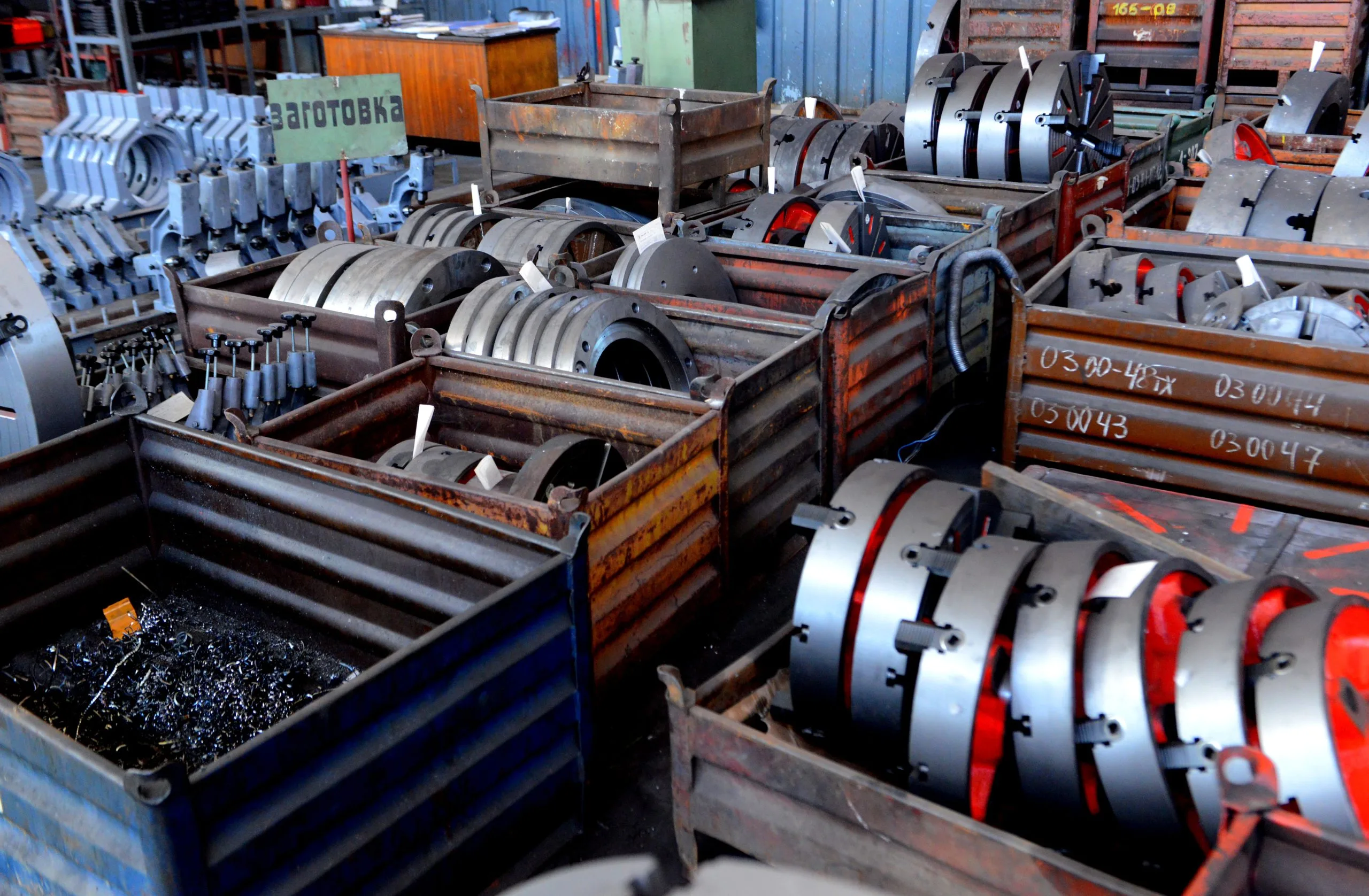
Italy’s advanced materials market is set for steady growth through 2035, supported by the country’s strong manufacturing base, aerospace and automotive clusters, energy-transition investments, and EU-backed industrial policy. Advanced materials—including composites, nanomaterials, specialty polymers, ceramics, carbon fiber, biomaterials, and semiconductor-related materials—are becoming critical to lightweight mobility, renewable energy, medical devices, electronics, and high-performance industrial equipment. Italy remains one of Europe’s major manufacturing economies, with manufacturing value added equal to about 14.55% of GDP in 2024, above the global average of 12.37%.
Key Market Drivers Accelerating Italy’s Advanced Materials Growth
Demand from aerospace, automotive, and industrial manufacturing
Italy’s advanced materials demand is closely tied to high-value sectors such as aerospace, defense, machinery, automotive, packaging, and electronics. Carbon fiber composites, aluminum alloys, high-performance polymers, ceramic coatings, and additive-manufactured materials are increasingly used to reduce weight, improve durability, and meet stricter efficiency standards. In aerospace, Italy’s carbon fiber composites market generated about USD 841.3 million in 2024 and is projected to reach USD 1.57 billion by 2033, growing at a 7.2% CAGR.
Growth of additive manufacturing and digital production
Additive manufacturing is becoming a major route for advanced material adoption, especially for aerospace components, medical implants, tooling, and customized industrial parts. The Italian additive manufacturing market generated around USD 451 million in 2023 and is expected to reach USD 1.9 billion by 2030. Italy also ranks sixth globally among large-scale 3D printer manufacturers, reflecting its strong industrial equipment base.
Energy transition and semiconductor supply-chain localization
Advanced materials are essential for batteries, photovoltaics, hydrogen systems, power electronics, insulation, and critical raw-material recycling. Italy is also attracting semiconductor-related investments. For example, Silicon Box selected Piedmont for a €3.2 billion advanced chip-packaging plant expected to create 1,600 direct jobs, strengthening demand for substrates, specialty chemicals, thermal materials, and precision manufacturing inputs.
Public Funding and Policy Support for Italy’s Advanced Materials Sector
Public policy is a major enabler. Italy’s National Recovery and Resilience Plan allocate €191.5 billion from the EU, with additional national resources bringing total funding to about €222.1 billion for digital transition, ecological transition, infrastructure, and innovation. At the EU level, the European Commission is preparing an Advanced Materials Act, scheduled for 2026, to strengthen industrial leadership, competitiveness, and strategic autonomy in advanced materials.
Competitive Landscape of Italy’s Advanced Materials Industry
The market is moderately fragmented, with competition across material suppliers, chemical companies, aerospace and automotive manufacturers, research centers, universities, and specialized SMEs. Italy’s strength lies in applied manufacturing rather than only upstream material production. Key competitive advantages include industrial districts, engineering capabilities, design-led manufacturing, and proximity to European automotive, aerospace, biomedical, and energy markets. International players are also entering through semiconductor, battery, and clean-tech investments.
Key Challenges Limiting Italy’s Advanced Materials Market Growth
High input costs and raw-material dependence
Italy remains exposed to imported critical minerals, specialty chemicals, rare earths, and energy-intensive feedstocks. This creates cost volatility for producers of composites, batteries, ceramics, and electronic materials. Supply-chain disruptions can delay qualification cycles in aerospace, medical, and semiconductor applications.
Scaling R&D into commercial production
Italy has strong research institutions and SMEs, but commercialization can be slowed by fragmented funding, long certification timelines, limited pilot-scale infrastructure, and skills shortages in materials science, digital manufacturing, and process engineering.
Future Outlook
By 2035, Italy’s advanced materials market is expected to become more specialized, export-oriented, and sustainability-driven. Growth will likely concentrate on carbon fiber composites, recyclable polymers, advanced ceramics, biomaterials, semiconductor materials, lightweight alloys, battery materials, and additive manufacturing powders. Demand will be shaped by electric mobility, aircraft efficiency, defense modernization, circular economy requirements, and EU industrial autonomy goals. While Italy may face constraints from raw-material dependence and fiscal pressure, its manufacturing depth, EU funding access, and strong industrial clusters position it as a relevant advanced-materials hub in Southern Europe through 2035.
Consultants at Nexdigm, in their latest publication “Italy Advanced Materials Market Outlook to 2035,” analyze the sector by System Type (Composites, Metals and Alloys, Polymers, Ceramics), By Platform Type (Natural Materials, Synthetic Materials, Recycled Materials), and By Fitment Type (On-Premise Solutions, Cloud Solutions, Hybrid Solutions). Nexdigm suggests that businesses should prioritize R&D partnerships, invest in scalable production capabilities, and align material innovation with Italy’s high-growth sectors such as aerospace, automotive, renewable energy, semiconductors, and medical technology. Companies should also strengthen supply-chain resilience, explore circular-economy models, and leverage EU and national funding programs to reduce commercialization risks and improve long-term competitiveness.
To take the next step, simply visit our Request a Consultation page and share your requirements with us.
Harsh Mittal
+91-8422857704