
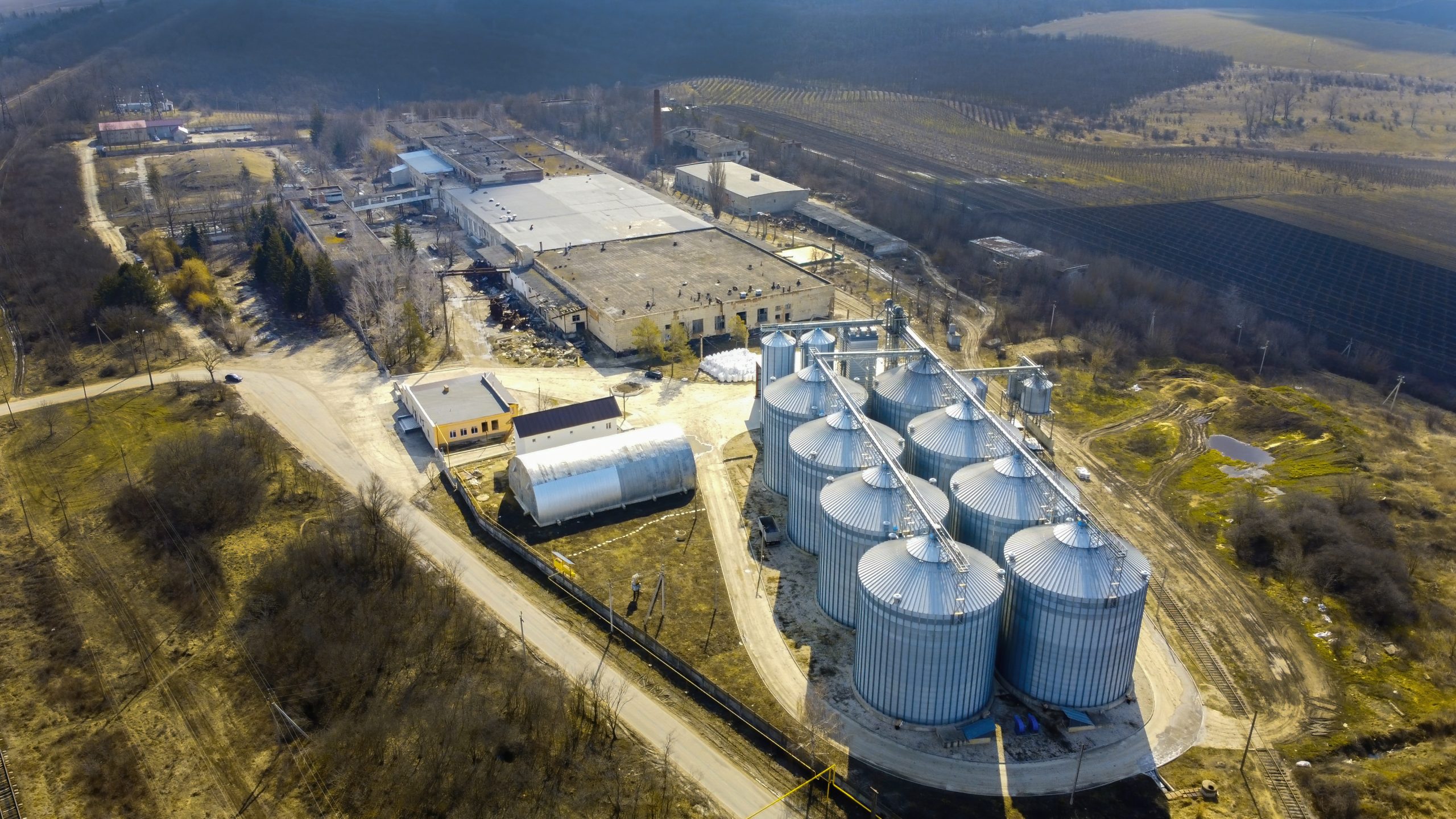
Italy’s industrial ecosystem relies heavily on a stable supply of industrial gases such as oxygen, nitrogen, and argon. Air Separation Units (ASUs) play a vital role in producing these gases for industries ranging from steel manufacturing and chemicals to healthcare and food processing. As Italy continues expanding its industrial output while pursuing energy efficiency and sustainability goals, demand for advanced air separation technologies is steadily increasing. The country’s strong manufacturing base, growing medical gas requirements, and investments in cleaner industrial operations are creating new opportunities for ASU suppliers and technology providers.
Market Drivers Advancing the Italy Air Separation Unit Industry
Expanding Manufacturing and Metal Processing Activities
Italy is one of Europe’s leading manufacturing economies, with strong automotive, machinery, metal fabrication, and industrial equipment sectors. These industries require large volumes of oxygen and nitrogen for cutting, welding, heat treatment, and production processes. Industrial gases have become indispensable for maintaining operational efficiency and product quality. As manufacturers focus on modernization and productivity improvements, investments in high-capacity and energy-efficient ASUs are gaining momentum. Large steel and metal-processing facilities continue to represent significant consumers of oxygen generated through air separation technology.
Rising Demand from Italy’s Healthcare Sector
Healthcare remains another major demand driver for air separation units. Medical-grade oxygen is essential for hospitals, emergency care facilities, and long-term healthcare services. Italy has one of Europe’s largest healthcare infrastructures, supporting millions of hospital admissions annually. The increased emphasis on healthcare preparedness and reliable oxygen supply chains has encouraged investments in domestic gas production capabilities. As healthcare providers expand services and modernize facilities, demand for high-purity oxygen production systems is expected to remain strong.
Growth in Food Processing and Chemical Industries
Italy’s globally recognized food and beverage sector increasingly utilizes nitrogen for food packaging, preservation, and quality control. Similarly, chemical manufacturers depend on industrial gases for various production applications. The country’s food exports exceed €60 billion annually, highlighting the scale of production activities requiring reliable gas supplies. This expanding industrial demand continues to strengthen the business case for both on-site and merchant air separation facilities.
Government Initiatives Supporting the Italy Air Separation Unit Industry
The Italian government supports industrial modernization through programs focused on digital transformation, energy efficiency, and sustainable manufacturing. Various initiatives under industrial competitiveness and energy transition strategies encourage companies to upgrade production facilities with advanced technologies. Investments linked to decarbonization and industrial innovation are further supporting demand for efficient air separation systems that can reduce operating costs while ensuring a stable gas supply across critical sectors.
Competitive Landscape of Italy Air Separation Unit Industry
The Italy Air Separation Unit market features the presence of global industrial gas leaders alongside specialized engineering and equipment providers. Major participants focus on technological innovation, energy-efficient plant designs, and customized gas supply solutions for industrial clients. Strategic partnerships with manufacturing facilities, healthcare institutions, and chemical producers remain key competitive strategies. Market participants are also investing in automation and digital monitoring systems to improve operational efficiency and reliability.
Challenges Facing Italy Air Separation Unit Industry
High Energy Consumption and Operating Costs
Air separation is an energy-intensive process. Fluctuations in electricity prices can significantly impact operating expenses for ASU operators. Maintaining profitability while ensuring reliable gas supply remains a critical challenge for manufacturers and suppliers.
Complex Regulatory and Environmental Requirements
Industrial facilities in Italy must comply with stringent environmental and safety regulations. Meeting these standards can increase project development timelines and capital investment requirements. Companies must continually invest in modern technologies to align with evolving regulatory expectations.
Future Outlook
The future of Italy’s Air Separation Unit market appears positive, supported by industrial modernization, healthcare expansion, and increasing demand for sustainable manufacturing solutions. Growing investments in advanced manufacturing, clean-energy projects, and high-efficiency industrial operations are expected to create new opportunities for ASU deployment. Emerging applications linked to hydrogen production, carbon reduction initiatives, and smart industrial facilities could further expand demand. As Italian industries prioritize operational resilience and environmental performance, air separation technology will remain a critical component of the country’s industrial infrastructure and long-term economic development.
Consultants at Nexdigm, in their latest publication “Italy Air Separation Unit Market Outlook to 2035“ analyze the sector By ASU Technology Architecture (High-Pressure ASUs, Low-Pressure ASUs and Multi-Column Rectification Units), By Regional Distribution (Northern Industrial Corridor and Central Italy Manufacturing Hubs) and By Ownership Business Model (On-Site Captive Production and Merchant Liquid Gas Supply).
Nexdigm suggests that businesses in “Italy Air Separation Unit Industry” focusses on oilfield, desalination, construction, and industrial applications, strengthen local warehousing, develop application-specific grades, improve technical support, and build resilient sourcing networks to serve expanding energy, water, and manufacturing demand.
To take the next step, simply visit our Request a Consultation page and share your requirements with us.
Harsh Mittal
+91-8422857704