
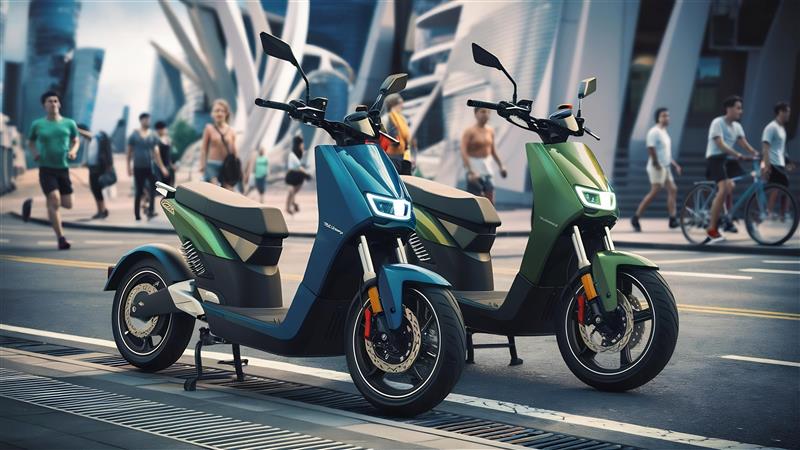
Italy’s electric two-wheeler (E2W) market is evolving rapidly, driven by the country’s push toward sustainable mobility and reduced urban congestion. Electric scooters and e-bikes are increasingly being adopted in cities such as Milan, Rome, and Florence, where short-distance commuting dominates. The market, currently at a nascent stage compared to northern European countries, is expected to witness strong double-digit growth over the next decade. Rising fuel costs, stricter emission norms, and improved affordability are collectively accelerating the transition from conventional two-wheelers to electric alternatives.
Key Growth Drivers Accelerating Adoption of Electric Two-Wheelers in Italy’s Urban Mobility Ecosystem
Urban Mobility Needs and Traffic Congestion
Italy’s densely populated urban centers face persistent congestion and parking constraints, making compact mobility solutions highly desirable. Electric two-wheelers provide a practical alternative for last-mile connectivity and daily commuting. With over 70% of Italy’s population living in urban areas, demand for efficient, low-cost transport is rising steadily. Shared mobility services, particularly e-scooter rentals, have also gained traction, further boosting adoption.
Advancements in Battery Technology
Technological improvements in lithium-ion batteries are significantly enhancing the performance and appeal of electric two-wheelers. Modern E2Ws now offer improved ranges of 60–120 km per charge, making them viable for everyday use. Faster charging solutions and the emergence of battery-swapping models are helping reduce downtime and address range anxiety. These innovations are lowering total cost of ownership, encouraging more consumers to shift toward electric options.
Rising Environmental Awareness
Growing concerns over air pollution and climate change are influencing consumer behavior across Italy. Transport accounts for nearly 25% of greenhouse gas emissions in the country, prompting a shift toward cleaner alternatives. Electric two-wheelers, with zero tailpipe emissions and lower noise pollution, align well with sustainability goals. Increasing awareness among younger consumers and urban professionals is further supporting market growth.
Government Policies and Financial Incentives Supporting Electric Two-Wheeler Adoption in Italy
The Italian government, along with EU-level policies, is actively promoting electric mobility through incentives and regulatory frameworks. Subsidies covering up to 30–40% of vehicle costs have been introduced to encourage EV purchases, including two-wheelers. Additionally, initiatives such as low-emission zones in major cities and investments in charging infrastructure are supporting adoption. National and regional programs are also focusing on expanding urban mobility solutions, making electric two-wheelers more accessible and attractive to consumers.
Competitive Dynamics and Key Players Driving Innovation in Italy’s Electric Two-Wheeler Market
The market is moderately fragmented, with a mix of established manufacturers and emerging players. Companies such as Piaggio, Askoll EVA, Vmoto, Yamaha, and Honda are actively competing in the segment. Domestic players are leveraging strong brand recognition, while international companies are introducing technologically advanced models. Startups and micro-mobility providers are also entering the space, particularly in shared mobility services, intensifying competition and driving innovation.
Key Barriers Impacting the Adoption and Scalability of Electric Two-Wheelers in Italy
Limited Charging Infrastructure
Despite progress, charging infrastructure in Italy remains uneven, particularly outside major cities. This limits the usability of electric two-wheelers for long-distance travel and discourages potential buyers in smaller towns.
High Initial Cost
Although operating costs are lower, the upfront price of electric two-wheelers remains higher than traditional petrol models. This price gap can act as a barrier for cost-sensitive consumers, slowing adoption rates.
Future Outlook
By 2035, Italy’s electric two-wheeler market is expected to become a mainstream segment within the broader mobility ecosystem. Continued government support, declining battery costs, and advancements in technology will play a crucial role in driving growth. The expansion of charging infrastructure and integration with smart city initiatives will further enhance adoption. Additionally, increasing participation from private players and mobility startups is likely to create a more competitive and innovative landscape, positioning electric two-wheelers as a key solution for sustainable urban transport in Italy.
Consultants at Nexdigm, in their latest publication “Italy Electric Two-Wheeler Market Outlook to 2035,” analyze the sector by System Type (Scooters, Motorcycles, Mopeds, E-bikes), By Platform Type (Urban Mobility Platform, Commuter Platform, Delivery), and By Fitment Type (Battery Integrated Systems, Removable Battery System, Hybrid Electric Two-Wheelers). Nexdigm suggests that businesses should align their strategies with evolving urban mobility trends, invest in battery innovation and charging solutions, and actively leverage government incentives to strengthen their position in Italy’s electric two-wheeler market.
To take the next step, simply visit our Request a Consultation page and share your requirements with us.
Harsh Mittal
+91-8422857704