
Italy’s electric vehicle market is no longer a fringe conversation limited to early adopters in Milan or sustainability-focused fleets in Rome. By 2026, the category has moved into a more serious phase, where regulation, consumer economics, and industrial policy are starting to collide in a meaningful way. Italy still trails markets like Norway, the Netherlands, or even Germany in pure battery electric vehicle adoption, but that gap does not tell the full story. The country has a large, small-car base, dense urban mobility patterns, and a strong automotive culture built around practicality and cost-conscious buying decisions. That makes the transition slower, but also potentially more durable once economics begin to work in favor of electric models.
What’s Driving the Electric Vehicle Market in Italy?
EU Emission Rules Are Forcing the Pace
One of the clearest forces behind EV adoption in Italy is not consumer enthusiasm alone, but regulation. Carmakers selling in Europe are under pressure to reduce fleet-wide CO2 emissions, and that changes what gets pushed into the Italian market. In practice, this means more electric city cars, compact SUVs, and entry-level models are being made available to Italian buyers than even a few years ago. That matters because Italy is not a market where large premium EVs will do all the heavy lifting. Affordability matters here more than brand symbolism. The Fiat 500e is a good example of how EV adoption in Italy will likely take shape – smaller footprint, urban usability, and lower operating costs rather than outright performance or luxury appeal.
Charging Infrastructure Is Finally Becoming More Visible
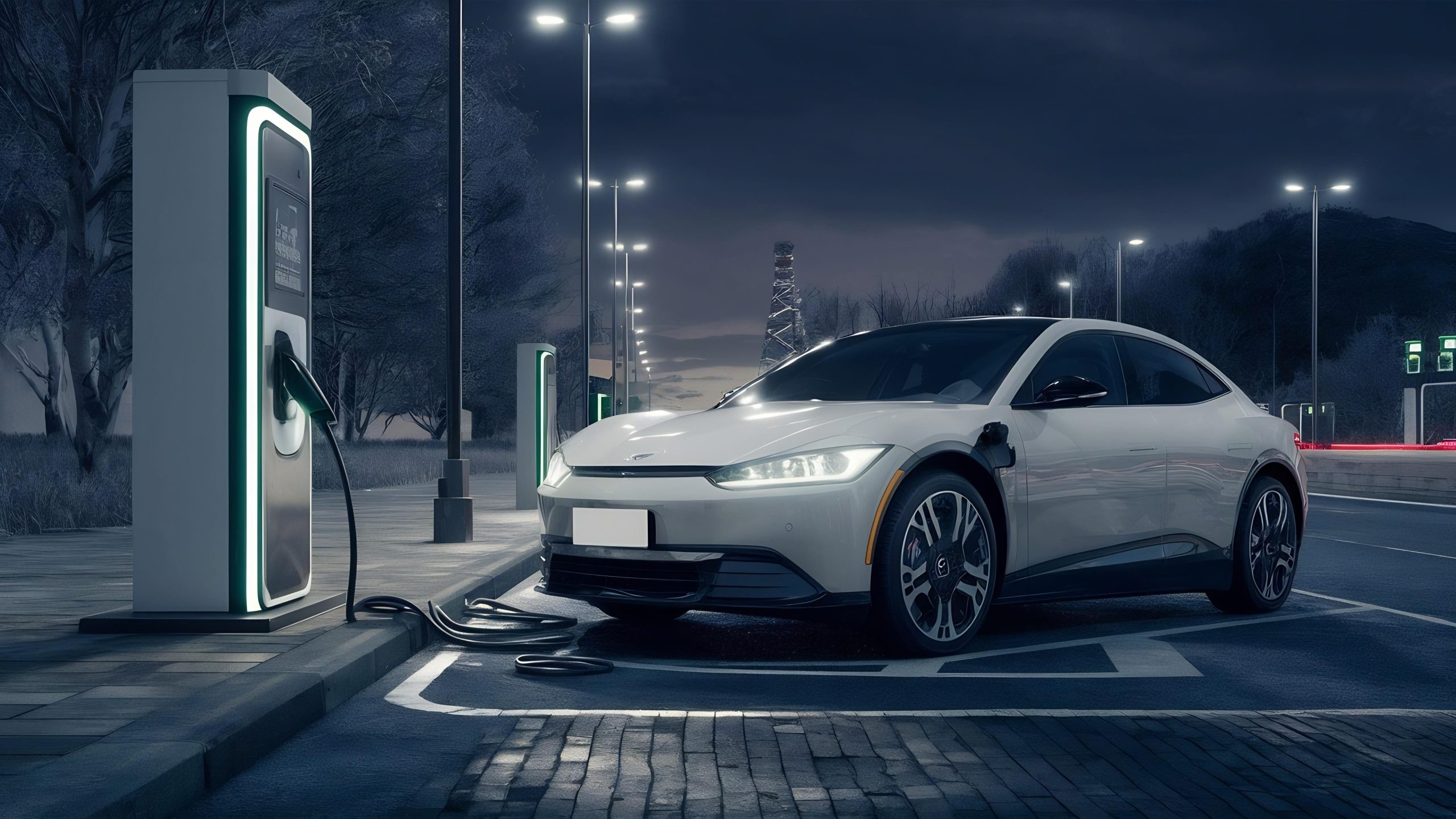
A few years ago, one of the most common complaints around EV ownership in Italy was simple: where exactly do you charge the thing if you live in an apartment block or drive between cities regularly? That concern has not disappeared, but it is becoming less severe. Public charging points are spreading more noticeably across northern and central Italy, especially around motorway corridors, retail parking zones, and high-density city neighborhoods. Fast chargers are still unevenly distributed, and southern regions remain less developed, but the gap is narrowing. On the ground, that shift changes buyer psychology. People do not need chargers everywhere. They just need to feel they will not get stranded between Bologna and Florence or stuck hunting for a charger after work.
Fleet Buyers Are Moving Faster Than Households
Private consumers still hesitate, but businesses are often less sentimental about powertrains. Delivery operators, leasing firms, municipal fleets, and urban service providers are adopting electric vehicles more quickly because the math can work in their favor. If a van runs fixed routes every day and returns to a depot at night, electric starts to make practical sense. This is particularly relevant in Italy’s urban logistics market, where narrow streets, congestion zones, and air-quality restrictions already complicate conventional fleet operations. For many operators, EV adoption is less about climate branding and more about compliance, fuel savings, and lower maintenance over time.
Government-Led Initiatives Supporting EV Adoption
Government support in Italy has helped, though not always in a perfectly consistent way. Incentive programs for EV purchases have periodically boosted demand, especially in the small and midsize passenger car segments. The challenge is that stop-start subsidy design can create artificial spikes followed by softer months, which is not ideal for long-term market confidence. Beyond purchase incentives, charging infrastructure funding and broader EU-backed decarbonization policies are doing some of the heavier lifting. That may ultimately matter more than one-off rebates. A buyer can tolerate a slightly higher upfront cost if charging becomes easier and resale markets become more credible.
Market Competition and Industry Landscape
Italy’s EV market is becoming more crowded, and that is probably a healthy development. Stellantis remains central given Fiat’s local relevance, but competition is no longer limited to traditional European names. Tesla still has brand pull, Volkswagen Group remains aggressive, Renault holds useful ground in urban mobility, and Chinese manufacturers are increasingly hard to ignore in the value segment. That last point is worth watching. Italy is a price-sensitive market, and lower-cost imports could reshape consumer adoption far more than premium innovation ever will. If affordable EVs gain traction, competition will shift from novelty to margins very quickly.
Affordability Still Holds the Market Back
The biggest obstacle is still price. For many Italian households, an EV remains financially difficult to justify unless incentives are available or annual fuel savings are unusually high. A compact petrol or hybrid car still looks safer to the average buyer, especially outside major urban centers. There is also a trust issue. Consumers worry about battery longevity, used vehicle resale, public charging reliability, and whether technology purchased today will feel outdated in three years. Those concerns are not irrational. In fact, they are one of the main reasons adoption has been uneven across regions and income groups.
Future Outlook
Italy’s electric vehicle market should look materially different by 2035, though probably not in a dramatic overnight way. Adoption will likely build first through fleets, compact urban passenger vehicles, and charging-friendly households before spreading more broadly into the mainstream. The turning point will not be awareness. Italians already know what EVs are. The real shift comes when ownership starts to feel financially sensible rather than aspirational.
Consultants at Nexdigm, in their latest publication “Italy Electric Vehicle Market Outlook to 2035”, analyzed the market by Vehicle Type (Battery Electric Vehicles, Plug-in Hybrid Electric Vehicles, Electric Light Commercial Vehicles, Electric Buses), By Charging Type (AC Charging, DC Fast Charging, Home Charging, Public Charging), By End User (Private Consumers, Fleet Operators, Ride-Hailing, Logistics and Delivery), and By Region (Northern Italy, Central Italy, Southern Italy). Nexdigm believes that companies should focus on affordable EV formats, dependable charging access, and fleet-led demand pockets where adoption is likely to become commercially viable first.
To take the next step, simply visit our Request a Consultation page and share your requirements with us.
Harsh Mittal
+91-8422857704