
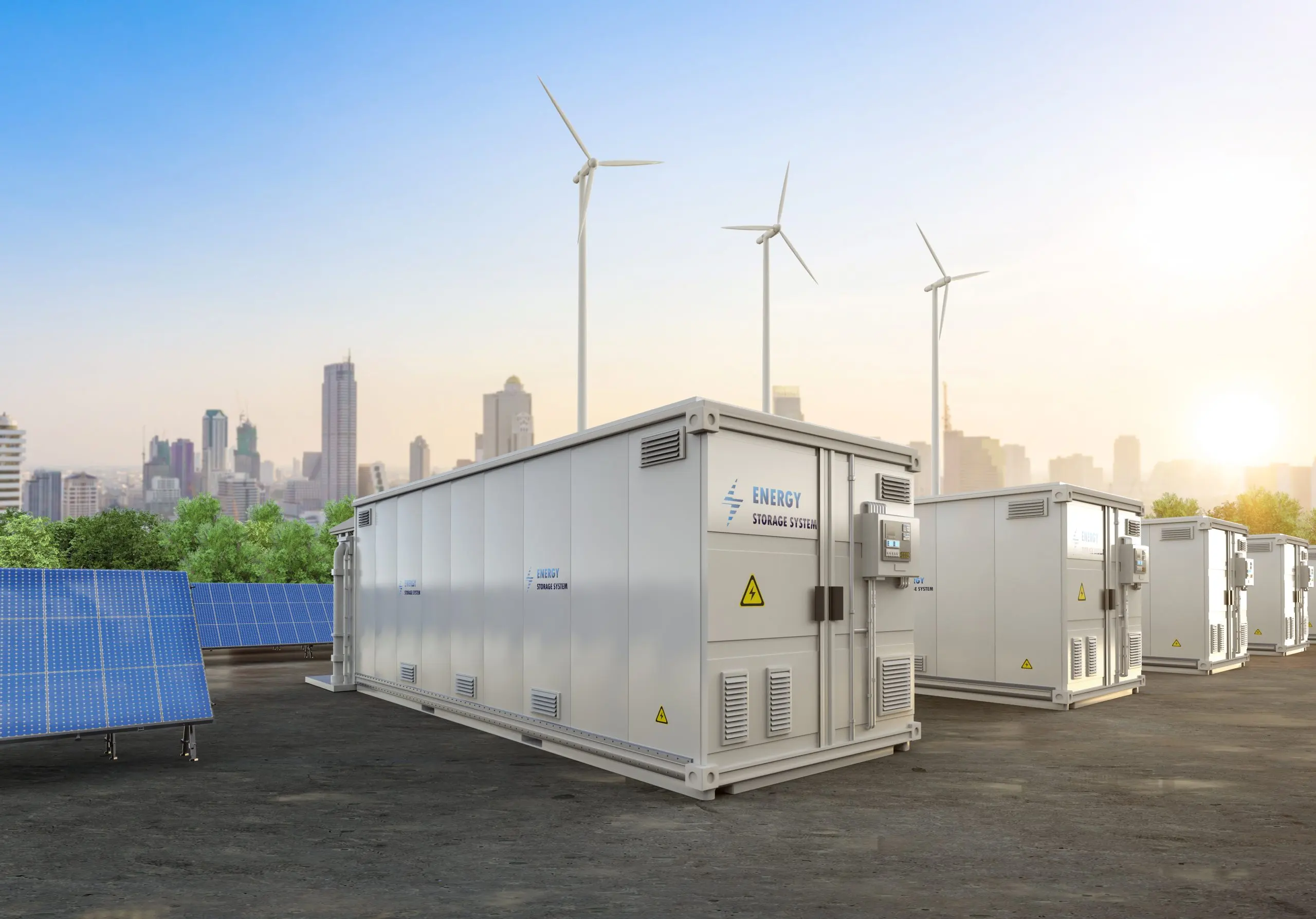
Italy’s energy storage market is rapidly becoming a critical component in the nation’s shift to a more sustainable energy system. As Italy continues to expand its renewable energy capacity, energy storage systems are becoming indispensable for balancing the growing demand for clean power. With a target of 11 GW of storage capacity in the upcoming years, Italy is setting the stage for a greener, more resilient energy grid. The increasing need to store intermittent renewable energy, particularly from solar and wind, is creating vast opportunities for both public and private investment in storage technologies. With technological advancements and favorable policies, energy storage will play a pivotal role in Italy’s decarbonization strategy, supporting its transition to carbon neutrality by next decade.
Key Drivers Behind the Growth of Italy’s Energy Storage Market
The Push for Renewable Energy Integration
Italy’s renewable energy sector has grown rapidly in recent years, with solar and wind playing a central role. As more renewable energy sources come online, the ability to store this energy for when it’s needed most becomes essential. Energy storage systems (ESS) are critical for integrating intermittent renewable generation into the grid, ensuring a stable and reliable electricity supply. With the government’s commitment to 40% renewable energy in the coming years, storage is increasingly seen as a key enabler of this transformation. Energy storage will allow Italy to harness the full potential of its renewable resources, storing excess energy produced during peak generation times and releasing it during periods of high demand.
Technological Innovations Making Storage More Efficient
Technological advancements in energy storage, particularly in lithium-ion and solid-state batteries, have significantly reduced costs and improved the efficiency of storage systems. This has made energy storage not only more affordable but also more reliable, which is key to supporting the fluctuating nature of renewable energy. Over the past few years, the cost of battery storage has fallen sharply, making it more accessible to residential, commercial, and industrial users. As energy storage becomes more cost-competitive, Italy’s market is expected to see rapid expansion, providing more opportunities for businesses and consumers to invest in clean energy solutions.
Consumer Demand for Energy Independence and Flexibility
There is a growing trend among Italian consumers and businesses to seek greater energy independence. The increasing costs of electricity and growing awareness of environmental issues are motivating households and companies to adopt renewable energy systems, paired with energy storage. Homeowners are increasingly installing solar panels with energy storage systems to reduce their reliance on the grid and lower energy bills. Similarly, commercial and industrial businesses are adopting energy storage to manage energy costs and ensure a stable power supply. As these demand-side drivers gain momentum, the Italian energy storage market is set to grow even faster, paving the way for a more decentralized energy system.
Government Support Driving Italy’s Energy Storage Market Growth
The Italian government has been a strong supporter of energy storage through a series of policies and financial incentives designed to accelerate the adoption of clean energy solutions. The National Recovery and Resilience Plan (NRRP) allocates €10 billion to green energy projects, with a significant portion dedicated to energy storage infrastructure. Additionally, Italy’s alignment with EU renewable energy goals under the European Green Deal is helping to shape its regulatory landscape, providing a clear and stable framework for energy storage investments. Incentives such as tax credits and direct subsidies for residential and commercial storage systems are further fueling market growth. The government’s commitment to energy storage is essential in ensuring that Italy’s energy transition remains on track and that the country can effectively integrate renewable energy into its grid.
Competitive Landscape of Italy’s Energy Storage Space
The competitive landscape of Italy’s energy storage market is dynamic, with both local and international players making their mark. Major energy companies such as Enel X, Terna, and Snam are leading the charge, developing large‑scale energy storage projects across the country. These companies are investing heavily in battery storage technologies and grid infrastructure to support Italy’s growing renewable energy capacity. At the same time, smaller startups and specialized technology providers are contributing to the market by offering innovative storage solutions for residential and commercial use. This diverse range of players is driving competition and fostering innovation, ensuring that Italy’s energy storage market remains competitive and at the cutting edge of technology.
Challenges faced in Italy’s Energy Storage Market
Upfront Costs and Financing Issues
Despite the strong growth potential, the energy storage market in Italy still faces significant upfront costs for large‑scale projects, particularly in battery storage systems and the associated infrastructure. While the cost of batteries has decreased in recent years, financing remains a hurdle for many developers, especially for smaller or mid‑sized projects. Securing funding from investors or accessing favorable government incentives is crucial to overcoming these cost barriers and scaling up energy storage capacity in the country.
Grid Integration and Storage Capacity Challenges
The integration of large‑scale energy storage into Italy’s existing grid infrastructure is another challenge. Although significant investments are being made to upgrade the grid, regional differences in infrastructure readiness and transmission capacity can create bottlenecks in some areas. Additionally, there may be delays in the permitting process for new projects, slowing the pace of energy storage deployment. Addressing these infrastructure and regulatory challenges will be critical in ensuring that Italy’s energy storage systems can meet growing demand and contribute effectively to the nation’s renewable energy goals.
Future Outlook
Looking ahead, Italy’s energy storage market is poised for rapid growth, with projections suggesting that energy storage capacity could exceed 11 GW in the coming years. As technological innovations continue to improve storage efficiency and reduce costs, the market will become more accessible to both residential and commercial users. Italy’s energy grid will become more resilient, able to accommodate larger amounts of renewable energy while maintaining reliability and stability. With government policies continuing to support energy storage, and increasing demand from consumers and businesses, Italy is well on its way to becoming a leader in energy storage, contributing significantly to the EU’s renewable energy goals. As energy storage plays a pivotal role in Italy’s energy transition, the sector is set to create new economic opportunities and accelerate the country’s path to carbon neutrality.
Consultants at Nexdigm, in their latest publication Italy Energy Storage Market Outlook to 2035 analyze the sector by Fitment Type (Cloud based platforms, Web based platforms, Integrated platforms, Mobile Storage Solutions, On premise Solutions), by End User segment (Energy and Utilities, Transportation and Mobilities, Government and Public Services).
Nexdigm suggests that businesses in Italy’s energy storage market should focus on innovative technologies and partnerships to enhance efficiency and scalability. Embracing renewable integration and smart grid solutions will enable companies to overcome challenges, capitalize on government incentives, and position themselves as leaders in Italy’s growing energy transition.
To take the next step, simply visit our Request a Consultation page and share your requirements with us.
Harsh Mittal
+91-8422857704