
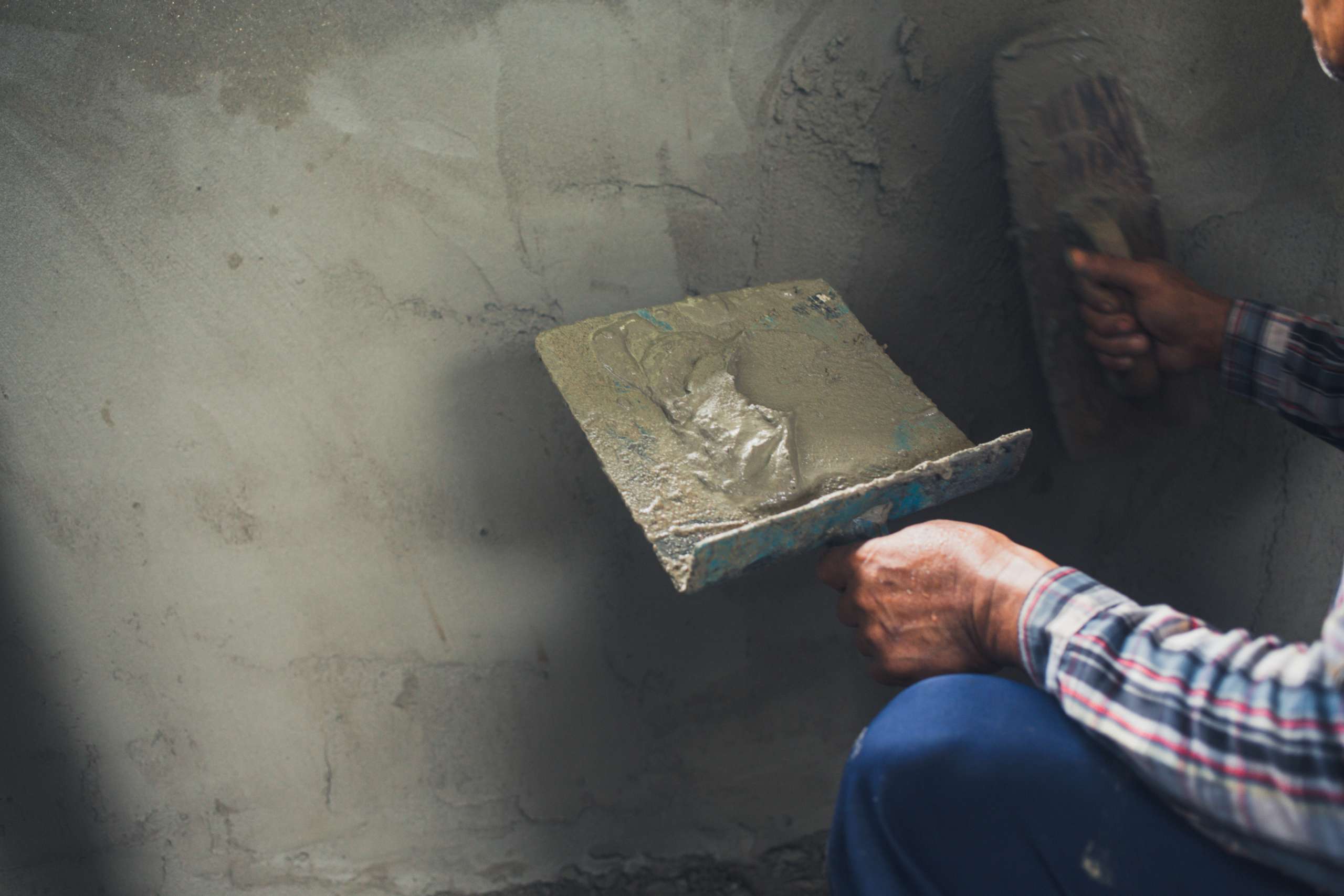
Italy’s green cement market is gaining momentum as the country intensifies efforts to decarbonize its construction sector and modernize aging infrastructure. The construction industry generates more than EUR 220 billion annually and plays a vital role in supporting economic growth through residential renovations, transportation projects, commercial developments, and public infrastructure investments. With over 70% of Italy’s population living in urban areas and buildings accounting for approximately 40% of total energy consumption, demand is increasing for sustainable construction materials that can reduce environmental impact. As developers prioritize low-carbon construction and energy-efficient building practices, green cement is emerging as a key solution for lowering embodied emissions while maintaining strength, durability, and long-term performance.
Key Market Drivers for Italy’s Green Cement Industry
Energy-Efficient Building Renovation Projects Accelerate Green Cement Adoption
Italy possesses one of Europe’s oldest building stocks, with a large share of residential and commercial structures requiring modernization and energy-efficiency upgrades. The country has more than 12 million residential buildings, many of which were constructed before modern sustainability standards were introduced. Growing investments in building renovation and retrofitting projects are increasing demand for environmentally friendly construction materials. Green cement is increasingly being utilized in refurbishment projects to support carbon-reduction objectives while meeting strict durability and performance requirements.
Infrastructure Modernization and Public Investment Programs Support Market Expansion
The Italian government continues to invest heavily in transportation networks, rail corridors, urban mobility systems, ports, and public facilities. Infrastructure modernization programs worth tens of billions of euros are creating significant demand for construction materials across the country. As environmental criteria become more integrated into public procurement and project planning, developers and contractors are increasingly adopting green cement solutions to reduce lifecycle emissions and meet sustainability targets associated with large-scale infrastructure projects.
Circular Economy Initiatives and Industrial Decarbonization Drive Low-Carbon Material Demand
Italy remains one of Europe’s leading manufacturing economies, with strong emphasis on resource efficiency and circular economy practices. The growing use of industrial by-products, recycled materials, and alternative binders is supporting the development of lower-carbon cement products. Additionally, corporate ESG commitments and stricter European environmental regulations are encouraging construction stakeholders to adopt sustainable materials that align with long-term decarbonization goals, creating favorable growth opportunities for green cement manufacturers.
Government Support and Sustainability Initiatives Backed by Climate-Neutrality Goals, Green Building Programs, and Infrastructure Funding
Italy’s green cement market benefits from national and European sustainability initiatives aimed at reducing emissions from the built environment. The country supports the European Union’s goal of achieving climate neutrality by 2050 and continues to invest billions of euros in building renovations, sustainable mobility, renewable energy infrastructure, and energy-efficiency programs. Additionally, buildings account for nearly 40% of overall energy consumption, encouraging policymakers to promote low-carbon construction materials and green building practices. These initiatives are creating favorable conditions for wider adoption of green cement across residential, commercial, and infrastructure developments.
Competitive Landscape Driven by EUR 220 Billion+ Construction Activity and Rising Demand for Sustainable Building Materials
Italy’s green cement market is evolving within a construction sector valued at more than EUR 220 billion annually, supported by ongoing investments in housing, infrastructure, and commercial development. Manufacturers are increasingly investing in clinker-reduction technologies, alternative raw materials, recycled aggregates, and energy-efficient production processes to meet stringent sustainability requirements. Competition is largely based on carbon-reduction performance, product quality, environmental certifications, operational efficiency, and technical expertise. As sustainable construction and green building certifications become more prominent across Italy’s built environment, suppliers offering innovative low-carbon cement solutions are expected to strengthen their competitive positioning.
Major Challenges Facing Italy’s Green Cement Industry
High Energy Costs and Production Transition Challenges
The production of green cement often requires substantial investments in advanced manufacturing technologies, emissions-reduction measures, and alternative fuels. Rising industrial energy costs can increase manufacturing expenses, creating challenges for producers seeking to balance sustainability objectives with competitive pricing strategies.
Regulatory Compliance and Material Availability Constraints
Green cement manufacturers must comply with strict European environmental regulations related to emissions, waste management, and resource efficiency. Additionally, ensuring a consistent supply of supplementary cementitious materials and recycled inputs remains a challenge as demand for sustainable building materials continues to increase across multiple sectors.
Future Outlook
Italy’s green cement market is expected to witness steady expansion, supported by a construction industry exceeding EUR 220 billion, an urbanization rate above 70%, and growing investments in sustainable infrastructure and building renovations. The increasing focus on energy-efficient buildings, circular economy initiatives, and climate-neutral construction practices will continue to accelerate demand for low-carbon cement solutions. Furthermore, the modernization of more than 12 million residential buildings, combined with stricter environmental standards and rising ESG commitments, is expected to strengthen market adoption. Technological advancements in alternative binders, recycled materials, and carbon-efficient production processes will further support long-term growth opportunities through 2035.
Consultants at Nexdigm, in their latest publication “ Italy Green Cement Market Outlook to 2035,” analyse the sector By Cement Type and Mineral Composition (CEM II/A-M (S-LL), CEM II/B-M (V-L) and Calcined Clay Blends), By Production Technology Level (Traditional Kiln with Carbon Capture and Low-Carbon Kiln Feeding Systems) and Distribution Channel (Direct Plant-to-Site Sales, Third-Party Logistics Distributors and Retail Building Material Centers).
Nexdigm suggests that businesses in Germany’s Green Cement Industry focus on accelerating low-carbon production technologies, increasing the use of alternative and recycled materials, and strengthening partnerships with sustainable construction stakeholders to capitalize on the country’s growing demand for climate-neutral buildings and environmentally responsible infrastructure development.
To take the next step, simply visit our Request a Consultation page and share your requirements with us.
Harsh Mittal
+91-8422857704