
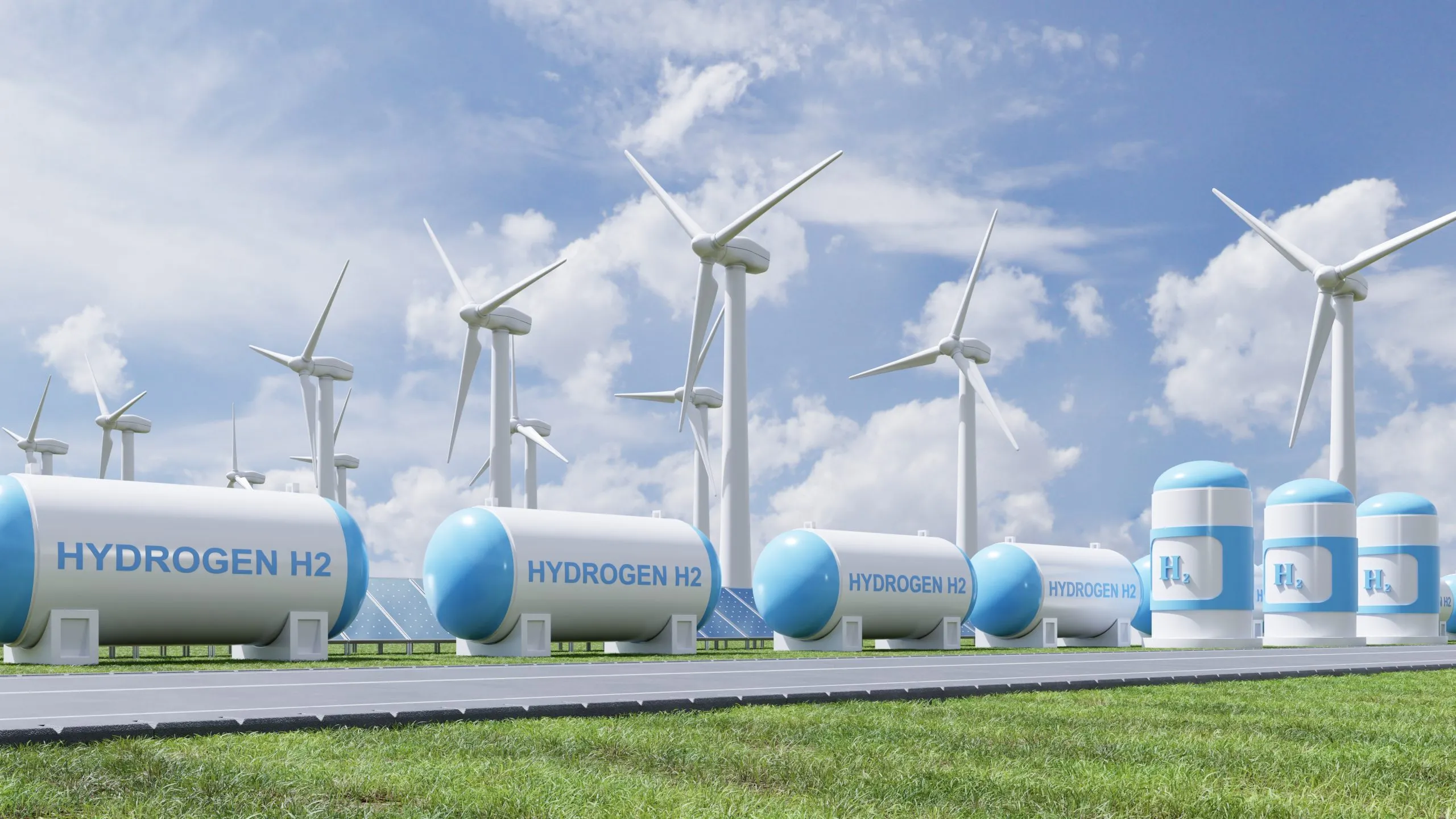
Italy is making great strides in its green hydrogen market, playing a key role in the European Union’s broader push for clean energy. With its favorable renewable energy resources, Italy is quickly positioning itself as a leader in green hydrogen development. The nation is on track to install 5 GW of green hydrogen capacity in the upcoming years and is preparing to invest €10 billion into this sector, signaling strong market confidence. Green hydrogen, produced through renewable energy sources, is poised to help decarbonize hard-to-electrify sectors such as heavy industry, transportation, and power storage. As technology advances and investment flows into the sector, green hydrogen will increasingly play a crucial role in Italy’s journey toward carbon neutrality.
Key Driving Forces Behind Italy’s Green Hydrogen Boom
Commitment to Sustainability and Climate Goals
A major factor driving Italy’s growing green hydrogen market is its commitment to carbon neutrality in the coming years. As part of the European Union’s ambitious climate goals, Italy is determined to meet its renewable energy targets, aiming for 40% of electricity generation from renewable sources as we move towards the future. Green hydrogen is a key player in this transition, helping to reduce carbon emissions in hard-to-decarbonize sectors like transportation and heavy industries. By adopting green hydrogen, Italy is not only pushing towards its own goals but also contributing to the EU’s overarching vision of a sustainable, carbon-free energy system.
Technological Advancements and Cost Reduction
Italy’s green hydrogen sector is being powered by rapid technological advancements in electrolyzer technology, which has significantly improved the efficiency of hydrogen production. These innovations are lowering costs and enhancing the scalability of green hydrogen production. Italy’s investment in these technologies will make hydrogen more affordable and accessible in the coming years. In the coming years, Italy plans to reach 5 GW of electrolyzer capacity, which will further drive down production costs and allow for the integration of hydrogen into various sectors, such as energy storage, transport, and industrial applications.
Increasing Interest from the Private Sector
The private sector is playing an increasingly important role in driving Italy’s green hydrogen market forward. Large corporations, especially those in heavy industry and energy sectors, are looking to integrate hydrogen into their operations to meet sustainability goals and reduce emissions. In addition to industrial applications, power purchase agreements (PPAs) for green hydrogen are gaining popularity, providing a stable long‑term revenue stream for developers. This growing interest from businesses is helping secure investment, paving the way for new projects, and creating a more resilient market that is increasingly attractive to investors.
Government Initiatives Supporting Italy’s Green Hydrogen Revolution
The Italian government is supporting the growth of the green hydrogen market through clear policies and incentives that stimulate innovation and investment. The government has committed to allocating €10 billion to green energy projects under the National Recovery and Resilience Plan (NRRP), with a significant portion dedicated to green hydrogen. These funds support infrastructure development, technology research, and scaling hydrogen production. The government is also working to simplify permitting processes and aligning national regulations with EU directives to make the country an attractive destination for green hydrogen investments. These policies ensure that green hydrogen becomes a central pillar in Italy’s energy mix in the years to come.
Competitive Landscape of Italy’s Green Hydrogen Market
The competitive landscape in Italy’s green hydrogen market is growing and includes a mix of large energy companies and innovative startups. Key players like Enel Green Power, Snam, and ITM Power are already engaged in green hydrogen production, storage, and distribution. These companies are actively investing in both onshore and offshore hydrogen projects to diversify their portfolios. Smaller, specialized firms are also entering the market, providing cutting-edge technology solutions and helping develop local hydrogen infrastructure. This dynamic mix of players ensures Italy’s green hydrogen market remains competitive, diverse, and capable of supporting a range of innovative solutions.
Challenges faced in Italy’s Green Hydrogen Market
High Initial Costs and Financing Hurdles
One of the most significant challenges facing Italy’s green hydrogen market is the high cost of production. While the technology has advanced, producing hydrogen from renewable energy remains expensive, particularly when compared to fossil fuels. The initial capital investment for electrolyzers, storage systems, and infrastructure is also a barrier for many potential developers. Securing financing for large‑scale projects is crucial to ensuring that Italy can meet its green hydrogen targets, and more creative financing mechanisms, such as government subsidies and tax incentives, will be necessary to make green hydrogen more accessible and affordable.
Infrastructure Limitations and Regional Variability
Another obstacle to expanding green hydrogen production is the lack of adequate infrastructure. While some regions of Italy have abundant renewable resources for hydrogen production, the lack of a comprehensive pipeline system and storage facilities can limit the ability to scale up production. Moreover, regional disparities in energy infrastructure mean that some areas are better suited for hydrogen production than others, leading to potential inefficiencies and logistical challenges. Expanding and upgrading infrastructure to accommodate the growth of the hydrogen economy will require significant investment and coordinated planning at both the national and regional levels.
Future Outlook
As we move ahead, Italy’s green hydrogen market is expected to grow significantly, with hydrogen playing a central role in achieving the country’s climate goals. With 5 GW of capacity in the coming years and continued investments from both public and private sectors, Italy is on track to become a key player in the European hydrogen economy. Ongoing advancements in hydrogen technology, coupled with the expansion of renewable energy sources, will ensure that green hydrogen is integrated into more sectors, including industrial manufacturing, transportation, and power generation. As Italy continues to invest in its green hydrogen infrastructure, the market is poised for long‑term growth, providing a cleaner, more sustainable energy source and driving economic development in the process.
Consultants at Nexdigm, in their latest publication Italy Green Hydrogen Market Outlook to 2035 analyze the sector by System Type (Electrolyzers, Storage System, Fuel cells, Distribution Infrastructure, End user equipment), by End User segment (Energy and Utilities, Transportation and Mobilities, Government and Public Services).
Nexdigm suggests that businesses should explore collaborations with the government and international partners to leverage financial incentives, infrastructure support, and technological advancements in the green hydrogen sector. Early adoption of green hydrogen will not only align businesses with Italy’s long-term energy goals but also position them as leaders in a low-carbon economy.
To take the next step, simply visit our Request a Consultation page and share your requirements with us.
Harsh Mittal
+91-8422857704