
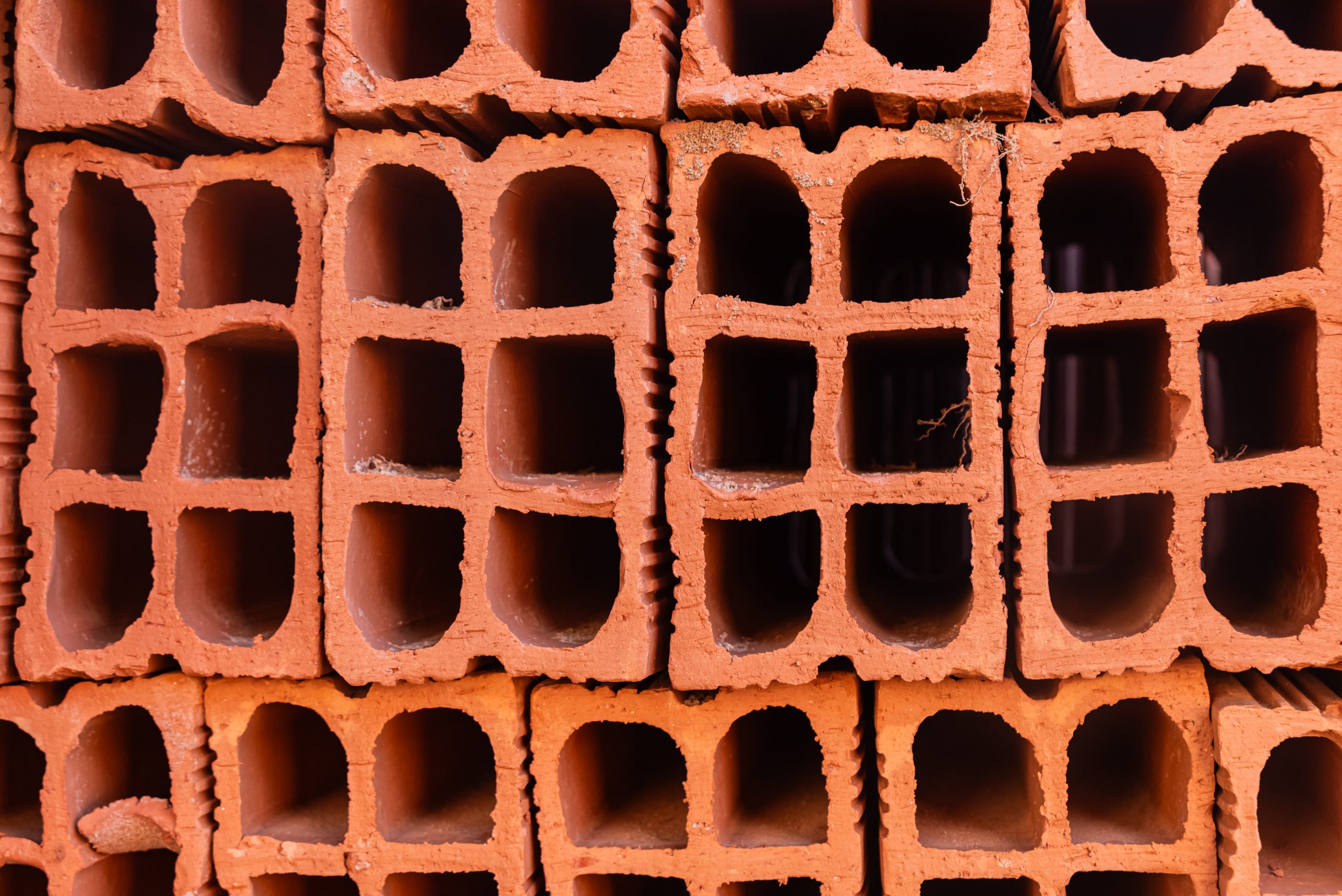
Italy’s hollow concrete blocks market is closely linked to the country’s construction industry, infrastructure development, and growing focus on energy-efficient buildings. Hollow concrete blocks are widely used in residential, commercial, and industrial construction because of their durability, cost-effectiveness, thermal insulation potential, and ease of installation. As Italy continues to modernize its building stock and invest in urban regeneration, demand for reliable masonry materials is expected to remain relevant. By 2035, the market is likely to benefit from renovation activities, sustainable construction practices, and the increasing adoption of advanced building materials.
Key Market Drivers Are Reshaping Demand for Hollow Concrete Blocks in Italy
Infrastructure Development and Public Construction Investments
Infrastructure development is one of the important factors supporting demand for hollow concrete blocks in Italy. Government-backed investments in railway networks, public buildings, schools, healthcare facilities, and urban regeneration projects are creating opportunities for construction material suppliers. According to the European Construction Observatory, Italy’s construction ecosystem generated approximately €438 billion in turnover in 2024. Additionally, construction output increased by 41.3% between 2021 and 2025. These developments highlight the importance of the construction sector in supporting demand for masonry and concrete-based products.
Growing Demand for Energy-Efficient and Sustainable Buildings
Italy’s ageing residential building stock is creating opportunities for modern construction materials. Around 60% of the country’s residential buildings were constructed before the introduction of the first energy-efficiency requirements in 1976. Hollow concrete blocks can contribute to improved building performance when combined with suitable insulation systems and energy-efficient construction designs. Their thermal mass, durability, and potential for efficient material use make them relevant to contemporary building projects. As developers increasingly focus on reducing energy consumption and improving indoor comfort, demand for better-performing masonry solutions is expected to strengthen.
Residential, Commercial, and Urban Development Activities
Urban development and changing housing requirements are also influencing the Italian hollow concrete blocks market. Residential construction, commercial buildings, warehouses, and industrial facilities require durable and economical walling materials. Although new residential construction has experienced fluctuations, non-residential building activity and public infrastructure projects continue to provide opportunities. According to ISTAT, Italy’s construction production index increased by 5.3% in 2024 compared with 2023. This broader construction activity supports the long-term relevance of hollow concrete blocks across different building applications.
Government Policies and Construction Initiatives Are Supporting Industry Development
Government initiatives are playing an important role in modernizing Italy’s construction industry. The country’s National Recovery and Resilience Plan (PNRR), valued at approximately €194.4 billion, includes investments in building energy efficiency, sustainable mobility, infrastructure, and urban development. Around €16.9 billion has been allocated to energy efficiency in residential and public buildings. These initiatives can indirectly support hollow concrete block demand through renovation and construction activities. Additionally, European energy-efficiency regulations are encouraging the adoption of building materials and construction systems that contribute to improved energy performance.
Competitive Landscape of Italy’s Hollow Concrete Blocks Industry
Italy’s hollow concrete blocks market is characterized by regional manufacturers, precast concrete producers, construction material suppliers, and established building product companies. Competition is largely influenced by product quality, pricing, distribution networks, production capacity, and proximity to construction sites. Manufacturers are increasingly focusing on consistent block dimensions, improved strength, insulation compatibility, and efficient production processes. Local suppliers also benefit from serving regional construction contractors and distributors. Going forward, companies investing in sustainable manufacturing, product innovation, and reliable logistics are likely to strengthen their competitive positioning.
Market Challenges Could Influence Production Costs and Demand Growth
Fluctuating Raw Material and Energy Costs
The production of hollow concrete blocks depends on cement, aggregates, water, and electricity. Changes in cement prices, transportation expenses, and energy costs can affect manufacturing margins and final product pricing. Smaller manufacturers may find it difficult to absorb sudden cost increases while remaining competitive against larger producers and alternative masonry materials.
Competition from Alternative Building Materials
Hollow concrete blocks face competition from clay bricks, aerated concrete blocks, lightweight blocks, and other prefabricated walling solutions. Builders often compare materials based on installation costs, insulation performance, structural requirements, and availability. Manufacturers must therefore focus on product quality, affordability, and technical improvements to maintain their market position.
Future Outlook
The Italy hollow concrete blocks market is expected to witness gradual development through 2035, supported by infrastructure investments, urban regeneration, and the modernization of existing buildings. Demand will increasingly depend on construction activity, material affordability, and the industry’s transition towards energy-efficient building practices. Manufacturers adopting low-carbon production methods, recycled aggregates, and improved block designs may gain a competitive advantage. Public infrastructure projects could also create additional demand opportunities as residential construction adjusts to changing economic conditions. Overall, innovation, sustainability, and regional distribution capabilities will shape the market’s long-term growth trajectory.
Consultants at Nexdigm, in their latest publication “Italy Hollow Concrete Blocks Market Outlook to 2035,” analyze the sector by Hollow Block Specification (Load-Bearing Hollow Blocks, Non-Load Bearing Partition Blocks, Specialized Application Blocks, Perimeter Insulation Blocks), By End User Application (Residential Sector, Commercial Infrastructure, Industrial Warehouse Development), and By Raw Material Composition (Cementitious Materials, Recycled Aggregate Infill, Expanded Clay Aggregate).
Nexdigm suggests that businesses should focus on sustainable manufacturing, cost optimization, and product innovation to strengthen their position in Italy’s hollow concrete blocks market. Investing in energy-efficient production technologies, recycled raw materials, and strong regional distribution networks can help manufacturers address evolving construction requirements and capture emerging opportunities through 2035.
To take the next step, simply visit our Request a Consultation page and share your requirements with us.
Harsh Mittal
+91-8422857704