
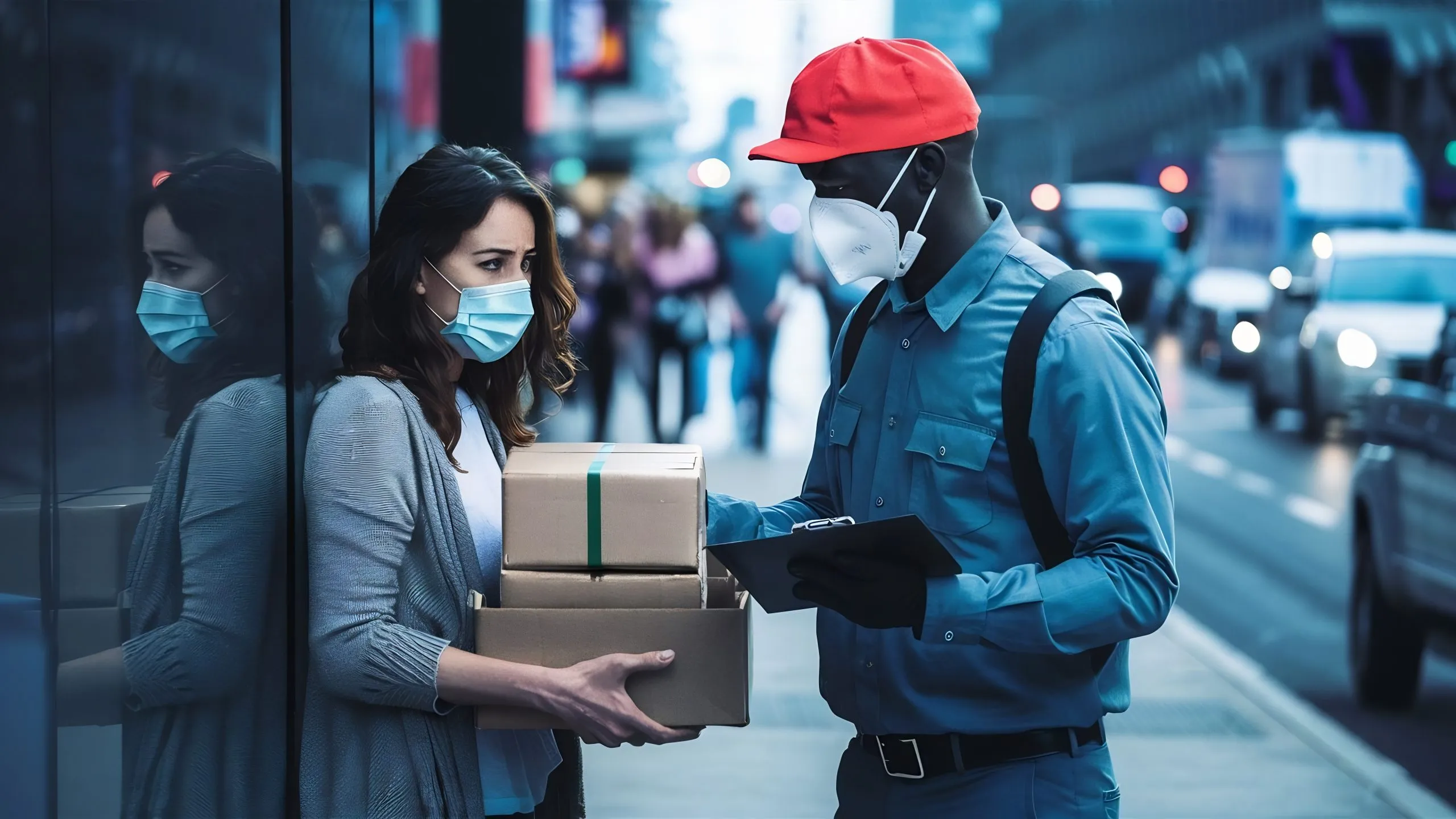
Italy’s last‑mile delivery market is undergoing rapid transformation, driven by shifting consumer expectations and digital commerce growth. Rising e‑commerce penetration, accelerated by the pandemic, has heightened demand for faster, more flexible delivery options across urban and semi‑urban areas. In 2025, Italy’s e‑commerce sales are projected to exceed €60 billion, with last‑mile delivery becoming a critical competitive differentiator for logistics providers and retailers. As stakeholders adopt new technologies and service models, the market is poised for sustained evolution through 2035, balancing efficiency, cost pressures, and environmental considerations.
Key Market Drivers Shaping Italy’s Last-Mile Delivery Landscape
E‑Commerce Expansion
E‑commerce growth remains the dominant driver of last‑mile delivery demand in Italy. Year‑on‑year online retail sales outpace traditional retail, with sectors such as fashion, electronics, and groceries contributing significantly. Customers increasingly expect same‑day or next‑day delivery, pressuring logistics providers to optimize routes and expand fulfillment networks. Urban density in cities like Milan and Rome adds complexity, prompting investment in micro‑fulfillment centers and parcel lockers to reduce delivery times and costs.
Technological Adoption
Digital logistics platforms and automation are reshaping last‑mile operations. Italy’s delivery firms are adopting route optimization software, real‑time tracking, and AI‑powered demand forecasting to improve operational efficiency. Autonomous delivery solutions, including drones and ground robots, are in pilot phases in select regions, reflecting a broader shift toward tech‑enabled delivery ecosystems. Investments in electric vehicles (EVs) further align operations with sustainability targets while reducing operating expenses.
Rising Consumer Expectations
Italian consumers prioritize convenience, transparency, and flexibility. Options such as time‑window deliveries, click‑and‑collect, and return management services are increasingly table stakes. Customer tolerance for delays is decreasing, reinforcing the need for agile last‑mile solutions that can adapt to fluctuating order volumes and peak seasons without compromising service quality.
Government Support and Initiatives Driving Sustainable Last-Mile Delivery in Italy
The Italian government and EU frameworks support sustainable logistics through incentives for low‑emission vehicles and green urban freight zones. Funding programs encourage the adoption of EVs and alternative fuel infrastructure, while city‑level regulations aim to reduce congestion and emissions in historic centers. Pilot projects for smart logistics hubs and shared delivery models align with national digitalization goals, facilitating more efficient and environmentally responsible for last‑mile delivery operations.
Competitive Landscape and Key Players in Italy’s Last-Mile Delivery Market
Italy’s last‑mile delivery market features a mix of global couriers, regional carriers, and specialized local providers. Major players are expanding service portfolios with tech‑driven solutions, while startups focus on niche segments such as on‑demand delivery and sustainable logistics. Strategic partnerships between retailers and logistics firms, as well as mergers and acquisitions, are reshaping competitive dynamics.
Key Challenges Facing Italy’s Last-Mile Delivery Market
Urban Congestion and Costs
High traffic congestion in Italian cities increases delivery times and operational costs. Limited access to historic centers constrains large vehicle movements, necessitating smaller fleets and creative routing strategies.
Profitability Pressures
Intense competition and customer demand for low‑cost, fast deliveries compress margins. Investments in technology and green fleets require significant capital, challenging smaller carriers.
Future Outlook
Through 2035, Italy’s last‑mile delivery market is expected to mature with broader adoption of automation, data‑driven operations, and sustainable logistics solutions. E‑commerce growth will continue to underpin demand, but success will hinge on balancing efficiency with environmental imperatives. Collaborative models—including shared delivery networks and urban consolidation centers—will reduce costs and emissions. Investments in AI, EVs, and flexible service offerings will differentiate market leaders. Policymakers and industry stakeholders will play critical roles in shaping infrastructure and regulatory frameworks that support scalable, resilient last‑mile delivery systems.
Consultants at Nexdigm, in their latest publication “Italy Last‑Mile Delivery Market Outlook to 2035,” analyze the sector by System Type (Courier and Parcel Delivery Systems
On-Demand Delivery Services, Same-Day Delivery Networks, Scheduled Delivery Logistics Systems), By Platform Type (Road-Based Delivery Platforms, Electric Vehicle Delivery Platforms, Drone Delivery Platforms), and By Fitment Type (Company-Owned Delivery Fleets, Third-Party Logistics Integrated Delivery, Hybrid Fleet Delivery Systems). Nexdigm suggests that businesses should focus on enhancing operational efficiency, adopting sustainable technologies, and leveraging data-driven insights to navigate the growing complexities of the last-mile delivery market. As consumer expectations evolve and regulatory frameworks tighten, integrating innovative solutions like electric vehicles, AI-powered logistics platforms, and smart delivery hubs will be crucial. By prioritizing flexibility, speed, and sustainability, companies can not only meet the rising demand for quicker, greener deliveries but also differentiate themselves in an increasingly competitive landscape.
To take the next step, simply visit our Request a Consultation page and share your requirements with us.
Harsh Mittal
+91-8422857704