
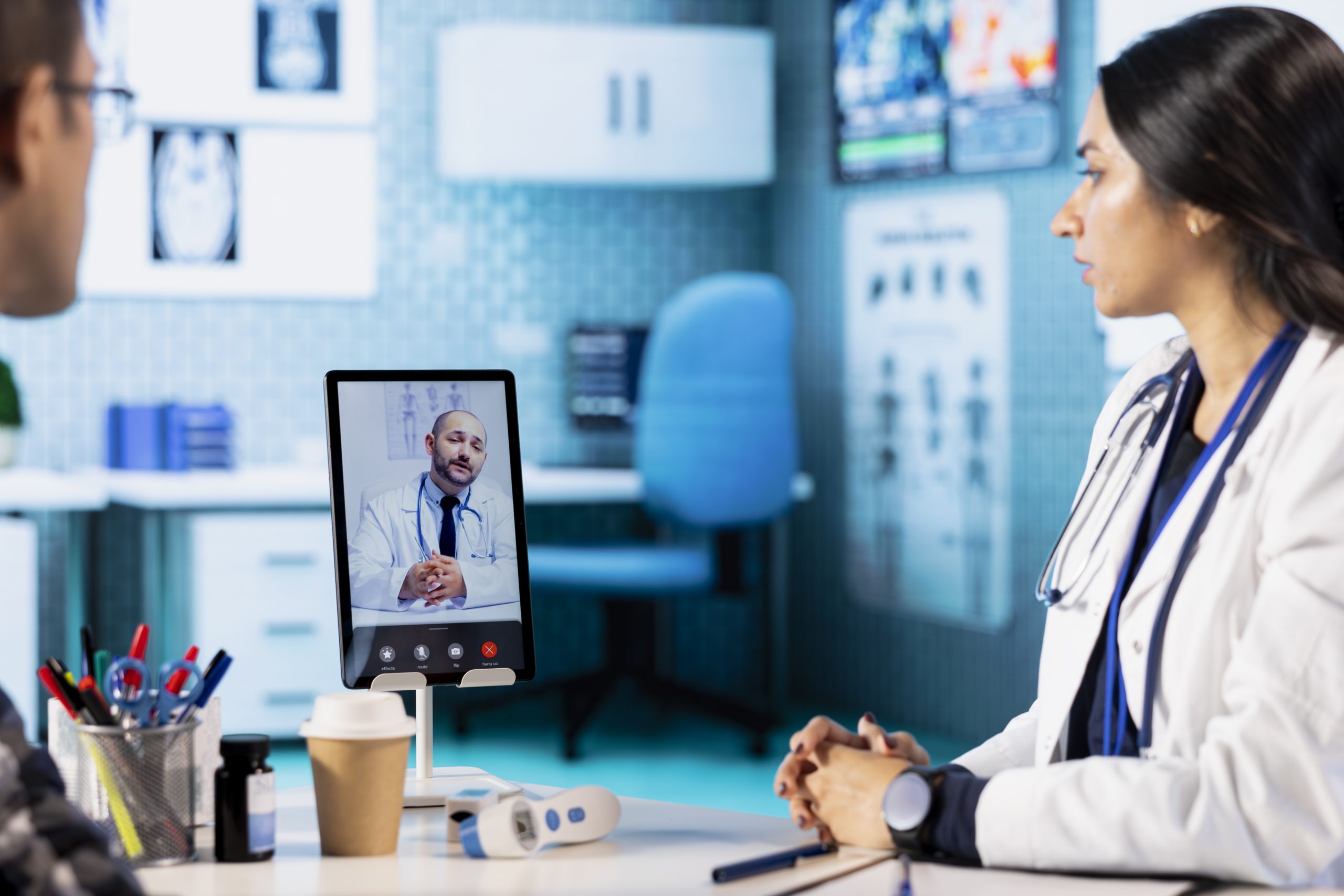
The Italy telemedicine market is undergoing rapid transformation, driven by digital health adoption and evolving patient needs. Valued at approximately USD 2.98 billion in 2023, the market is projected to exceed USD 10.2 billion by 2030, reflecting a strong CAGR of over 19%. Telemedicine has gained traction as a cost-effective and accessible healthcare delivery model, particularly following the COVID-19 pandemic. Increasing demand for remote consultations, chronic disease management, and improved healthcare access in rural regions is positioning telemedicine as a critical pillar of Italy’s future healthcare ecosystem.
Primary Factors Accelerating Telemedicine Adoption in Italy
Rising Demand for Accessible Healthcare
Italy’s aging population and growing burden of chronic diseases are major drivers of telemedicine adoption. Remote patient monitoring and teleconsultation services enable continuous care while reducing hospital visits. Telemedicine also addresses geographic disparities, especially in rural areas where healthcare access is limited.
Rapid Digital Health Adoption
The integration of advanced technologies such as AI, mobile health apps, and wearable devices is accelerating market growth. Telehealth visits surged significantly during the pandemic, with reports indicating up to a 300% increase in 2020. This shift has normalized virtual care, making it a preferred option for both patients and providers.
Cost Efficiency and Healthcare Optimization
Telemedicine reduces healthcare costs by minimizing hospital admissions, travel expenses, and unnecessary in-person visits. It also improves operational efficiency for hospitals, which currently dominate telemedicine adoption in Italy. As healthcare systems face increasing pressure, telemedicine offers scalable solutions for delivering high-quality care while optimizing resources.
Government Support / Initiatives
The Italian government has played a crucial role in promoting telemedicine adoption through regulatory frameworks and digital health policies. In 2023, new guidelines were introduced to standardize teleconsultations and reimbursement mechanisms, integrating telemedicine into the national healthcare system. Additionally, broader digital health initiatives aim to expand electronic health records and improve nationwide access to remote care services, strengthening the foundation for long-term market growth.
Competitive Landscape
The Italy telemedicine market features a mix of global leaders and domestic innovators. Key players include Teladoc Health, Philips Healthcare, Siemens Healthineers, and local platforms such as Dottori.it and My Doctor. Companies are focusing on partnerships, service expansion, and technological innovation to strengthen their market presence. The emergence of startups and niche telehealth providers is intensifying competition, leading to a more dynamic and innovation-driven ecosystem.
Market Challenges
Regulatory and Integration Barriers
Despite strong growth, challenges remain around regulatory compliance, particularly with data protection laws such as GDPR. Integration of telemedicine platforms with existing healthcare infrastructure can also be complex and costly.
Digital Skills and Adoption Gaps
Limited digital literacy poses a barrier to widespread adoption. Only about 45.8% of Italians possess basic digital skills, below the EU average, which may hinder telemedicine usage among certain populations.
Future Outlook
The outlook for Italy’s telemedicine market to 2035 remains highly positive, supported by technological innovation, policy backing, and growing patient acceptance. The integration of AI, big data, and wearable health technologies is expected to enhance diagnostic accuracy and personalized care. Expansion into home healthcare and remote monitoring will further drive adoption. As infrastructure improves and digital literacy increases, telemedicine is likely to become a mainstream healthcare delivery model, bridging access gaps and improving efficiency across Italy’s healthcare system.
Consultants at Nexdigm, in their latest publication “Italy Telemedicine Market Outlook to 2035,” analyze the sector by System Type (Telemedicine Platforms, Remote Patient Monitoring Systems, Teleconsultation Services, Telehealth Devices), By Platform Type (Cloud-Based Platforms, On-Premise Solutions, Mobile Platforms), and By Fitment Type (On-premise Solutions, Cloud-based Solutions, Hybrid Solutions). Nexdigm suggests that businesses should align their strategies with evolving telemedicine trends to remain competitive in the market. This includes leveraging digital health innovations, adopting patient-centric care models, and integrating scalable telemedicine solutions to meet rising healthcare demand. By proactively responding to shifting market dynamics and investing in advanced technologies, organizations can enhance service delivery, improve patient outcomes, and strengthen their position within Italy’s rapidly expanding telemedicine ecosystem.
To take the next step, simply visit our Request a Consultation page and share your requirements with us.
Harsh Mittal
+91-8422857704