
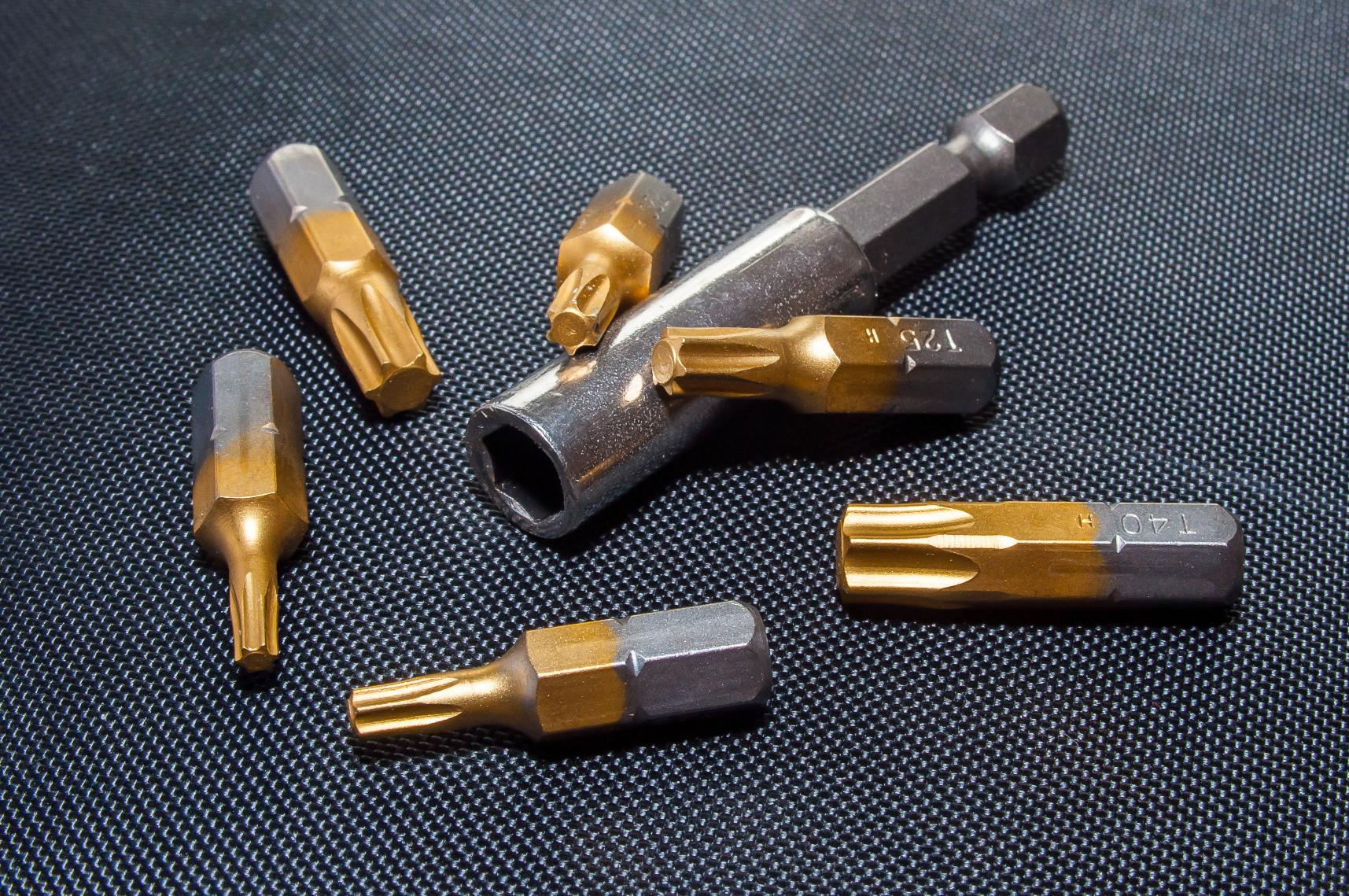
Italy’s titanium metal industry is witnessing steady expansion, supported by increasing demand from aerospace, medical, and advanced manufacturing sectors. The industry is projected to reach approximately USD 482.4 million and grow at a 5.4% CAGR through 2035. Titanium’s exceptional strength-to-weight ratio, corrosion resistance, and biocompatibility make it a critical material for aircraft components, medical implants, and industrial applications. The growing adoption of additive manufacturing technologies and investments in sustainable metallurgy are further accelerating industry development, positioning Italy as an important hub for high-performance titanium production in Europe.
Market Drivers Advancing Italy Titanium Metal Growth
Strong Demand from Aerospace Manufacturing
Italy remains a key contributor to Europe’s aerospace supply chain, with Turin serving as a prominent production hub for advanced aerospace components. Titanium alloys are extensively used in aircraft structures, engines, and landing gear due to their lightweight properties and durability. As commercial aviation expands and aerospace manufacturers seek fuel-efficient solutions, demand for titanium products continues to rise. The material can reduce aircraft weight significantly compared to conventional metals, helping improve fuel efficiency and operational performance.
Increasing Adoption in Medical Applications
The healthcare sector is becoming an important growth contributor to the titanium industry. Milan’s advanced medical technology ecosystem is driving the adoption of titanium-based orthopedic implants, prosthetics, and dental applications. Titanium’s biocompatibility and resistance to corrosion make it one of the most preferred materials for long-term medical implants. Rising healthcare expenditures, aging populations, and growing demand for advanced medical treatments are expected to strengthen industry growth.
Expansion of Additive Manufacturing Technologies
Italian manufacturers are increasingly utilizing 3D printing and additive manufacturing techniques for titanium component production. These technologies can reduce material waste by up to 60% compared with traditional machining methods while enabling the creation of complex geometries. The transition toward additive manufacturing is improving production efficiency, lowering costs, and enhancing sustainability across high-performance manufacturing operations.
Government Initiatives Supporting Italy Titanium Metal Sector
European and Italian regulatory frameworks promote sustainable titanium production practices. The European Chemicals Agency (ECHA) and REACH regulations encourage environmentally responsible manufacturing, recycling, and material recovery processes. These requirements are driving investments in closed-loop recycling systems and titanium sponge recovery technologies. Additionally, industrial innovation and advanced manufacturing programs supported by national and EU initiatives continue to strengthen Italy’s position in high-value metallurgy and aerospace production.
Competitive Landscape of Italy Titanium Metal Industry
The industry consists of specialized titanium producers, aerospace suppliers, and advanced metallurgy companies competing through technological innovation and production efficiency. Key participants include Titanium International Group, ATI Specialty Materials, Carpenter Technology, Timet, and regional aerospace alloy suppliers. Companies are expanding vacuum arc remelting capacities, investing in additive manufacturing technologies, and focusing on sustainable production practices to strengthen competitiveness in both domestic and international markets.
Challenges Impacting Italy Titanium Metal Industry
Dependence on Raw Material Availability
Titanium production relies on access to high-quality raw materials and complex processing technologies. Supply chain disruptions and fluctuations in raw material costs can affect production efficiency and profitability across the sector.
High Production and Processing Costs
Titanium extraction, refining, and alloy manufacturing require substantial energy and capital investments. These high production costs can limit adoption in price-sensitive applications and create competitive pressure from alternative materials.
Future Outlook
Aerospace and Healthcare Demand Driving Growth
The continued expansion of aerospace manufacturing and medical implant production is expected to create substantial opportunities for titanium producers. Increasing requirements for lightweight, high-strength materials will support long-term industry development.
Sustainable Metallurgy Strengthening Industry Expansion
Investments in recycling technologies, resource-efficient production processes, and additive manufacturing solutions are expected to improve competitiveness and sustainability. As manufacturers align with circular economy principles and environmental regulations, Italy’s titanium metal sector is well-positioned to achieve sustained growth while maintaining its role in Europe’s advanced materials and engineering landscape.
Consultants at Nexdigm, in their latest publication “Italy Titanium Metal Market Outlook to 2035 ,” analyze the sector By (Define Italian Titanium Scope, Top-Down Production Volume Sizing, Bottom-Up Aerospace Demand Projection, Supply Chain Constraint Analysis).
Nexdigm suggests that businesses in the Italy Titanium Metal Industry focus on aerospace manufacturing, medical implant innovation, and additive manufacturing technologies. Investments in sustainable metallurgy, titanium recycling, and advanced alloy production can help companies enhance competitiveness, improve resource efficiency, and capitalize on growing demand for high-performance materials.
To take the next step, simply visit our Request a Consultation page and share your requirements with us.
Harsh Mittal
+91-8422857704