
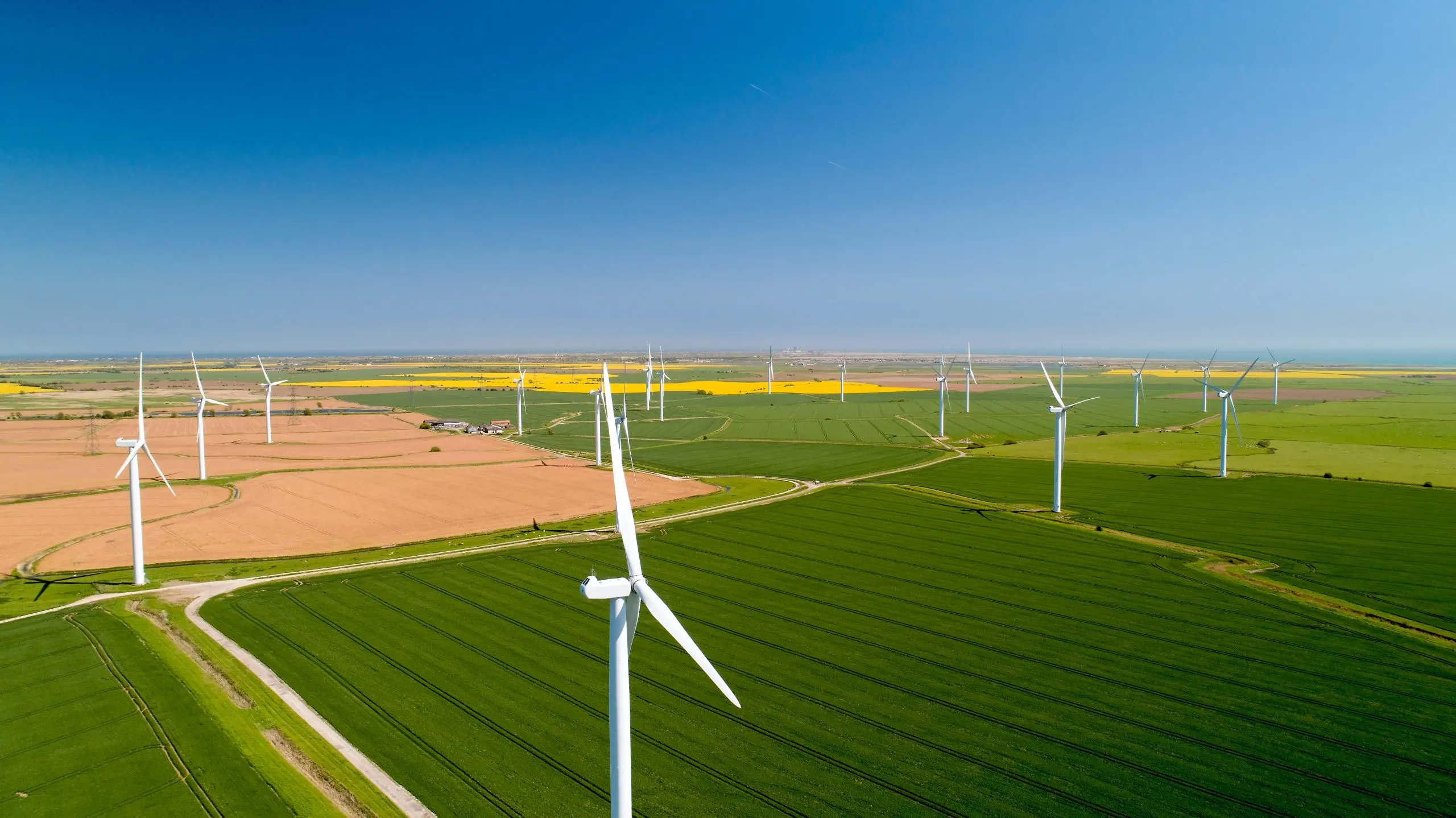
Italy’s wind energy market is on the rise as the country accelerates its shift to renewable energy. With its natural advantage of consistent wind resources, particularly in regions like Sicily, Sardinia, and southern mainland, Italy is embracing the potential of wind power to meet its EU climate commitments and national energy goals. The country aims to reach 20 GW of wind capacity in the coming years, and as technology advances, this capacity is expected to grow even further. Wind power is no longer just an alternative it is a key player in Italy’s clean energy future. The market’s growth is paving the way for new opportunities in job creation, infrastructure, and green energy investments. With the government’s proactive role and market interest, Italy is positioning itself to be a renewable energy leader in Europe.
Factors Driving Italy’s Wind Energy Market
National Commitments and EU Climate Goals
Italy’s national targets, aligned with EU commitments, are driving a strong push for renewable energy growth. The government has laid out a plan under the Integrated National Energy and Climate Plan (NECP) to meet the ambitious goal of generating 40% of its electricity from renewables in the coming years. Wind energy is central to this transformation, as it can significantly reduce Italy’s reliance on fossil fuels and help curb carbon emissions. With policies that encourage large‑scale wind projects and smaller community-based initiatives, Italy is on track to see a substantial increase in wind energy deployment. These ambitious targets are not just about numbers they’re about creating a sustainable, energy-independent future for the country.
Technological Innovation Driving Efficiency
The wind industry has seen remarkable advancements in technology, leading to more efficient turbines and reduced costs. Modern wind turbines are larger and more efficient, capturing more wind energy even at lower wind speeds, which maximizes energy output. As offshore wind technology progresses, it opens up new possibilities for expansion along Italy’s coastline, especially in the Mediterranean, where the wind resources are abundant. These technological advancements are not only improving energy efficiency but also lowering the cost of wind energy, making it more competitive with traditional energy sources. As these innovations continue, Italy’s wind energy potential is set to expand further.
Growing Demand for Clean Energy from Consumers and Businesses
On top of supportive government policies, there’s a rising demand for clean energy from both businesses and consumers. Many Italian companies are committing to sustainability goals, and wind energy is a key part of their strategy. Power purchase agreements (PPAs) with wind developers are becoming increasingly popular, providing a stable revenue stream for wind projects. Similarly, consumers are becoming more environmentally conscious, turning to green energy tariffs and rooftop wind solutions as part of Italy’s broader shift toward sustainable energy consumption. This growing demand for green power from both residential and commercial sectors is creating a favorable environment for wind energy to thrive.
Italian Government Supporting Wind Energy Growth
Italy’s government is playing a key role in accelerating the wind energy sector’s development. Initiatives like feed-in tariffs and renewable energy auctions offer guaranteed prices for wind energy producers, making investments more attractive. Additionally, the government’s commitment to simplifying permitting processes and improving the regulatory environment is helping developers navigate the complex approval landscape. Italy is also actively involved in EU renewable energy programs, securing funding for infrastructure projects that integrate wind power into the grid. The country’s energy transition is backed by forward-thinking policies that align with its carbon neutrality objectives, creating the perfect environment for wind energy to grow and flourish.
Competitive Insights Shaping Italy’s Wind Energy Market
Italy’s wind energy market is a dynamic mix of established energy giants and emerging players. Large players like Enel Green Power, ERG, and Terna are leading the charge with major onshore and offshore projects. However, Italy’s wind energy landscape also includes smaller independent producers, local developers, and engineering, procurement, and construction (EPC) firms that are pushing for growth in niche areas like community wind farms. As the industry expands, Italy’s competitive landscape is also evolving, with new players bringing fresh innovations and project ideas to the market. These collaborations between experienced developers and newer entrants are driving the growth of Italy’s renewable energy sector.
Challenges Facing Italy’s Wind Energy Market
Financing and Investment Barriers
Despite Italy’s favorable conditions for wind energy, high initial investment costs can be a challenge. While technological advancements have driven operational costs, the upfront capital required to develop large‑scale wind projects remains significant. Many smaller developers struggle to secure financing, which can delay project timelines and affect the pace of growth. Additionally, long project lead times due to regulatory hurdles can increase the financial risks for investors. A more robust and accessible financing framework, along with risk mitigation mechanisms, would help accelerate Italy’s wind energy deployment.
Grid Integration and Regional Disparities
One of the primary challenges Italy faces in scaling wind energy is grid integration. In areas with high wind generation potential, such as Sardinia, the existing grid infrastructure is often inadequate to handle the fluctuations in wind energy supply. Upgrades are necessary to ensure reliable delivery to consumers, especially during peak demand periods. Moreover, regional imbalances in wind resource distribution mean that some areas are more suited for wind projects than others, which can lead to infrastructure bottlenecks. Addressing these challenges requires coordinated action between developers, grid operators, and regulators.
Future Outlook
Looking ahead, Italy’s wind energy market will continue its upward trajectory, with wind power expected to contribute significantly to the country’s energy mix. With 20 GW of wind capacity in the coming years, Italy is on track to expand even further in the following years, potentially reaching 40 GW as we move ahead. Offshore wind technology will open up new regions for development, while ongoing technological advancements will further reduce costs and improve efficiency. As Italy’s energy transition progresses, wind power will be a key pillar in achieving carbon neutrality. The combination of supportive policies, market demand, and innovation positions Italy to be a leader in Europe’s renewable energy future.
Consultants at Nexdigm, in their latest publication “Italy Wind Energy Market Outlook to 2035,” analyze the sector by System Type (Onshore Wind Systems, Offshore Wind Systems, Small-scale Wind Systems, Utility-scale Wind Systems), By Platform Type (Onshore Platforms, Offshore Platforms, Floating Platforms), and By Fitment Type (Fixed Solutions, Floating Solutions, Hybrid Solutions).
Nexdigm suggests that businesses in Italy should stay informed about the latest trends and regulatory changes in the wind energy sector to effectively navigate the evolving landscape. By understanding market dynamics, technological advancements, and government policies, companies can better position themselves to capitalize on opportunities and overcome potential challenges.
To take the next step, simply visit our Request a Consultation page and share your requirements with us.
Harsh Mittal
+91-8422857704