
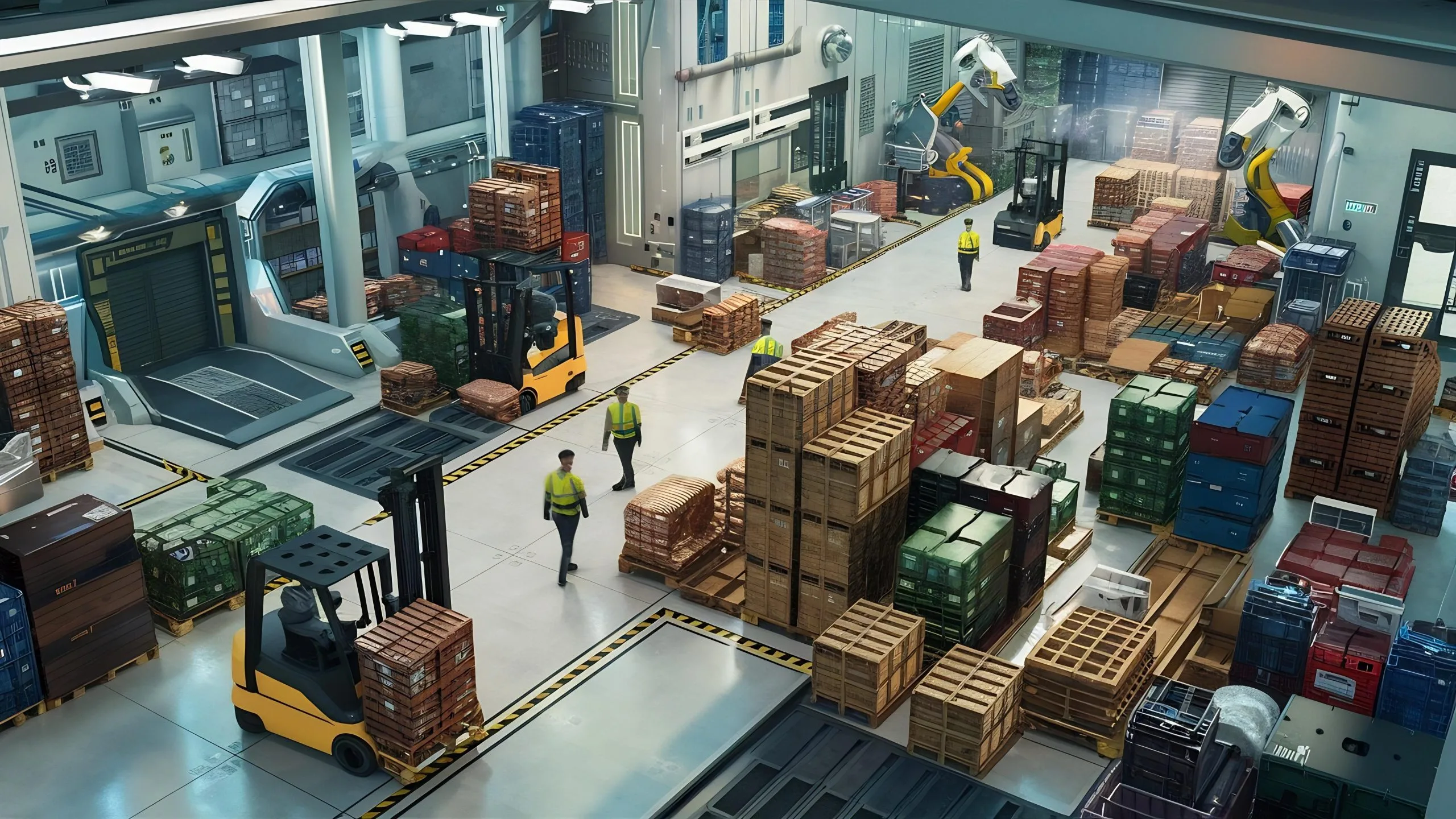
The Japan third‑party logistics (3PL) market is poised for sustained expansion through 2035, underpinned by rising demand for outsourced supply chain services and rising e‑commerce penetration. Recent estimates place the Japan 3PL market at approximately USD 45–70 billion in 2025, with projections indicating significant growth over the next decade. As businesses increasingly focus on lean supply chain operations, technology‑enabled logistics, and flexible fulfilment, 3PL providers are expected to play a central role in Japan’s logistics ecosystem through 2035.
Key Drivers Fueling the Growth of Japan’s 3PL Market
E‑commerce and Retail Fulfilment Demand
The rapid expansion of e‑commerce in Japan is a major driver of 3PL services. As online retail sales continue to grow, there is rising demand for efficient warehousing, last‑mile delivery, and inventory management solutions. Many retailers are outsourcing these functions to 3PL providers to ensure rapid fulfilment and real‑time tracking, reducing operational complexity and delivery of lead times.
Manufacturing and Industrial Logistics Requirements
Japan’s strong manufacturing base, including automotive, electronics, and industrial goods sectors, contributes to steady demand for third‑party logistics. Companies rely on 3PL providers to handle complex supply chain networks, including inbound material management and distribution to domestic and international markets. The need for sophisticated logistics solutions in just‑in‑time manufacturing continues to support 3PL uptake.
Technological Advancements and Digital Integration
Investment in automation, warehouse management systems (WMS), real‑time tracking, and digital freight platforms is accelerating. These technologies enhance operational efficiency, improve visibility across the supply chain, and support scalability for clients. Adoption of advanced logistics technologies also helps 3PL providers differentiate their service offerings in a competitive market.
Government Policies and Initiatives Driving the Evolution of Japan’s 3PL Industry
Government policies in Japan are supportive of logistics modernization, particularly through initiatives that promote digital transformation and environmental sustainability in transport and warehousing. Funding programs and regulatory frameworks aimed at encouraging automation and green logistics practices are helping reduce technology adoption barriers for mid‑sized providers.
Overview of Key Players and Competitive Dynamics in Japan’s 3PL Market
The Japan 3PL market is characterized by the coexistence of large domestic logistics conglomerates and international service providers. Key players include established Japanese firms along with global logistics operators that provide integrated warehousing, freight forwarding, and value‑added services. Competition focuses on network density, service reliability, and technological capability.
Key Challenges Impacting the Growth and Efficiency of Japan’s 3PL Market
Labour Constraints and Cost Pressures
The logistics sector in Japan faces well‑documented labour shortages, particularly in warehousing and transportation. High operational costs, driven by labour and infrastructure expenses, constrain efficiency gains, and put pressure on margins for 3PL providers.
Regulatory and Compliance Complexity
Compliance with safety standards, driver regulations, and data security requirements adds complexity and cost to 3PL operations. Smaller players may struggle with the capital intensity of technology upgrades and regulatory compliance.
Future Outlook
The Japan 3PL market is expected to grow steadily through 2035, with multiple forecasts projecting continued expansion. For example, one report anticipates the market reaching approximately USD 76–102 billion by 2034–2035, reflecting a compound annual growth trajectory driven by digital logistics adoption and outsourced supply chain demand. Enhanced automation, sustainability practices, and integration of AI and IoT in logistics processes will shape the competitive dynamics. As e‑commerce, manufacturing exports, and cold chain logistics become more sophisticated, providers with advanced capabilities will likely secure larger market shares through the next decade.
Consultants at Nexdigm, in their latest publication “Japan 3PL Market Outlook to 2035,” analyze the sector by System Type (Transportation Management Services, Dedicated Contract Logistics, Integrated Supply Chain Solutions, Warehousing and Distribution Services), By Platform Type (Road Freight Logistics Platforms, Rail Freight Logistics Platforms, Air Cargo Logistics Platforms), and By Fitment Type (Inhouse Contract Logistics Operations, Outsourced Third Party Logistics, Hybrid Logistics Management). Nexdigm suggests that businesses should embrace technological innovations, such as automation and digital integration, to enhance operational efficiency and meet evolving customer expectations in the logistics sector.
To take the next step, simply visit our Request a Consultation page and share your requirements with us.
Harsh Mittal
+91-8422857704