
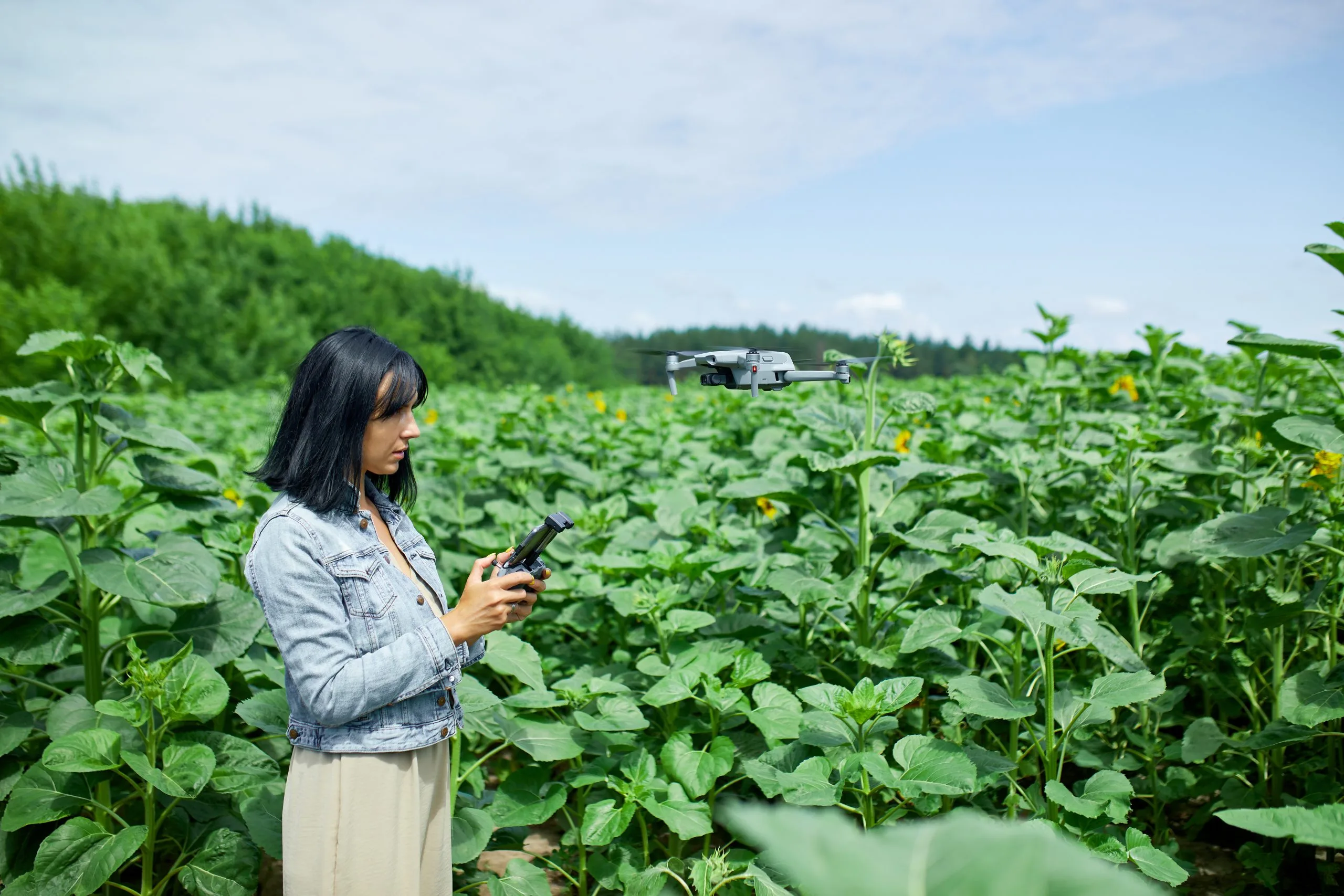
The Japan Agritech Market is experiencing a strong transformation as technology becomes essential to sustaining the country’s agricultural productivity. With the farming population shrinking by nearly 60% over the past few decades and more than 63% of farmers aged above 65, the need for automation and digital solutions has never been greater. Today, agritech solutions such as drones, IoT sensors, and AI-driven platforms are helping improve farm efficiency and crop yields by up to 20–30%. The market is steadily expanding as Japan shifts toward smarter, data-driven agriculture, blending innovation with its traditional farming practices.
Key Growth Drivers of Japan Agritech Market
Labor Shortage Accelerating Automation Adoption
One of the biggest drivers in the Japan Agritech Market is the severe shortage of agricultural labor. With an aging workforce and declining rural population, farmers are increasingly relying on automation technologies. Drones, autonomous tractors, and robotic harvesters are reducing manual work by up to 40–50%, allowing farmers to manage larger land areas with minimal human intervention. This structural challenge is pushing agritech adoption across both small and large farms, making automation a necessity rather than a choice. It also encourages younger entrepreneurs and corporations to enter the agriculture ecosystem.
Rising Demand for Precision and High Efficiency Farming
Japan’s limited arable land—around 12% of total land area—requires highly efficient farming practices. Agritech solutions enable precision farming, allowing farmers to optimize water, fertilizer, and pesticide usage. Data-driven agriculture can reduce input waste by nearly 20–30% while improving crop yields significantly. Technologies like IoT-based soil sensors and smart irrigation systems are helping farmers make real-time decisions, ensuring consistent crop quality and better resource utilization. This shift is transforming how farms operate on a day-to-day basis.
Rapid Technological Advancements and Smart Agriculture Growth
The integration of AI, robotics, and IoT is driving the rapid evolution of the agritech ecosystem. The market is projected to reach approximately USD 5.1 billion by 2035, growing at a CAGR of around 10.8%, reflecting strong long-term demand. Additionally, segments like smart agriculture are growing even faster, with adoption rates exceeding 16% CAGR in certain areas. These advancements are enabling predictive farming, automation, and improved monitoring, making agriculture more efficient and resilient.
Government Support Strengthening Japan Agritech Market
The Japanese government plays a vital role in accelerating the Japan Agritech Market through policy support and funding initiatives. The Ministry of Agriculture has launched over 200 smart agriculture demonstration projects to encourage adoption of advanced technologies. Subsidies and financial incentives for drones, IoT devices, and farm automation tools are reducing the cost burden for farmers. These initiatives aim to promote sustainable farming, improve productivity, and ensure long-term food security across the country.
Competitive Landscape of Japan Agritech Market
The Japan Agritech Market features a mix of established domestic companies and global technology providers. Key players such as Kubota, Yanmar, and Mitsubishi are focusing on developing advanced machinery and smart farming solutions. At the same time, technology firms and startups are driving innovation in AI, IoT platforms, and precision agriculture tools. Strategic collaborations and partnerships are helping companies expand their capabilities and accelerate market penetration, creating a dynamic and competitive ecosystem.
Market Challenges in Japan Agritech Market
High Investment Costs and Accessibility Issues
Despite promising benefits, the high initial cost of agritech solutions remains a challenge. Technologies such as robotics, drones, and smart farming systems require significant upfront investment, which can discourage small-scale farmers.
Skill Gap and Technology Adoption Barriers
Another key challenge is the lack of technical expertise among farmers, particularly the older population. Limited digital literacy and resistance to change can slow down adoption rates, especially in rural regions. Bridging this gap will be crucial for widespread market growth.
Future Outlook
The future of the Japan Agritech Market is strongly linked to innovation, sustainability, and digital transformation. With continued advancements in AI, robotics, and IoT, the sector is expected to grow steadily, surpassing USD 5 billion in value by 2035. As adoption increases, agritech will become more accessible and cost-effective, encouraging wider use among farmers. Emerging trends such as autonomous farming, climate-smart agriculture, and real-time data analytics will redefine agricultural practices. In the long run, Japan is set to become a global leader in high-tech agriculture, showcasing how technology can address structural challenges and create a more sustainable and productive farming ecosystem.
Consultants at Nexdigm, in their latest publication “Japan Agritech Market Report outlook to 2035,” analyze the sector By Technology Type (Agricultural Robotics, Agriculture Drones, IoT Sensors, Farm Management Software), By End User (Individual Farmers, Agricultural Corporations, JA Cooperatives, Farm Contractors, Greenhouse Operators, Livestock and Dairy Farms).
Nexdigm suggests that businesses should invest in scalable agritech solutions such as AI-driven analytics, precision farming tools, and automation technologies to improve farm efficiency, address labor shortages, and align with Japan’s fast-evolving, technology-led agricultural ecosystem.
To take the next step, simply visit our Request a Consultation page and share your requirements with us.
Harsh Mittal
+91-8422857704