
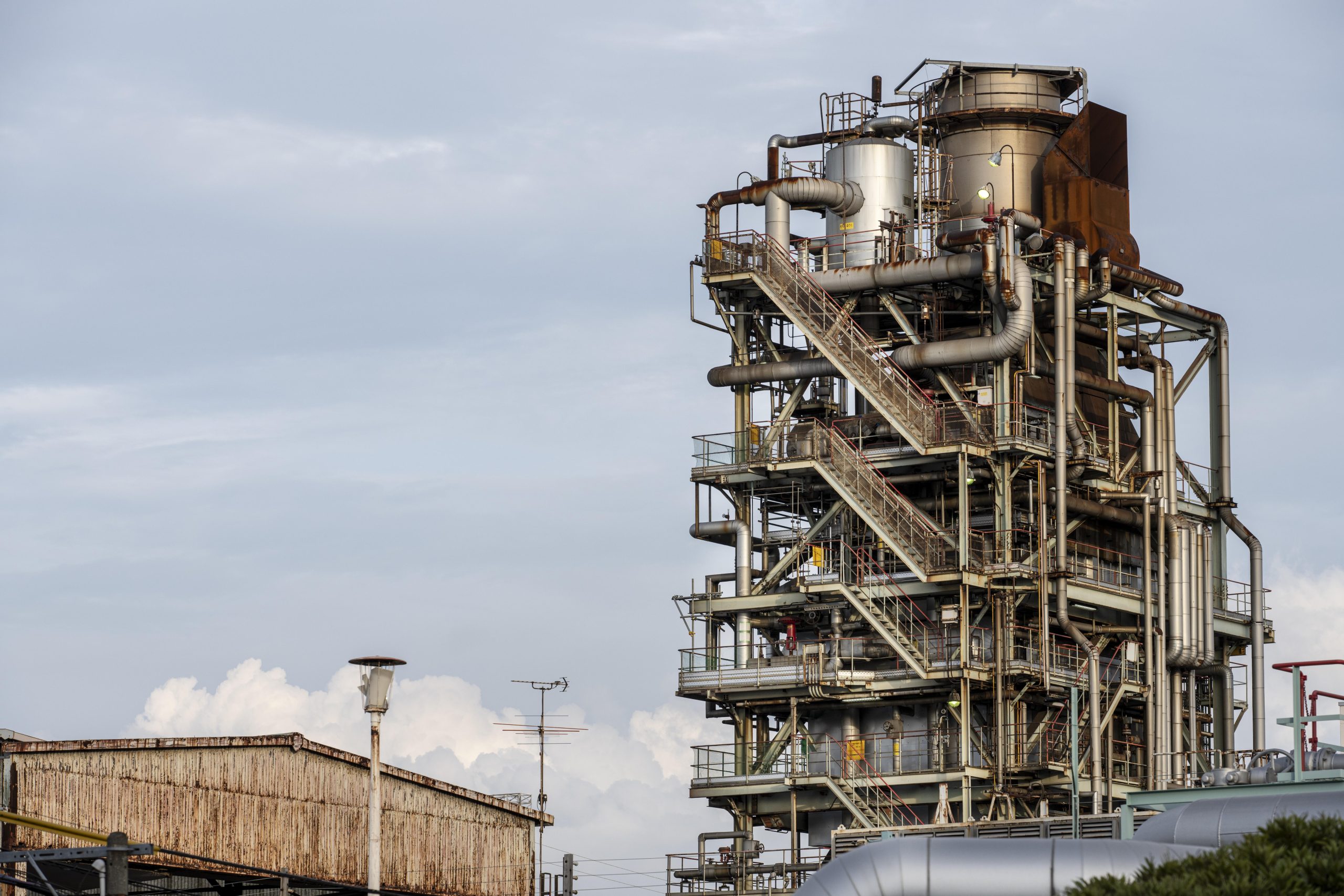
Japan’s Air Separation Unit (ASU) market plays a vital role in supporting some of the country’s most important industries, including steelmaking, electronics, chemicals, healthcare, and emerging hydrogen applications. Air separation units produce industrial gases such as oxygen, nitrogen, and argon that are essential for modern manufacturing processes. As Japan continues to focus on industrial efficiency, semiconductor production, decarbonization, and energy transition, demand for reliable gas supply infrastructure is rising. The country remains one of the world’s leading steel producers, manufacturing over 80 million tonnes of crude steel annually, while its advanced semiconductor sector continues to expand, creating strong demand for industrial gases.
Market Drivers Advancing the Japan Air Separation Unit Industry
Expanding Steel Production and Industrial Gas Consumption
The Japanese steel industry remains the largest consumer of oxygen generated by air separation units. Oxygen is widely used in blast furnaces and steel refining processes to improve productivity and energy efficiency. With Japan consistently ranking among the world’s top steel-producing nations and maintaining major integrated steel facilities, industrial gas demand remains substantial. Large steel manufacturers are increasingly modernizing production facilities to improve operational efficiency and reduce emissions. This modernization often involves upgrading industrial gas systems, creating opportunities for advanced ASU installations with better energy performance and reliability.
Semiconductor Manufacturing Creating Strong Nitrogen Demand
Japan continues to play a key role in the global semiconductor value chain, particularly in semiconductor materials, specialty chemicals, and advanced manufacturing equipment. Semiconductor fabrication facilities require ultra-high-purity nitrogen for cleanroom environments and sensitive manufacturing processes. Recent investments in chip manufacturing and technology development have strengthened the need for reliable industrial gas infrastructure. A typical semiconductor fabrication plant can consume enormous volumes of high-purity nitrogen every day, making air separation units an indispensable part of the supply chain.
Hydrogen Economy Development Driving New Opportunities
Japan has positioned itself as a global leader in hydrogen adoption. Government and industry stakeholders continue investing in hydrogen production, transportation, and utilization projects. Oxygen produced from air separation units is often integrated into hydrogen and gasification processes, creating additional growth opportunities. As hydrogen-related infrastructure expands across industrial clusters, demand for efficient and large-capacity gas production facilities is expected to increase. This trend is encouraging industrial gas companies to explore next-generation ASU technologies with improved energy efficiency and operational flexibility.
Government Initiatives Supporting the Japan Air Separation Unit Industry
Japan’s commitment to carbon neutrality and industrial competitiveness is encouraging investments in energy-efficient industrial infrastructure. Government support for hydrogen development, advanced manufacturing, semiconductor production, and industrial decarbonization indirectly benefits the ASU industry. Various public-private partnerships are promoting cleaner production technologies, while incentives for energy efficiency upgrades encourage industries to adopt modern gas production systems with lower operating costs and reduced emissions.
Competitive Landscape of Japan Air Separation Unit Industry
The Japan Air Separation Unit market is characterized by the presence of leading industrial gas companies and engineering firms. Major participants include Nippon Sanso Holdings, Air Liquide, Linde, Air Products, and Taiyo Nippon Sanso. Companies compete through technological innovation, operational efficiency, gas purity standards, and long-term supply agreements with industrial customers. Strategic collaborations with steel manufacturers, chemical producers, and semiconductor companies continue to shape competitive dynamics.
Challenges Facing Japan Air Separation Unit Industry
High Energy Consumption and Operating Costs
Air separation is an energy-intensive process requiring significant electricity consumption. Rising energy costs can affect operating margins and influence investment decisions, especially for large-scale installations.
Aging Industrial Infrastructure
Some industrial facilities in Japan operate with aging equipment that may require substantial modernization investments. Balancing replacement costs with operational efficiency improvements remains a challenge for manufacturers and industrial gas suppliers.
Future Outlook
The future of Japan’s Air Separation Unit market appears promising as industrial modernization, semiconductor investments, and hydrogen development continue to gain momentum. Demand for high-purity oxygen, nitrogen, and argon is expected to grow alongside advanced manufacturing activities. Energy-efficient ASU technologies, digital monitoring systems, and integration with low-carbon industrial projects will likely become major competitive differentiators. As Japan strengthens its position in high-tech manufacturing and clean energy initiatives, the ASU industry is expected to remain a crucial enabler of industrial growth and innovation across the country.
Consultants at Nexdigm, in their latest publication “Japan Air Separation Unit Market Outlook to 2035“ analyze the sector By End User Industry (Steel and Metallurgy, Chemical Manufacturing and Semiconductor Fabrication), By Supply Model (Merchant Liquid Supply and Cylinder Distribution Network) and By Technology Type (Cryogenic Distillation and Pressure Swing Adsorption).
Nexdigm suggests that businesses in “Japan Air Separation Unit Industry” focusses on oilfield, desalination, construction, and industrial applications, strengthen local warehousing, develop application-specific grades, improve technical support, and build resilient sourcing networks to serve expanding energy, water, and manufacturing demand.
To take the next step, simply visit our Request a Consultation page and share your requirements with us.
Harsh Mittal
+91-8422857704