
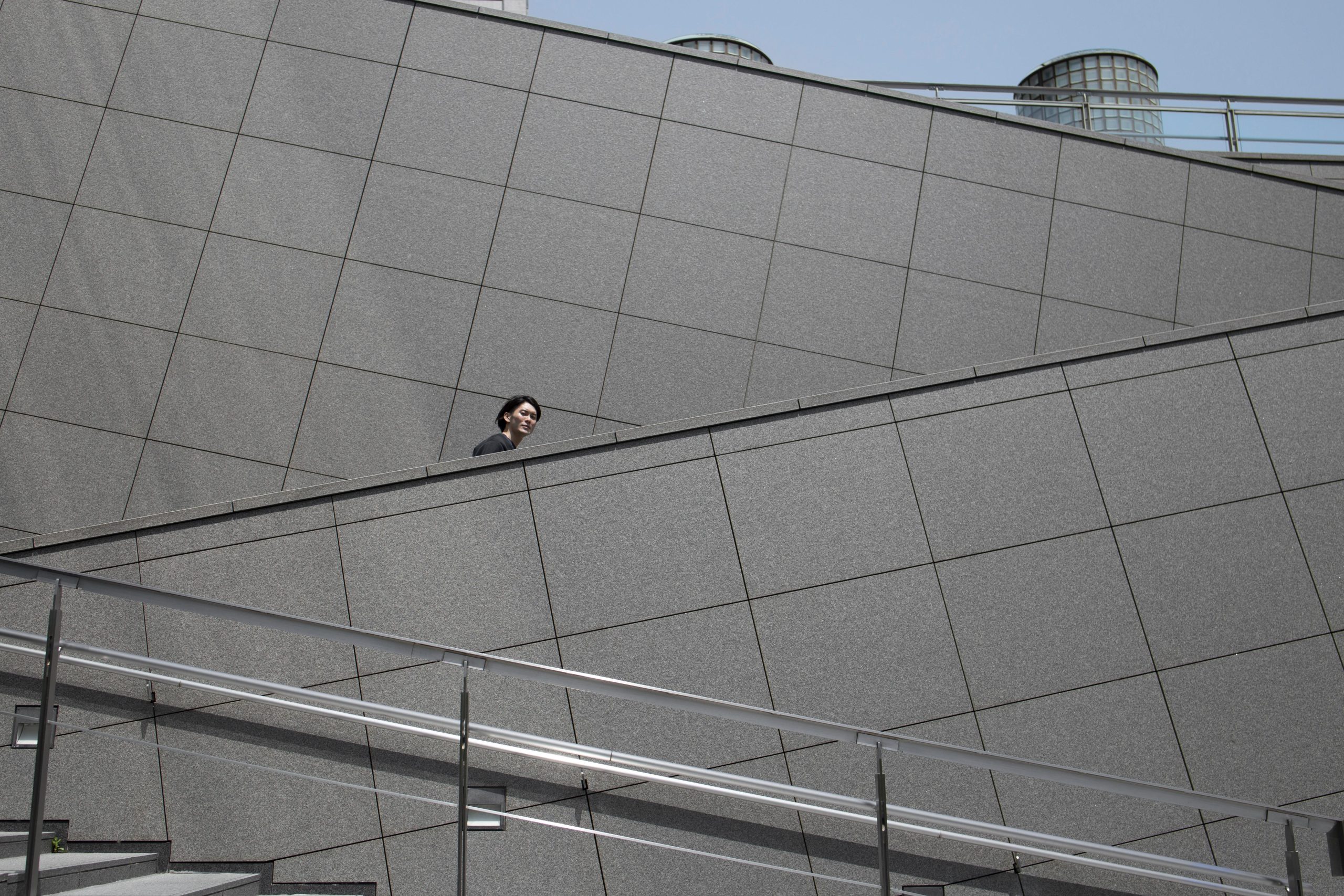
The Japan aluminum composite panels (ACP) market is experiencing steady growth, supported by urban redevelopment projects, stringent building safety regulations, and increasing demand for lightweight construction materials. The market is valued at approximately USD 1.42 billion and is projected to grow at a CAGR of 5.4% through the forecast period. ACPs are widely used in commercial buildings, transportation infrastructure, and modern architectural projects due to their durability, corrosion resistance, and design flexibility. Growing emphasis on energy-efficient and fire-retardant building materials is further accelerating adoption across Japan’s construction sector.
Market Drivers Advancing the Japan Aluminum Composite Panels Growth
Urban Redevelopment and Infrastructure Modernization
Major metropolitan regions such as Osaka, Tokyo, and Yokohama are witnessing extensive redevelopment of aging commercial and residential infrastructure. Developers increasingly prefer aluminum composite panels because they reduce structural load while providing enhanced aesthetic appeal. The lightweight nature of ACPs can lower installation costs by up to 20% compared to conventional cladding materials, making them attractive for large-scale projects.
Rising Demand for Fire-Safe Building Materials
Japan maintains some of the world’s most rigorous construction safety standards. Compliance with regulations under the Building Standards Act has encouraged the adoption of fire-retardant ACP variants. As building owners prioritize occupant safety and regulatory compliance, certified fire-resistant panels are becoming a preferred choice across high-rise developments, public infrastructure, and commercial facilities.
Sustainability and Energy-Efficient Construction
Sustainability goals are reshaping construction material preferences throughout Japan. Aluminum composite panels support green building initiatives through recyclability, durability, and energy-efficient building envelope performance. Industry participants are investing in advanced manufacturing technologies, including photovoltaic-integrated ACPs, to align with the country’s transition toward zero-energy buildings. Increased emphasis on circular economy practices has also driven recycling initiatives for aluminum scrap, strengthening sustainable ACP production.
Government Initiatives Supporting Japan Aluminum Composite Panels Industry
The Japanese government continues to promote energy-efficient buildings and sustainable construction practices through various green building initiatives. Organizations such as the Japan Green Building Council encourage environmentally responsible construction and material recycling. Additionally, government-backed urban renewal programs, seismic resilience upgrades, and net-zero building objectives are creating favorable conditions for ACP adoption. These policies support innovation in fire-resistant, recyclable, and energy-efficient composite panel solutions.
Competitive Landscape of Japan Aluminum Composite Panels Sector
The market features a combination of domestic manufacturers and international suppliers competing through product innovation and sustainability initiatives. Leading participants include Mitsubishi Chemical Group, Yaret Industrial Group, Aludecor, Alstrong, and several regional façade solution providers. Companies are focusing on fire-retardant product development, recycled aluminum usage, and advanced coating technologies to meet evolving customer and regulatory requirements. Strategic partnerships with construction firms and contractors remain a key competitive strategy.
Challenges Impacting Japan Aluminum Composite Panels Industry
Volatility in Raw Material Prices
Fluctuations in aluminum prices and energy costs can impact manufacturing expenses and profit margins. Since aluminum represents a significant portion of ACP production costs, market players remain vulnerable to global commodity price movements.
Strict Regulatory Compliance Requirements
While regulations create demand for high-quality products, compliance with fire safety, environmental, and structural standards can increase certification costs and product development timelines. Smaller manufacturers may face challenges in meeting these evolving requirements.
Future Outlook
The future of the Japan’s aluminum composite panels market remains positive as urban modernization, sustainability goals, and energy-efficient construction continue to gather momentum. Advanced solutions such as solar-integrated ACPs, recyclable panel systems, and high-performance fire-resistant composites are expected to gain market share. Growing investments in smart buildings, commercial infrastructure, and green construction projects will further strengthen demand. With a projected CAGR of 5.4%, the market is likely to witness sustained innovation and increasing adoption across both new construction and renovation activities.
Consultants at Nexdigm, in their latest publication “Japan Aluminum Composite Panels Market Outlook to 2035 ,” analyze the sector By (Ministry of Land Infrastructure Definition, Top-down Market Value Assessment, Bottom-up Construction Project Summation, General Contractor Interview Framework, Architecture Firm Primary Research, Historical JISA Standard Calibration,).
Nexdigm suggests that businesses in the Japan Aluminum Composite Panels Industry focus on developing fire-retardant, recyclable, and energy-efficient panel solutions. Aligning products with green building standards, urban redevelopment projects, and sustainable construction initiatives can help companies capitalize on growing demand and strengthen long-term market competitiveness.
To take the next step, simply visit our Request a Consultation page and share your requirements with us.
Harsh Mittal
+91-8422857704