
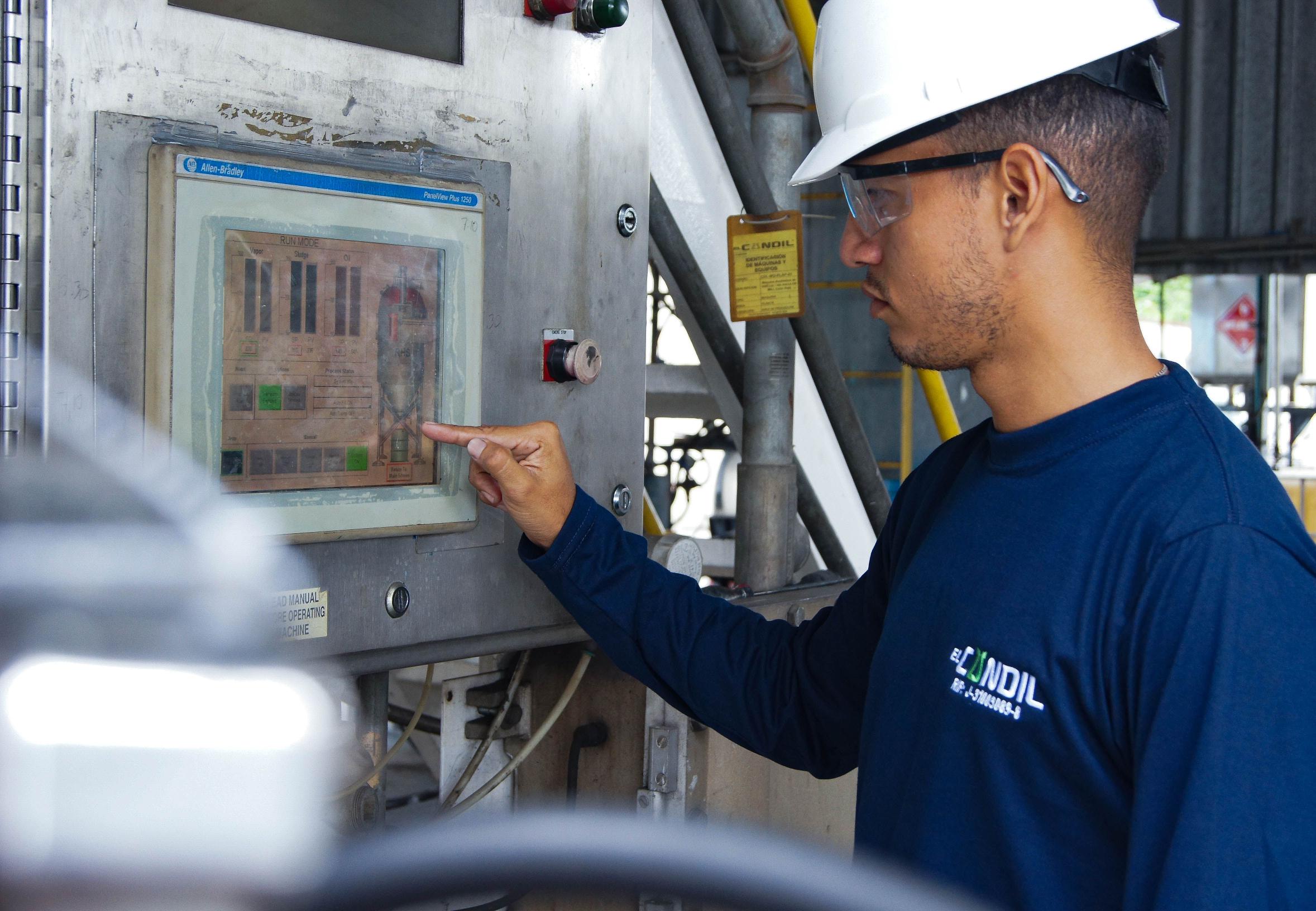
Japan ambient and industrial air quality monitoring systems industry is experiencing strong growth as manufacturers and infrastructure operators prioritize environmental compliance, operational efficiency, and sustainability. The sector was valued at approximately USD 1.42 billion, supported by increasing deployment of advanced monitoring technologies across industrial facilities and urban areas. Growing awareness of air pollution risks, coupled with stricter emission-control regulations, has accelerated investments in real-time monitoring solutions. The integration of artificial intelligence (AI), Internet of Things (IoT) sensors, and predictive analytics is further transforming air quality management across Japan’s manufacturing and construction ecosystem.
Market Drivers Advancing Air Quality Monitoring Systems Sector
Rising Adoption of AI-Integrated Monitoring Technologies
Industrial facilities across Japan are increasingly adopting AI-enabled and IoT-connected air quality monitoring systems to improve operational visibility and environmental performance. These advanced solutions provide real-time particulate matter analysis, automated alerts, and predictive maintenance capabilities. Such technologies help manufacturers identify emission sources quickly, reduce downtime, and optimize production processes. The shift toward digital environmental monitoring is becoming a key growth catalyst for the industry.
Expanding Industrial and Manufacturing Activities
Major industrial regions such as Kitakyushu and the Keihin Industrial Region continue to generate substantial demand for precision air quality monitoring infrastructure. The concentration of chemical, automotive, and heavy manufacturing facilities requires continuous emissions monitoring to ensure workplace safety and regulatory compliance. As industrial output expands and facilities modernize operations, investments in sophisticated monitoring networks are increasing steadily.
Growing Focus on ESG and Sustainability Targets
Environmental, Social, and Governance (ESG) commitments are gaining importance among Japanese corporations. Many organizations are deploying decentralized monitoring systems to track emissions, reduce energy consumption, and enhance sustainability reporting. With Japan targeting carbon neutrality by 2050, companies are increasingly leveraging air quality monitoring technologies to support environmental objectives and strengthen stakeholder confidence.
Government Initiatives Supporting Air Quality Monitoring Systems Growth
The Japanese government continues to strengthen environmental regulations through the enforcement of the Air Pollution Control Act and related emission standards. Regulatory oversight by the Ministry of the Environment encourages industrial facilities to implement continuous monitoring systems for regulatory compliance. Government support for carbon reduction strategies and the nation’s 2050 carbon-neutral objective is also driving investments in advanced monitoring technologies, smart environmental infrastructure, and emission-management solutions across industrial sectors.
Competitive Landscape of Air Quality Monitoring Systems Industry
The industry features a mix of established domestic technology providers and specialized environmental monitoring companies. Leading participants are focusing on AI integration, predictive maintenance, cloud-based analytics, and sensor innovation to enhance product capabilities. Companies such as Horiba have expanded their monitoring portfolios to address rising demand from industrial and municipal applications. Strategic collaborations, technology upgrades, and research investments remain key competitive strategies within the sector.
Challenges Impacting Air Quality Monitoring Systems Industry
High Deployment and Maintenance Costs
Advanced monitoring systems often require significant upfront investment in sensors, software platforms, calibration services, and network infrastructure. Small and mid-sized industrial operators may face budget constraints when implementing comprehensive monitoring solutions, limiting adoption rates in certain segments.
Complex Data Management Requirements
The growing volume of environmental data generated by connected monitoring systems presents challenges related to storage, analysis, cybersecurity, and regulatory reporting. Organizations must invest in skilled personnel and digital infrastructure to effectively utilize monitoring insights and maintain data accuracy.
Future Outlook
The future of Japan’s air quality monitoring systems industry appears highly promising, supported by ongoing digital transformation and sustainability initiatives. Continued advancements in AI, IoT, and cloud-based analytics are expected to improve monitoring accuracy and operational efficiency. Industrial operators will increasingly adopt intelligent monitoring networks to meet environmental targets, optimize energy usage, and enhance ESG performance. As regulatory requirements become more stringent and smart manufacturing practices expand, the sector is likely to witness sustained growth and technological innovation throughout the coming decade.
Consultants at Nexdigm, in their latest publication “Japan Ambient and Industrial Air Quality Monitoring Systems Market Outlook to 2035,” analyze the sector By (Define JIS Air Quality Scope, Top-Down Industrial Expenditure Analysis, Bottom-Up Sensor Deployment Mapping, Review Ministry of Environment Data, Primary Executive Interview Strategy).
Nexdigm suggests that businesses in the Japan Ambient and Industrial Air Quality Monitoring Systems Industry focus on adopting advanced monitoring technologies, enhancing emissions management capabilities, and aligning with evolving environmental regulations. Strengthening data-driven environmental compliance and sustainability initiatives can help organizations improve operational performance and maintain a competitive advantage.
To take the next step, simply visit our Request a Consultation page and share your requirements with us.
Harsh Mittal
+91-8422857704