
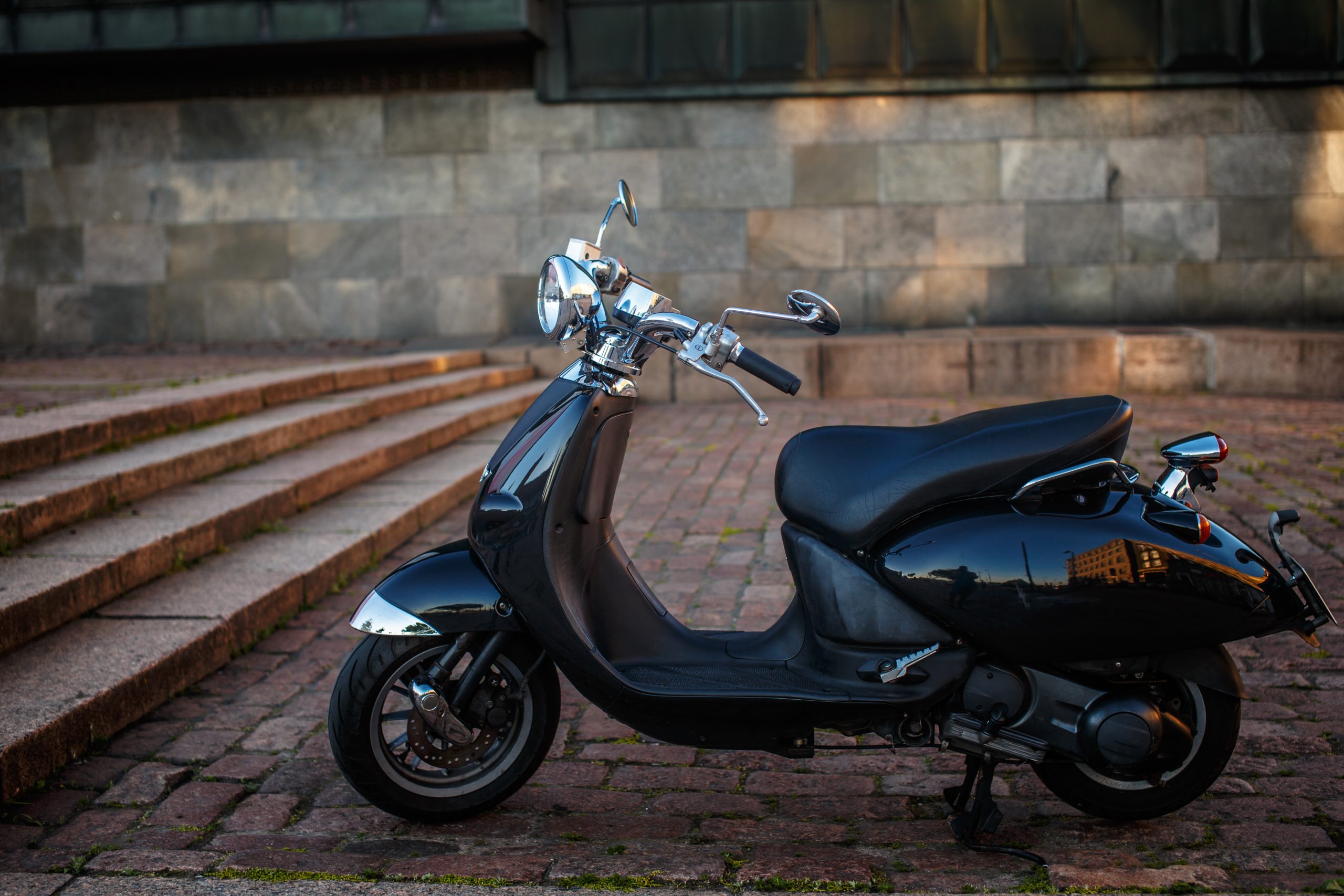
The Japan Electric Two Wheeler Battery Market is poised for significant transformation through 2035, supported by increasing vehicle electrification, growing environmental awareness, and advancements in battery technology. The rising adoption of electric scooters, motorcycles, and other personal mobility solutions is creating new opportunities for battery manufacturers and technology providers. According to the International Energy Agency (IEA), electric two- and three-wheelers accounted for approximately 7% of Japan’s sales in 2024. Growing demand for lithium-ion batteries, battery-swapping solutions, and efficient charging infrastructure is expected to shape the market’s long-term development.
Key Market Drivers Affecting Japan Electric Two Wheeler Battery Industry
Rising Adoption of Electric Two-Wheelers
The growing adoption of electric scooters and motorcycles is a major driver of battery demand in Japan. Increasing environmental concerns, urban air-quality requirements, and the need to reduce dependence on fossil fuels are encouraging consumers and businesses to consider electric mobility. Electric two-wheelers are particularly suitable for short-distance commuting, urban transportation, and last-mile delivery operations. The IEA projects that electric two- and three-wheelers could account for more than 45% of sales in Japan by 2030 under its Stated Policies Scenario, indicating substantial opportunities for battery suppliers.
Technological Advancements in Battery Systems
Continuous improvements in lithium-ion battery technology are supporting market expansion. Higher energy density, faster charging capabilities, longer battery life, and reduced maintenance requirements are improving the performance of electric two-wheelers. Manufacturers are increasingly focusing on compact battery packs, advanced battery management systems (BMS), and improved thermal management technologies. Additionally, the development of swappable battery systems is addressing range anxiety and charging-time concerns, particularly among commercial fleet operators and delivery businesses.
Expansion of Battery-Swapping and Urban Mobility Solutions
Battery-swapping infrastructure is emerging as an important growth opportunity in Japan. Standardized removable batteries enable users to exchange depleted batteries for fully charged units, reducing vehicle downtime. Initiatives such as the Gachaco battery-swapping network, established through collaboration between major Japanese motorcycle manufacturers and energy companies, are supporting this transition. The expansion of shared mobility, delivery services, and electric vehicle fleets is expected to increase demand for reliable, durable, and interchangeable battery systems.
Government Support Towards Japan Electric Two Wheeler Battery Industry
The Japanese government is promoting vehicle electrification and domestic battery manufacturing through financial incentives, industrial policies, and infrastructure investments. The Ministry of Economy, Trade and Industry (METI) revised its Battery Industry Strategy in June 2026, targeting domestic battery manufacturing capacity of 150 GWh annually by 2030 to the mid-2030s. Additionally, Tokyo has introduced support for eligible electric two- and three-wheelers, alongside its ambition to make all new two-wheeler sales electric by 2035. These initiatives are expected to strengthen the battery ecosystem and accelerate electric mobility adoption.
Competitive Landscape Of Japan Electric Two Wheeler Battery Industry
The Japan Electric Two Wheeler Battery Market features established battery manufacturers, motorcycle OEMs, and emerging battery-swapping technology providers. Key industry participants include Panasonic, GS Yuasa, Murata Manufacturing, Toshiba, and other battery technology companies. Honda, Yamaha, and Suzuki are also contributing through electric vehicle development and battery standardization initiatives. Competition is increasingly focused on battery performance, energy density, safety, charging speed, lifecycle costs, and compatibility with swapping infrastructure. Strategic partnerships between battery manufacturers, vehicle producers, and energy companies are expected to influence market positioning through 2035.
Market Challenges Faced Within Japan Electric Two Wheeler Battery Industry
High Initial Battery and Vehicle Costs
The relatively high upfront cost of electric two-wheelers and advanced lithium-ion battery packs remains a significant barrier to mass-market adoption. Price-sensitive consumers may continue to prefer conventional petrol-powered motorcycles, particularly where charging infrastructure and financial incentives are limited.
Infrastructure and Battery Standardization
Limited charging and battery-swapping infrastructure, together with compatibility issues across different battery systems, can restrict market penetration. Establishing standardized battery formats, recycling networks, and efficient battery collection systems will be essential for achieving economies of scale and supporting long-term market development.
Future Outlook
The Japan Electric Two Wheeler Battery Market is expected to experience gradual but sustained growth through 2035 as electric mobility becomes increasingly integrated into urban transportation and commercial delivery operations. Lithium-ion batteries are likely to remain central to market development, supported by improvements in energy density, charging efficiency, and battery lifespan. Battery swapping, smart battery management systems, and recycling technologies will create additional opportunities for industry participants. Furthermore, Japan’s investment in domestic battery manufacturing and next-generation technologies, including all-solid-state batteries, is expected to strengthen its technological capabilities. Overall, innovation, government support, and strategic industry partnerships will shape the market’s long-term growth trajectory.
Consultants at Nexdigm, in their latest publication “Japan Electric Two Wheeler Battery Market Outlook to 2035,” analyze the sector by By Battery Chemistry Type (Lithium Nickel Manganese Cobalt, Lithium Iron Phosphate, Lithium Titanate), By Vehicle Application (Electric Motor-scooters, Electric Motorcycles, Electric Delivery Tricycles) and By Regional Markets (Kanto Region, Kansai Region, Chubu Region).
Nexdigm suggests that businesses in the Japan electric two-wheeler battery market should prioritize advanced lithium-ion technologies, invest in battery-swapping infrastructure, strengthen partnerships with motorcycle manufacturers, and explore domestic manufacturing opportunities to capitalize on rising electrification, evolving government policies, and growing demand for sustainable urban mobility solutions.
To take the next step, simply visit our Request a Consultation page and share your requirements with us.
Harsh Mittal
+91-8422857704
[email protected]