
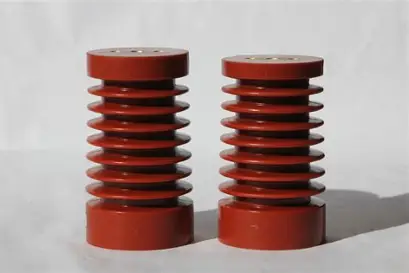
Japan’s Electrical Insulators Market is witnessing steady growth, supported by the country’s extensive electricity infrastructure and accelerating renewable energy deployment. Japan operates more than 300 GW of installed power-generation capacity, including over 95 GW of solar power capacity, making it one of the world’s largest renewable energy markets. Additionally, government-backed investments exceeding USD 100 billion in grid modernization, offshore wind transmission, and energy-security infrastructure are increasing demand for advanced electrical equipment. Rising deployment of smart grids, battery energy storage systems, electric vehicle charging networks, and offshore wind projects targeting 30–45 GW of capacity are driving demand for high-performance ceramic, glass, and composite insulators across transmission lines, substations, and renewable-energy installations.
Key Market Drivers for Japan’s Electrical Insulators Market
Grid Modernization and Transmission Infrastructure Upgrades Accelerate Demand
Japan continues to invest in transmission and distribution infrastructure to improve grid resilience and accommodate increasing renewable energy integration. The country operates a highly developed electricity network with thousands of substations and extensive high-voltage transmission assets. Rising investments in grid digitization, disaster-resilient power infrastructure, and substation modernization are increasing demand for high-performance insulators capable of supporting long-term operational reliability.
Renewable Energy Expansion Creates Significant Growth Opportunities
Japan has installed more than 95 GW of solar power capacity, making it one of the world’s largest solar energy markets. In addition, offshore wind development is accelerating, with government targets supporting the deployment of 30–45 GW of offshore wind capacity by 2040. The growing integration of solar, offshore wind, battery storage, and renewable transmission infrastructure is creating substantial demand for advanced composite and polymer insulators across utility-scale power projects.
Industrial Electrification and EV Infrastructure Support Market Growth
Japan’s manufacturing sector contributes approximately 20% of GDP, supported by automotive, electronics, machinery, and semiconductor industries. Increasing electrification of manufacturing facilities, expansion of electric vehicle charging networks, railway infrastructure upgrades, and data center development are driving investments in substations, transformers, switchgear systems, and associated insulation technologies.
Government Initiatives Supporting Japan’s Electrical Insulators Market
The Japanese government is actively supporting power infrastructure development through its Green Transformation (GX) Strategy, energy security programs, and commitment to achieving carbon neutrality by 2050. Investments exceeding USD 100 billion are expected across grid modernization, renewable energy integration, offshore wind transmission, smart-grid deployment, and energy-storage infrastructure over the coming decade. Government-backed initiatives supporting transmission network upgrades, renewable energy deployment, and electricity system resilience are creating favorable conditions for growth in the electrical insulators market.
Competitive Landscape of Japan’s Electrical Insulators Market
Japan’s Electrical Insulators Market is highly competitive and supported by strong demand from utilities, renewable-energy developers, industrial manufacturers, and infrastructure operators. Competition is increasingly focused on product durability, high-voltage performance, contamination resistance, seismic resilience, and lifecycle efficiency. Major companies including Hitachi Energy, Mitsubishi Electric, Toshiba Energy Systems & Solutions, Fuji Electric, Siemens Energy, and ABB continue to expand their offerings for grid modernization and renewable-energy projects. Manufacturers are increasingly investing in advanced composite insulators, lightweight polymer technologies, and smart-grid-compatible solutions designed for Japan’s evolving electricity infrastructure.
Major Challenges Facing Japan’s Electrical Insulators Market
Aging Power Infrastructure and Modernization Requirements
A significant portion of Japan’s transmission and distribution infrastructure requires modernization to accommodate renewable energy integration, electrification, and improved grid resilience. Utilities must balance infrastructure investment requirements with operational efficiency goals.
Natural Disaster and Environmental Resilience Challenges
Japan’s exposure to earthquakes, typhoons, heavy rainfall, and coastal contamination requires highly durable insulation solutions capable of maintaining performance under extreme environmental conditions. Utilities increasingly prioritize disaster-resistant infrastructure and advanced insulation technologies.
Future Outlook
Japan’s Electrical Insulators Market is expected to witness strong growth through 2035, supported by installed power-generation capacity exceeding 300 GW, solar power capacity surpassing 95 GW, and government-backed grid modernization investments exceeding USD 100 billion. The country’s offshore wind program, targeting 30–45 GW of capacity by 2040, will significantly increase demand for high-voltage transmission infrastructure and advanced insulation technologies. Additionally, expanding battery energy storage deployments, smart-grid projects, electric vehicle charging networks, and data center investments will strengthen electricity infrastructure requirements. As Japan advances toward its carbon neutrality target by 2050, utilities and power equipment suppliers are expected to accelerate investments in composite, polymer, and smart-grid-compatible insulators that improve transmission reliability, support renewable-energy integration, and enhance grid resilience against earthquakes, typhoons, and other extreme weather events.
Consultants at Nexdigm, in their latest publication “Japan Electrical Insulators Market Outlook to 2035” analyse the sector By Insulator Type (Pin Type, Suspension Type and Station Post Type), By Application Sector (Utility Power Transmission and Industrial Substations) and By Mounting Configuration (Suspension Assembly, Horizontal Post Mount and Vertical Stud Mount).
Nexdigm suggests that businesses in Japan’s Electrical Insulators Industry prioritize advanced composite insulators, offshore-wind-compatible insulation systems, smart-grid-ready technologies, and high-voltage transmission products to capitalize on the country’s 300 GW+ power capacity, 95 GW+ solar installations, offshore wind expansion plans, and increasing investments in grid modernization and energy-transition infrastructure.
To take the next step, simply visit our Request a Consultation page and share your requirements with us.
Harsh Mittal
+91-8422857704