
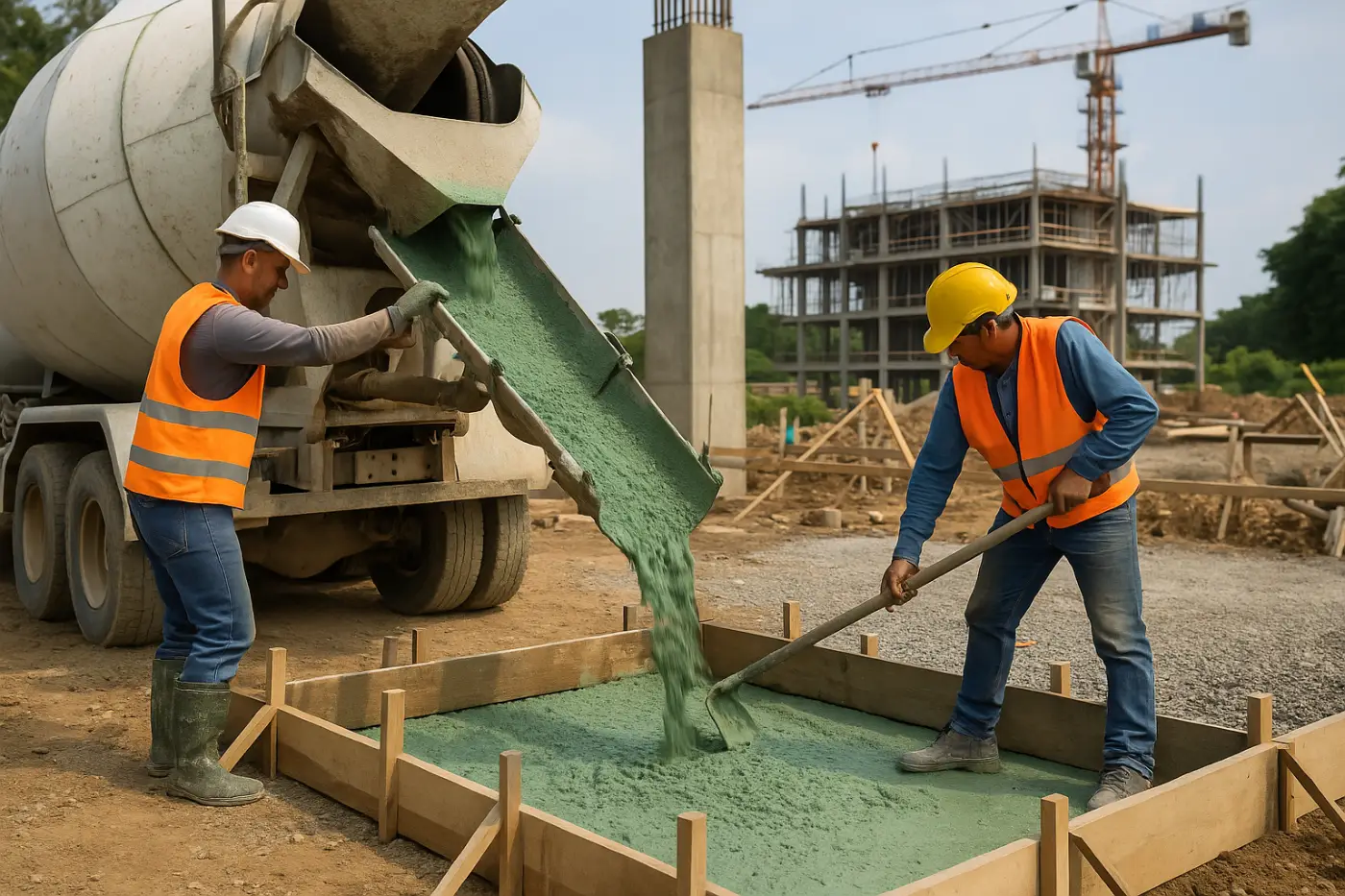
Japan’s green cement market is witnessing steady growth as the country accelerates efforts to decarbonize one of the world’s most advanced construction sectors. The construction industry generates more than USD 500 billion annually, supported by extensive investments in residential renovation, transportation infrastructure, disaster-resilient facilities, and commercial developments. Japan’s urbanization rate exceeds 91%, while the country maintains a building stock of over 62 million housing units, creating substantial demand for sustainable construction materials. Additionally, buildings account for approximately one-third of national energy consumption, increasing pressure to adopt low-carbon solutions across the construction value chain. As Japan advances its carbon-neutrality objectives, promotes green building standards, and invests in infrastructure modernization, green cement is becoming an increasingly important material for reducing embodied carbon emissions while maintaining high levels of structural performance, durability, and resilience.
Key Market Drivers for Japan’s Green Cement Industry
Building Renovation and Seismic Upgrading Projects Drive Sustainable Material Demand
Japan possesses one of the world’s most mature building stocks, with millions of residential and commercial structures requiring periodic renovation, maintenance, and seismic upgrades. The country has over 62 million housing units, creating continuous demand for construction materials. As property owners and developers increasingly focus on energy efficiency, sustainability, and resilience, green cement is gaining adoption in renovation and retrofitting projects. The growing emphasis on extending building lifecycles while reducing environmental impact is expected to accelerate demand for low-carbon cement solutions.
Infrastructure Renewal and Public Investment Support Market Expansion
Japan continues to invest heavily in transportation infrastructure, rail systems, bridges, tunnels, ports, and disaster-resilient public facilities. The country’s infrastructure modernization programs involve investments worth tens of billions of dollars annually, supporting large-scale construction activity. Many of these projects incorporate environmental and sustainability requirements, encouraging the use of green cement to reduce lifecycle emissions. The increasing replacement and rehabilitation of aging infrastructure assets will further strengthen demand for environmentally responsible building materials.
Carbon Neutrality Targets Encourage Low-Emission Construction Practices
Japan has committed to achieving carbon neutrality by 2050, creating significant pressure on carbon-intensive industries to reduce emissions. The cement sector is increasingly adopting supplementary cementitious materials, alternative fuels, clinker-reduction technologies, and carbon capture solutions to align with national sustainability objectives. Growing corporate ESG commitments and investors focus on sustainable development are also supporting wider adoption of green cement across residential, commercial, industrial, and infrastructure projects.
Government Support and Sustainability Initiatives Backed by Carbon Neutrality Commitments, Green Growth Investments, and Energy-Efficient Building Programs
Japan’s green cement market is benefiting from strong government support aimed at achieving carbon neutrality by 2050 and reducing emissions from hard-to-abate sectors such as construction and cement manufacturing. The country has allocated more than JPY 150 trillion (approximately USD 1 trillion) in combined public and private green transformation (GX) investments over the coming decade to accelerate industrial decarbonization. Additionally, buildings account for nearly 30% of Japan’s total energy consumption, driving stricter energy-efficiency regulations and sustainable building initiatives. Government-backed incentives for green buildings, low-carbon infrastructure, renewable energy projects, and circular economy practices are creating favorable conditions for increased adoption of green cement across residential, commercial, and public-sector developments.
Competitive Landscape Driven by a USD 500 Billion+ Construction Industry and Growing Demand for Carbon-Reduced Building Materials
Japan’s green cement market operates within a construction industry valued at more than USD 500 billion annually, supported by an urbanization rate exceeding 91% and a housing stock of over 62 million units. Market participants are increasingly investing in carbon capture technologies, alternative raw materials, clinker-substitution methods, and waste-recycling initiatives to align with the country’s decarbonization goals. Competition is primarily based on carbon-reduction performance, environmental certifications, product quality, technological innovation, and manufacturing efficiency. As demand grows for net-zero buildings, resilient infrastructure, and sustainable urban redevelopment projects, suppliers offering advanced low-carbon cement solutions are expected to strengthen their competitiveness and capture emerging growth opportunities.
Major Challenges Facing Japan’s Green Cement Industry
High Production Costs and Decarbonization Investments
The transition toward green cement production requires substantial investment in carbon-reduction technologies, energy-efficient manufacturing systems, and alternative material sourcing. These investments can increase production costs, creating challenges in maintaining competitiveness against conventional cement products.
Aging Industrial Infrastructure and Raw Material Constraints
Modernizing existing cement production facilities and securing sufficient supplies of supplementary cementitious materials remain important challenges. As environmental standards become more stringent, manufacturers must continue investing in technology upgrades to improve efficiency and meet sustainability targets.
Future Outlook
Japan’s green cement market is expected to witness steady growth through 2035, supported by a construction sector worth more than USD 500 billion, urbanization above 91%, and ongoing investments in infrastructure renewal and building modernization. The country’s commitment to achieving carbon neutrality by 2050, combined with rising adoption of ESG frameworks and green building standards, is expected to accelerate demand for low-carbon construction materials. Furthermore, advancements in carbon capture technologies, recycled material utilization, and clinker-substitution methods will strengthen market expansion. Green cement is expected to play a vital role in supporting Japan’s transition toward a sustainable, resilient, and carbon-efficient built environment.
Consultants at Nexdigm, in their latest publication “ Japan Green Cement Market Outlook to 2035,” analyse the sector By Product Chemistry Type (Fly Ash Type I, Fly Ash Type II and Silica Fume), By Production Location (Kanto Manufacturing Hubs and Kansai Industrial Cluster) and By Distribution Mechanism (Direct-to-Contractor Supply, Ready-Mix Plant Distribution and Precast Manufacturer Procurement).
Nexdigm suggests that businesses in Japan’s Green Cement Industry focus on advancing carbon-reduction technologies, expanding the use of recycled and supplementary cementitious materials, and strengthening partnerships with infrastructure developers and green building stakeholders to capitalize on the growing demand for sustainable construction, resilient urban development, and low-carbon infrastructure projects.
Tio take the next step, simply visit our Request a Consultation page and share your requirements with us.
Harsh Mittal
+91-8422857704