
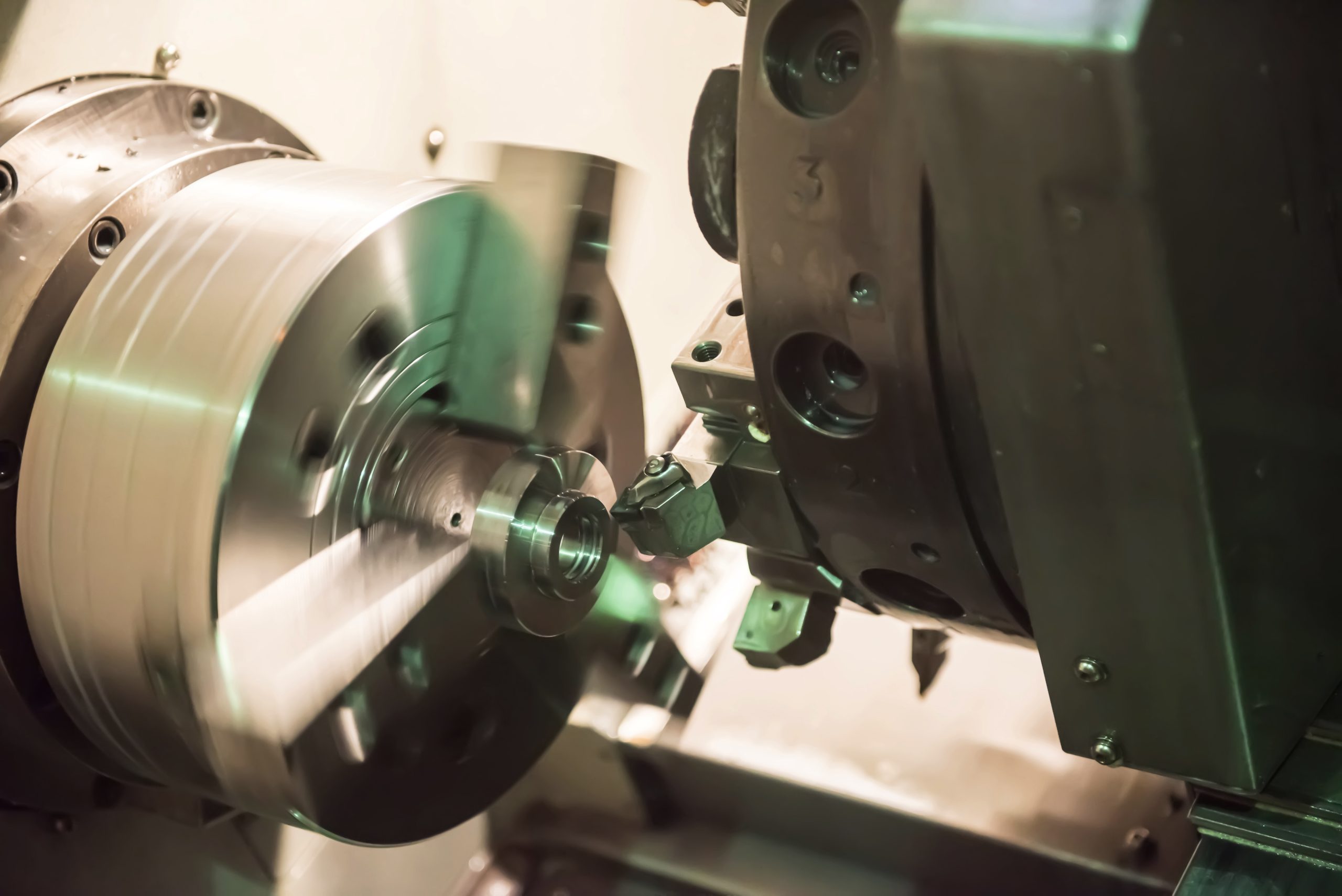
Japan’s industrial electric motors market is expected to experience steady growth through 2035, driven by industrial automation, energy-efficiency initiatives, and manufacturing modernization. Electric motors play an essential role across automotive, electronics, robotics, and heavy industries. The increasing adoption of smart factories and advanced production technologies is encouraging manufacturers to invest in high-performance motor systems. Additionally, Japan’s commitment to achieving carbon neutrality by 2050 is accelerating the shift towards energy-efficient motors, creating new opportunities for market participants.
Key Market Drivers Accelerating Industrial Electric Motors Adoption in Japan
Growing Industrial Automation and Smart Manufacturing
Japan has a well-established manufacturing sector, particularly in automotive production, electronics, and robotics. The growing adoption of industrial robots, automated assembly lines, and smart manufacturing systems is creating demand for reliable electric motors. Servo motors are increasingly used in applications requiring precise speed, torque, and positioning control. As manufacturers embrace Industry 4.0 technologies, demand for compact, connected, and high-performance motor solutions is expected to increase. Japan had approximately 450,500 industrial robots in operation in 2024, highlighting the country’s strong automation ecosystem.
Increasing Emphasis on Energy Efficiency and Carbon Reduction
Rising energy costs and environmental commitments are encouraging Japanese industries to upgrade conventional motor systems. High-efficiency motors, variable frequency drives (VFDs), and permanent magnet technologies help reduce electricity consumption and operating expenses. Japan’s target of achieving net-zero greenhouse gas emissions by 2050 further supports investments in efficient industrial equipment. Manufacturers are increasingly prioritizing solutions that offer improved performance, lower maintenance requirements, and long-term energy savings.
Expansion of Electric Vehicles and Advanced Manufacturing
Japan’s automotive industry is undergoing a transition towards electric and hybrid vehicles, strengthening the country’s broader motor manufacturing ecosystem. Meanwhile, semiconductor and battery manufacturing facilities require advanced motors for material handling, production machinery, and automated processes. These developments are creating additional opportunities for industrial motor manufacturers, particularly those offering precision-engineered and technologically advanced solutions.
Government Support and Industrial Energy Policies Strengthening Market Development
The Japanese government is promoting industrial decarbonization through initiatives such as the Green Transformation (GX) Policy and the Energy Conservation Act. Its commitment to carbon neutrality by 2050 encourages businesses to adopt energy-efficient equipment and modernize industrial operations. Government support for digital transformation and advanced manufacturing is also creating favorable conditions for motor technology providers, supporting investments in efficient motors and intelligent drive systems.
Competitive Landscape of Japan’s Industrial Electric Motors Industry
The market features established domestic manufacturers with strong engineering capabilities and extensive industrial networks. Major companies include Mitsubishi Electric, Nidec Corporation, Yaskawa Electric, Toshiba, and Fuji Electric. Competition is primarily driven by energy efficiency, product reliability, automation compatibility, and technological innovation. Manufacturers are strengthening their portfolios through investments in research and development, particularly in servo motors, high-efficiency motors, and integrated drive solutions.
Market Challenges Influencing Japan’s Industrial Electric Motors Market
High Initial Investment Requirements
Advanced motors, servo systems, and variable frequency drives often involve substantial upfront investment. Small and medium-sized manufacturers may delay equipment replacement due to installation expenses, production downtime, and integration costs. Demonstrating long-term energy savings remains essential for encouraging adoption.
Raw Material Price Fluctuations
Motor manufacturing depends on copper, electrical steel, rare-earth elements, and permanent magnets. Price volatility and supply chain disruptions can increase production expenses, affecting manufacturers’ profitability and pricing strategies.
Future Outlook
Japan’s industrial electric motors market is expected to benefit from automation, electrification, and energy-efficiency investments through 2035. Demand for high-efficiency induction motors, servo motors, permanent magnet motors, and intelligent drive systems is likely to strengthen as industries modernize. Integration of industrial IoT, predictive maintenance, and smart monitoring will further improve operational performance. Despite investment and supply chain challenges, Japan’s advanced manufacturing ecosystem and decarbonization commitments provide a strong foundation for long-term market development.
Consultants at Nexdigm, in their latest publication “Japan Industrial Electric Motors Market Outlook to 2035,” analyze the sector By AC Induction Motor (Three-phase Squirrel Cage Induction, Wound Rotor Induction, Single Phase Induction Motor), By DC Brushless Motor (Sensorless BLDC Motors, Hall effect Controlled BLDC, High Speed BLDC Drives),
Nexdigm suggests that businesses should prioritize investments in energy-efficient motor technologies, strengthen partnerships with automation solution providers, and focus on developing advanced motor systems. Companies should also diversify raw material sourcing, adopt smart manufacturing practices, and align product strategies with Japan’s evolving industrial decarbonization and energy-efficiency requirements.
To take the next step, simply visit our Request a Consultation page and share your requirements with us.
Harsh Mittal
+91-8422857704