
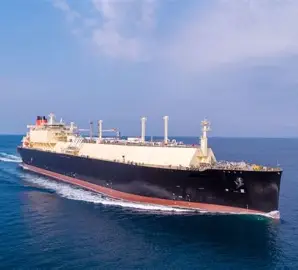
Japan’s LNG Carriers Market remains one of the most important segments of the global LNG shipping industry, supported by the country’s position as one of the world’s largest LNG importers. As a resource-constrained nation, Japan depends heavily on imported energy, with LNG playing a critical role in power generation, industrial operations, and residential gas supply. The country imports more than 66 million tonnes of LNG annually, accounting for a significant share of global LNG trade. Long-term LNG procurement contracts, energy security priorities, and fleet modernization initiatives continue to drive demand for advanced LNG carriers and transportation capacity.
Key Market Drivers for Japan’s LNG Carriers Market
Large LNG Import Requirements Sustain Shipping Demand
Japan remains among the world’s largest LNG importing nations, with annual imports exceeding 66 million tonnes. LNG accounts for approximately 30% of Japan’s electricity generation mix, making secure and reliable maritime transportation essential for national energy security. Major LNG receiving terminals across Tokyo Bay, Osaka Bay, Nagoya, and other industrial regions continue to support strong demand for LNG shipping services.
Long-Term Procurement Contracts Strengthen Fleet Expansion
Japanese utilities and energy companies maintain long-term LNG supply agreements with exporters in Australia, Qatar, Malaysia, the United States, Papua New Guinea, and Brunei. Major energy firms including JERA, Tokyo Gas, Osaka Gas, and Kansai Electric Power continue to secure transportation capacity through vessel ownership, long-term charters, and strategic LNG shipping partnerships, supporting fleet modernization and expansion.
Decarbonization and Fleet Efficiency Initiatives Drive New Vessel Orders
Japan is increasingly investing in next-generation LNG carriers equipped with dual-fuel propulsion systems, advanced containment technologies, and digital fleet-management systems. New vessel designs improve fuel efficiency, lower emissions, and support compliance with International Maritime Organization (IMO) environmental regulations, encouraging replacement of older vessels with more technologically advanced fleets.
Government Initiatives Supporting Japan’s LNG Carriers Market
The Japanese government continues to prioritize LNG as a cornerstone of national energy security through its Strategic Energy Plan and long-term fuel diversification policies. Japan imports more than 66 million tonnes of LNG annually, making it one of the world’s largest LNG importers, while LNG continues to account for approximately 30% of the country’s electricity generation. Government support for LNG receiving terminals, strategic fuel reserves, supply chain resilience, and maritime decarbonization initiatives is encouraging fleet modernization and transportation capacity expansion. In addition, Japan’s commitment to carbon neutrality by 2050 is driving investments in next-generation LNG carriers featuring dual-fuel propulsion technologies, improved fuel efficiency, and reduced emissions.
Competitive Landscape of Japan’s LNG Carriers Market
Japan’s LNG Carriers Market is highly competitive and supported by some of the world’s largest LNG shipping operators and energy companies. Major participants including Mitsui O.S.K. Lines (MOL), NYK Line, Kawasaki Kisen Kaisha (K Line), JERA, and Tokyo Gas continue to expand and modernize LNG carrier fleets to support long-term import requirements exceeding 66 million tonnes annually. Competition is increasingly focused on advanced membrane containment systems, dual-fuel propulsion technologies, boil-off gas management, digital fleet optimization, and environmental performance. As Japan maintains long-term LNG supply agreements with major exporters such as Australia, Qatar, and the United States, shipping companies are investing in next-generation LNG carriers capable of improving fuel efficiency, lowering operating costs, and meeting increasingly stringent international emissions standards.
Major Challenges Facing Japan’s LNG Carriers Market
High Vessel Construction and Maintenance Costs
Modern LNG carriers generally require investments ranging from USD 250 million to USD 300 million per vessel, creating significant capital expenditure requirements for fleet operators and shipowners.
LNG Trade Volatility and Energy Market Uncertainty
Shipping demand can be influenced by fluctuations in LNG consumption, seasonal energy demand, global freight rates, geopolitical developments, and changing trade patterns. Effective fleet management and charter optimization remain important for maintaining profitability and operational efficiency.
Future Outlook
Japan’s LNG Carriers Market is expected to remain a strategically important segment of global LNG shipping, supported by annual LNG imports exceeding 66 million tonnes, continued reliance on LNG for approximately 30% of electricity generation, and ongoing investments in fleet modernization. Growing adoption of dual-fuel propulsion systems, digital fleet-management technologies, and low-emission vessel designs is expected to improve operational efficiency across the sector. Additionally, long-term LNG supply agreements with major exporters and rising demand for energy security across Asia are expected to support stable vessel utilization and fleet renewal activities, creating sustained opportunities for LNG carrier owners, operators, and technology providers.
Consultants at Nexdigm, in their latest publication “Japan LNG Carriers Market to 2035,” analyse the sector By Vessel Containment System (MHI-designed IHI-type Tanks, Kawasaki Heavy Industries IH-type and Independent self-supporting prismatic structures), By Operational Application (JERA Base Load Supply, Tohoku Electric Peak Shaving and Kyushu Electric Power Imports).
Nexdigm suggests that businesses in Japan’s LNG Carriers Industry prioritize next-generation dual-fuel LNG vessels, digital fleet optimization technologies, strategic charter partnerships, and low-emission shipping solutions to capitalize on the country’s 66 million+ tonnes of annual LNG imports, strong long-term supply contracts, growing focus on energy security, and increasing demand for efficient and environmentally compliant LNG transportation services.
To take the next step, simply visit our Request a Consultation page and share your requirements with us.
Harsh Mittal
+91-8422857704