
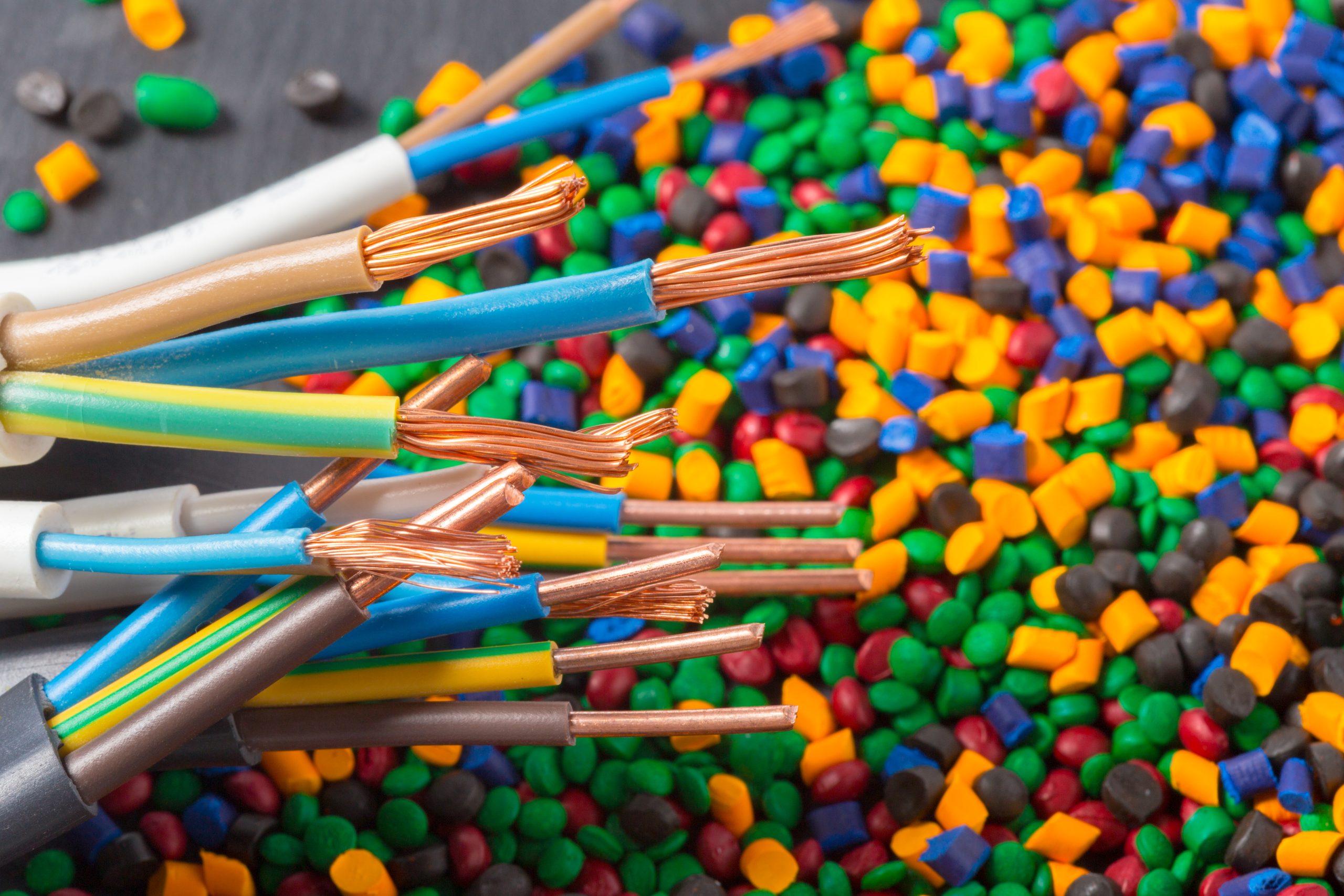
Japan low voltage cable industry is experiencing steady expansion, supported by rising investments in urban infrastructure, smart buildings, and industrial automation. The sector reached a valuation of approximately USD 4.12 billion, reflecting its importance in powering residential, commercial, and industrial applications. With an anticipated 3.8% compound annual growth rate (CAGR) through the forecast period, demand continues to increase for high-performance, flame-retardant, and energy-efficient cable solutions. The growing emphasis on sustainable construction and modernization of power distribution systems is encouraging manufacturers to develop advanced products that meet evolving safety and efficiency standards.
Market Drivers Advancing Japan Low Voltage Cable Growth
Smart Building Integration Accelerating Demand
The rapid adoption of smart building technologies across Japan is a major factor supporting industry growth. Modern commercial complexes, office spaces, and residential developments increasingly rely on automated lighting, security, HVAC, and energy management systems. These applications require reliable low voltage cabling capable of handling high data and power transmission demands. As smart infrastructure projects expand, installation volumes for specialized cables continue to rise, creating new opportunities for manufacturers and suppliers.
Industrial Modernization and Infrastructure Development
Japan’s leading industrial centers, including Kitakyushu and Tokyo, continue to invest heavily in manufacturing upgrades and infrastructure modernization. The expansion of factories, transportation facilities, and commercial developments has increased the need for durable and high-conductivity wiring solutions. Furthermore, power grid enhancement projects are creating sustained demand for low voltage cables that support efficient electricity distribution. The industry’s projected 3.8% CAGR highlights the long-term impact of these infrastructure investments on sector expansion.
Sustainability and Advanced Materials Innovation
Manufacturers are increasingly transitioning toward eco-friendly insulation materials and high-conductivity copper alloys. This shift is driven by growing environmental awareness and stricter efficiency requirements. The development of recyclable cable polymers is also helping producers align with circular economy objectives while improving product performance and durability. Such innovations are strengthening competitiveness and encouraging wider adoption across construction and industrial applications.
Government Initiatives Supporting Japan Low Voltage Cable Industry
Japan government continues to promote energy efficiency, infrastructure resilience, and environmental sustainability through various regulations and standards. Safety requirements established by the Ministry of Economy, Trade and Industry have encouraged stricter insulation and fire-resistance specifications for new construction projects. Additionally, the nation’s commitment to achieving carbon neutrality by 2050 is driving investments in recyclable materials and sustainable manufacturing processes. These initiatives are creating favorable conditions for long-term industry development.
Competitive Landscape of Japan Low Voltage Cable Sector
The industry is characterized by the presence of established manufacturers with strong technological capabilities and extensive production networks. Major participants are focusing on product innovation, sustainable material development, and manufacturing efficiency improvements to strengthen their market positions. Companies are also investing in research and development to produce advanced cabling solutions that meet evolving safety, environmental, and performance requirements. Strategic modernization initiatives are expected to intensify competition while fostering continuous technological advancement.
Challenges Impacting Japan Low Voltage Cable Industry
Rising Compliance and Production Costs
Compliance with increasingly stringent safety and environmental regulations can significantly increase operational expenses for manufacturers. Investments in upgraded production equipment, quality testing, and sustainable materials may impact profit margins, particularly for smaller producers.
Raw Material Price Volatility
The industry remains sensitive to fluctuations in the prices of key raw materials such as copper and specialized polymers. Unexpected cost variations can affect production planning, pricing strategies, and overall profitability, creating challenges for long-term business stability.
Future Outlook
The future of Japan low voltage cable industry remains positive as infrastructure modernization, industrial automation, and sustainable construction activities continue to expand. Growing demand for smart buildings, renewable energy integration, and energy-efficient electrical systems is expected to create new growth avenues. Technological advancements in insulation materials and recyclable cable components will further enhance product performance and environmental compliance. Supported by a strong manufacturing base and ongoing government sustainability initiatives, the sector is well-positioned for steady expansion in the coming years.
Consultants at Nexdigm, in their latest publication “Japan Low Voltage Cable Market to 2035,” analyze the sector By (JIS C-Standard Scope Definition, Bottom-Up National Production Aggregation, Construction Project Tender Analysis, Ministry Of Land Infrastructure Survey).
Nexdigm suggests that businesses in the Japan Low Voltage Cable Industry focus on expanding sustainable manufacturing capabilities, strengthening supply chain resilience, and aligning with evolving safety regulations. Companies should capitalize on growing demand from EV charging infrastructure, renewable energy projects, and grid modernization initiatives to drive long-term growth and competitiveness.
To take the next step, simply visit our Request a Consultation page and share your requirements with us.
Harsh Mittal
+91-8422857704