
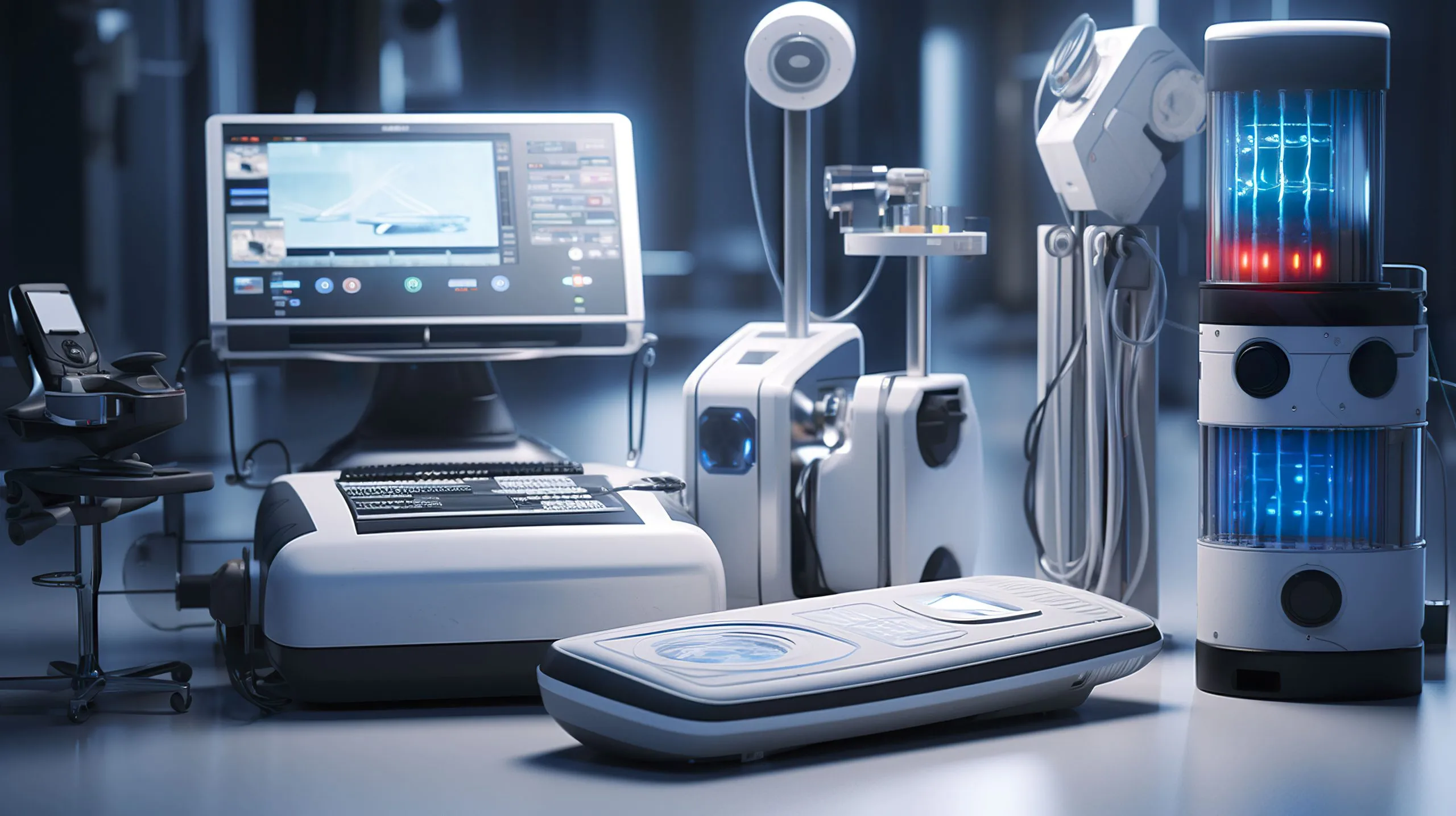
Japan has long held a unique place in global healthcare technology. It combines advanced engineering, disciplined manufacturing standards, and one of the world’s oldest populations. That combination matters. As of 2026, the country remains among the largest medical devices markets worldwide, with steady demand across hospitals, diagnostics centers, rehabilitation facilities, and home care settings. Nearly one in three residents is aged 65 or older, which places real pressure on care delivery and pushes providers to adopt smarter equipment. Unlike some markets that depend mainly on imports, Japan has strong domestic capabilities in imaging, endoscopy, laboratory systems, and precision components. At the same time, overseas suppliers still play an important role in premium implants, surgical systems, and select digital technologies. That balance between local strength and selective import reliance will likely define the market through 2035.
What’s Driving the Medical Devices Market in Japan?
Aging Population and Long-Term Care Demand
Japan’s demographic shift is not a future story – it is already reshaping healthcare purchasing decisions. Hospitals need more cardiac monitors, orthopedic implants, dialysis machines, and mobility support products because older patients typically require longer and more frequent care. Nursing homes and assisted-living operators are also buying fall-detection systems, pressure-relief beds, and rehabilitation tools. In practice, aging populations do not just raise volumes. They also change product mix. Devices that improve comfort, reduce caregiver workload, or shorten hospital stays often receive stronger interest than expensive technologies with limited day-to-day benefit.
Robotics, Automation, and Precision Medicine
Few countries are as naturally suited to medical robotics as Japan. Its industrial expertise has translated into surgical assistance systems, automated laboratory analyzers, and highly accurate imaging platforms. Large urban hospitals are gradually incorporating AI-assisted radiology tools that help prioritize scans or flag abnormalities faster. There is also a labor reality behind this trend. Japan faces workforce constraints in nursing and clinical support roles. Automation is partly a response to staffing shortages, not just a push for innovation. That distinction matters because solutions tied to operational efficiency usually gain traction faster than novelty products.
Expansion of Home Healthcare
Care is steadily moving beyond hospital walls. Portable oxygen concentrators, wearable ECG monitors, glucose sensors, remote consultation kits, and compact infusion devices are becoming more relevant as policymakers try to ease pressure on acute-care facilities. Families often prefer treatment at home when clinically appropriate, especially for elderly patients. This shift creates opportunities, though it also demands better training, maintenance support, and user-friendly design. A sophisticated device means little if patients cannot operate it comfortably.
Government-Led Initiatives Supporting Market Expansion
Japanese regulators and health authorities have taken a relatively practical approach in recent years. The Pharmaceuticals and Medical Devices Agency has worked to improve review timelines for innovative products while maintaining strict quality standards. Reimbursement reforms continue to reward technologies that reduce hospitalization time, improve outcomes, or lower labor intensity. Public support has also favored digital health, elderly care equipment, and robotics. On the ground, hospitals receiving modernization budgets often prioritize imaging upgrades, connected monitoring systems, and workflow automation rather than broad replacement of all legacy equipment.
Market Competition and Industry Landscape
Japan’s market is competitive but not chaotic. Domestic manufacturers retain strong credibility, especially where precision and reliability matter. Major names include Olympus Corporation in endoscopy, Terumo Corporation in cardiovascular products, Sysmex Corporation in laboratory systems, and Canon Medical Systems Corporation in imaging. International players remain influential in orthopedics, surgical robotics, and advanced implants. Winning in Japan often requires patience. Hospitals tend to value service quality, product consistency, and clinical evidence more than aggressive pricing alone.
Cost Pressure in a Mature Healthcare System
Japan offers reliable reimbursement coverage, but that comes with pricing discipline. Periodic reimbursement revisions can squeeze margins, particularly for standardized products. A common challenge is that premium innovation must clearly justify its added cost. If not, adoption can stall despite technical superiority. The market is also mature, which means replacing existing suppliers is harder than entering a fast-growing emerging market. Trust, service response times, and long procurement cycles all shape outcomes.
Future Outlook
Japan’s medical devices market should remain steady rather than explosive through 2035. Demand will likely center on remote monitoring, minimally invasive treatment tools, rehabilitation robotics, and products tailored to elder care. Hospitals will continue digitizing operations, though budget discipline may slow some rollouts. Exports are another bright spot. Japanese firms are well placed to sell imaging systems, diagnostics equipment, and precision devices across Asia and Europe where quality reputation carries weight.
Consultants at Nexdigm, in their latest publication “Japan Medical Devices Market Outlook to 2035”, analyzed the market by Product Type (Diagnostic Imaging Devices, Surgical Instruments, Patient Monitoring Equipment, Orthopaedic Devices, Home Healthcare Devices), By Application (Hospitals, Clinics, Elderly Care Centers, Home Healthcare, Diagnostic Laboratories), and By Distribution Channel (Direct Sales, Distributors, E-commerce Procurement, Group Purchasing Organizations). Nexdigm believes companies should focus on elder care solutions, practical automation, and dependable local partnerships to unlock durable growth in Japan.
To take the next step, simply visit our Request a Consultation page and share your requirements with us.
Harsh Mittal
+91-8422857704