
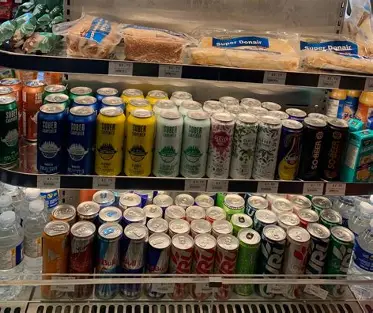
Japan’s non-alcoholic beverages sector remains one of the most sophisticated and high-value beverage markets globally, supported by a population of over 120 million consumers, strong purchasing power, and a deeply established convenience-driven retail culture. The country is recognized as the world’s third-largest non-alcoholic beverage market, with the soft drinks industry generating more than ¥5 trillion (USD 30+ billion) in annual shipment value. Ready-to-drink (RTD) tea and coffee continue to dominate consumption patterns, while bottled water, functional beverages, sports drinks, and low-sugar products are gaining popularity among health-conscious consumers. Japan also operates an extensive vending machine network of approximately 4 million units, one of the highest densities globally, supporting on-the-go beverage consumption. Growing demand for wellness-focused products, an aging population representing over 29% of total residents aged 65 and above, and increasing interest in immunity, hydration, and functional nutrition are expected to continue driving innovation and market growth across the country’s non-alcoholic beverages industry.
Key Market Drivers for Japan’s Non-Alcoholic Beverages Market
Growing Demand for Health-Focused and Functional Beverages
Japanese consumers are increasingly seeking beverages that support hydration, immunity, digestive health, energy management, and overall wellness. The country’s aging population, which exceeds 29% of total population aged 65 and above, has accelerated demand for functional drinks fortified with vitamins, minerals, probiotics, amino acids, and other health-enhancing ingredients. Zero-sugar beverages, low-calorie drinks, and functional beverages approved under Japan’s health-claims framework continue to gain popularity across all age groups.
RTD Tea and Coffee Dominance Supports Market Expansion
Japan remains one of the world’s largest markets for ready-to-drink tea and coffee products. RTD green tea, black tea, and canned coffee are deeply embedded in daily consumption habits, supported by extensive distribution through convenience stores, supermarkets, vending machines, and e-commerce platforms. The country maintains substantial production volumes across tea and coffee beverage categories, with these segments accounting for a significant proportion of non-alcoholic beverage sales. The continued introduction of premium, organic, and specialty beverage offerings is further supporting category growth.
Convenience Retail and Vending Machine Networks Drive Consumption
Japan’s highly developed retail ecosystem continues to support beverage consumption. The country operates millions of beverage vending machines alongside an extensive network of convenience stores, making beverages highly accessible throughout urban and rural areas. Convenience stores remain one of the most important sales channels for non-alcoholic beverages, while digital retail platforms are further enhancing product accessibility. The combination of convenience, product innovation, and strong brand loyalty continues to stimulate market demand.
Government Initiatives Supporting Japan’s Non-Alcoholic Beverages Market
The Japanese government continues to support the beverage industry through food innovation, sustainability, and public health initiatives. Policies encouraging healthier dietary habits have accelerated demand for low-sugar, zero-calorie, and functional beverages, while strict recycling regulations have driven adoption of eco-friendly packaging solutions. Japan maintains one of the world’s most advanced recycling systems, with PET bottle recycling rates exceeding 85%, supporting sustainability goals across the beverage value chain. Furthermore, government-backed efforts to promote digital manufacturing, resource efficiency, and food-tech innovation are helping manufacturers improve production efficiency and meet evolving consumer preferences in a market valued at more than ¥5 trillion annually.
Competitive Landscape of Japan’s Non-Alcoholic Beverages Market
Japan’s non-alcoholic beverages market is highly mature, innovation-driven, and characterized by strong consumer demand for convenience, premiumization, and health-focused products. Competition is particularly intense across RTD tea, coffee, bottled water, functional beverages, sports drinks, and low-sugar refreshment categories. The country remains the world’s third-largest non-alcoholic beverage market, supported by a consumer base of more than 120 million people and an extensive network of approximately 4 million vending machines, one of the highest densities globally. Market participants are increasingly investing in functional ingredients, immunity-support beverages, sustainable packaging, and AI-driven consumer insights to differentiate products and capture demand from health-conscious consumers. The continued growth of convenience stores, e-commerce platforms, and smart vending technologies is further strengthening competitive intensity across the Japanese beverage industry.
Major Challenges Facing Japan’s Non-Alcoholic Beverages Market
Demographic Shifts and Mature Market Conditions
Japan’s declining population and aging demographics can limit volume growth in certain beverage categories. Manufacturers must increasingly rely on premiumization, product innovation, and value-added offerings to maintain revenue growth in a mature market environment.
Rising Raw Material and Supply Chain Costs
Fluctuations in global commodity prices, energy costs, packaging materials, and transportation expenses continue to challenge beverage manufacturers. Maintaining affordability while investing in innovation and sustainability remains a key industry concern.
Future Outlook
Japan’s Non-Alcoholic Beverages Market is expected to maintain steady growth through 2035, supported by strong demand for functional beverages, premium ready-to-drink (RTD) products, and health-focused refreshment options. As the world’s third-largest non-alcoholic beverage market, with annual shipment values exceeding ¥5 trillion, the industry will continue benefiting from a consumer base of over 120 million people and one of the world’s largest vending machine networks, comprising approximately 4 million units. Growing demand from Japan’s aging population, which accounts for over 29% of residents aged 65 and above, is expected to accelerate consumption of wellness, hydration, immunity-support, and low-sugar beverages. Additionally, innovations in sustainable packaging, functional ingredients, and smart retail channels will continue to drive premiumization and long-term market expansion.
Consultants at Nexdigm, in their latest publication “Japan Non-Alcoholic Beverages Market Outlook to 2035,” analyse the sector By Beverage Category (Green Tea, Oolong Tea and Barley tea), By Packing Format (PET Bottles and Aluminum Cans) and By Distribution Channel Convenience Stores, Vending Machines and Supermarkets).
Nexdigm suggests that businesses in Japan’s Non-Alcoholic Beverages Industry prioritize functional beverage innovation, low-sugar and wellness-focused product development, sustainable packaging solutions, and premium ready-to-drink offerings to capitalize on the country’s position as the world’s third-largest non-alcoholic beverage market, strong RTD tea and coffee consumption, and growing consumer demand for health-conscious and convenience-driven beverage products.
To take the next step, simply visit our Request a Consultation page and share your requirements with us.
Harsh Mittal
+91-8422857704